Mauser Kar 98K

Precisión en estado puro
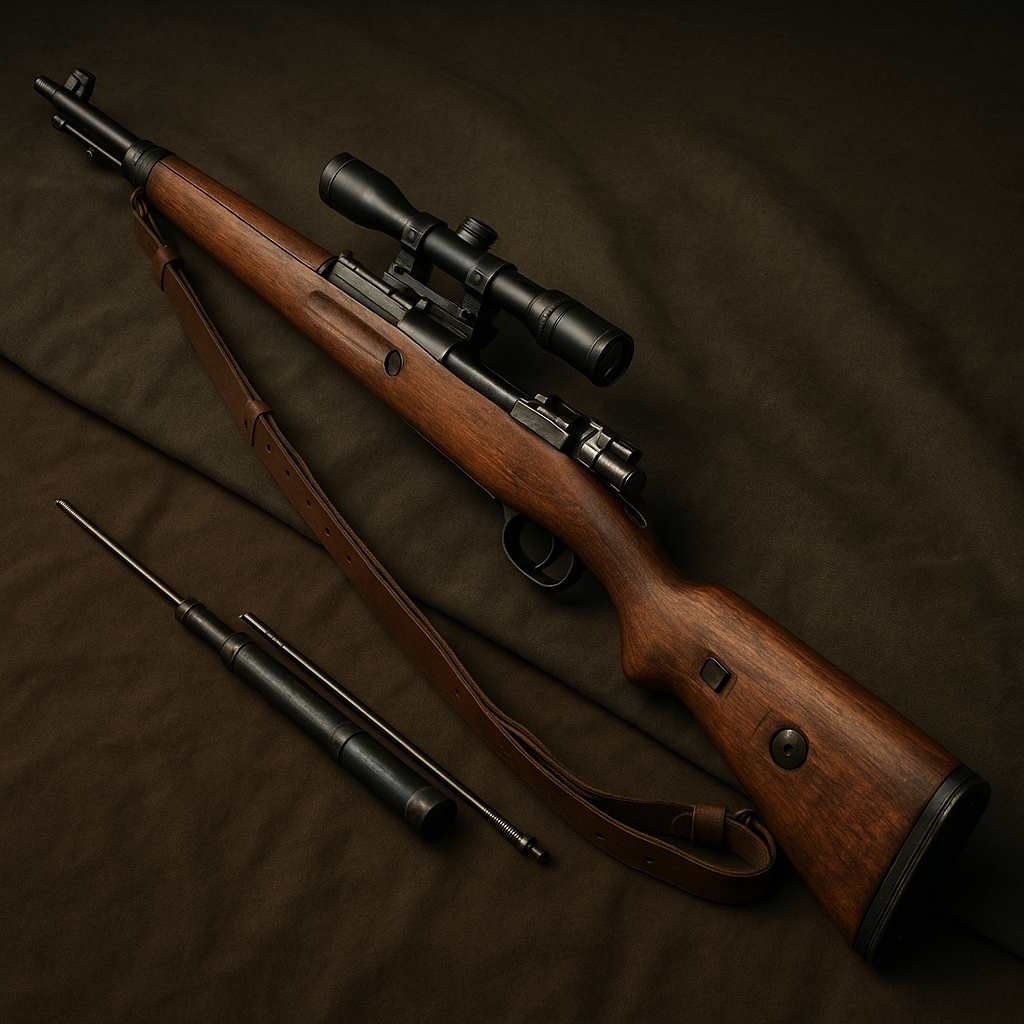
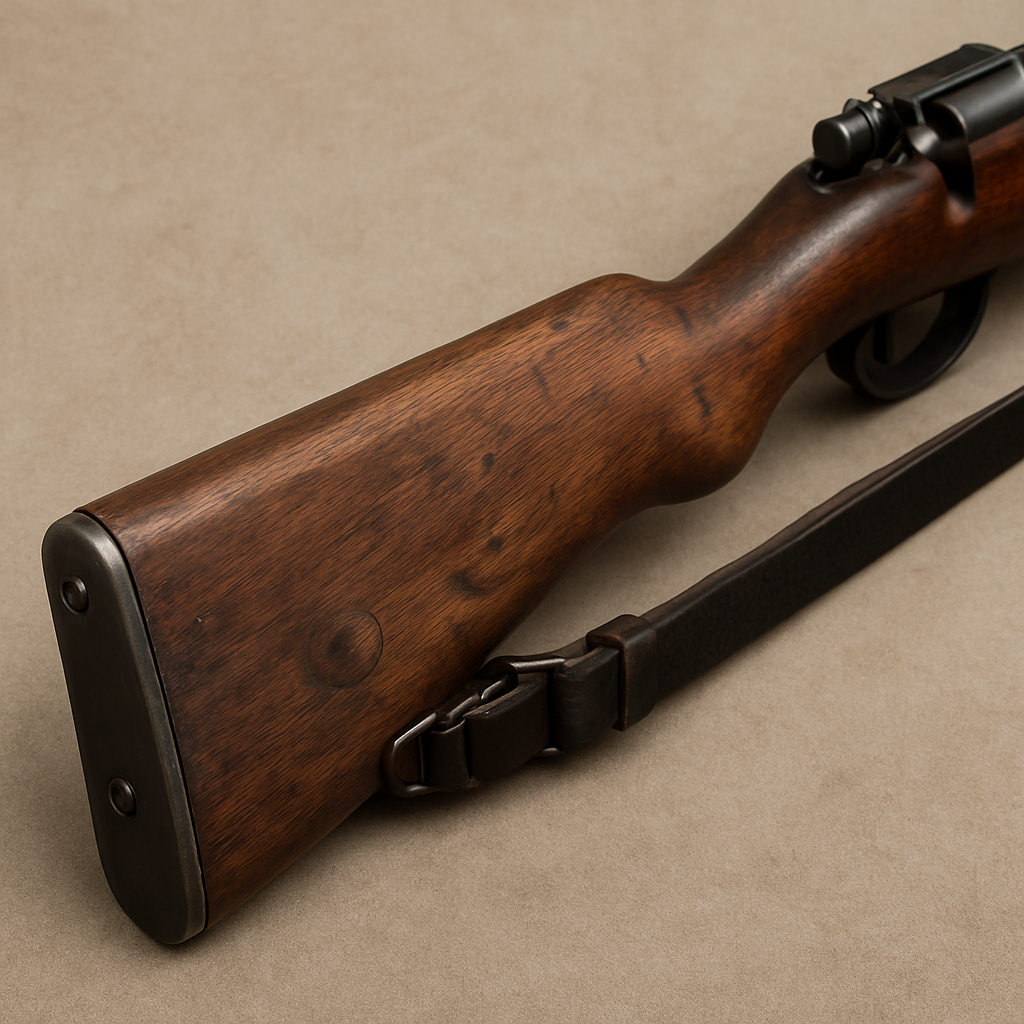
Designed in 1934 and adopted by the German army the following year, the Karabiner 98 kurz, better known as the Mauser Kar 98k, was the standard infantry rifle throughout World War II. A direct descendant of the Gewehr 98, this bolt-action rifle represented the culmination of a long German armament tradition, combining robustness, accuracy, and mechanical efficiency.
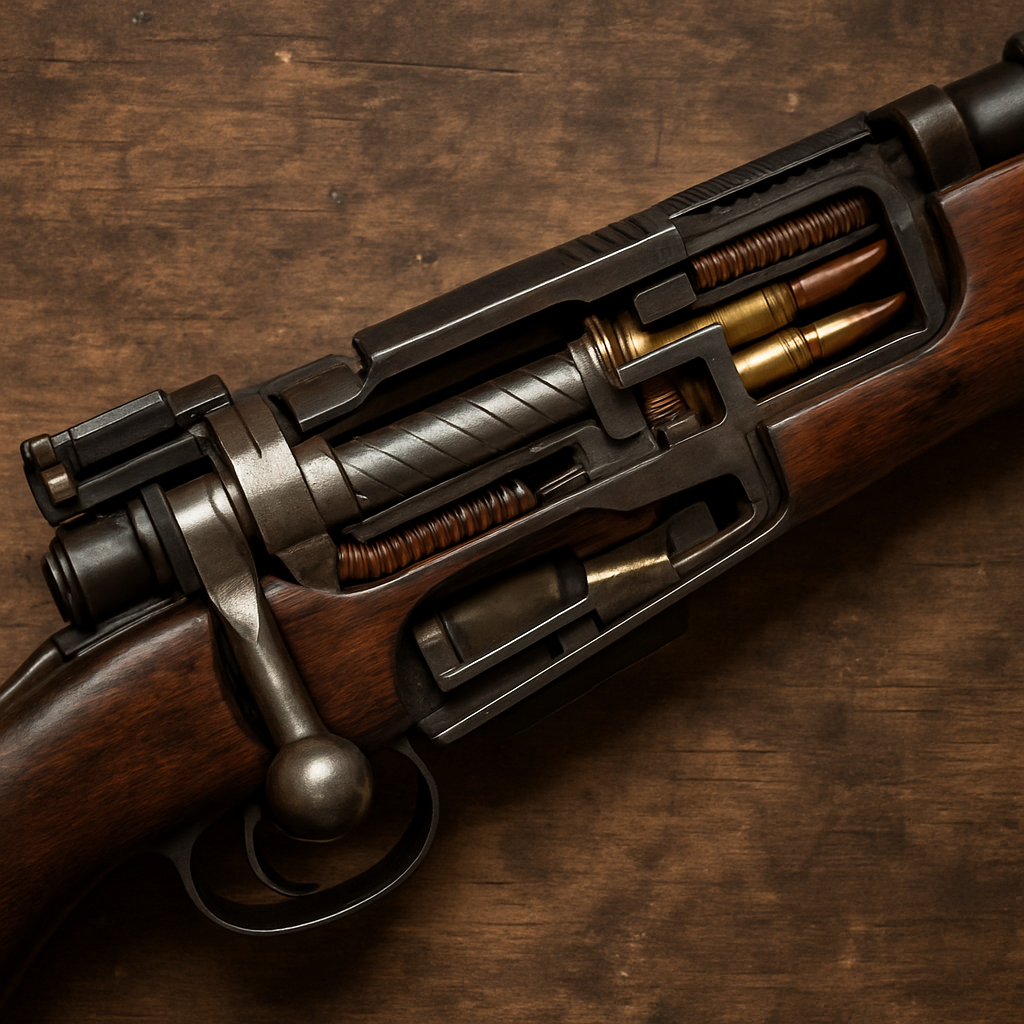
Compact, reliable, and adaptable, the Kar 98k was used on every front of the conflict. Its design allowed for the integration of telescopic sights, bayonets, or grenade launchers, and its five-round stripper clip system remained effective even against more modern semi-automatic weapons. Starting in 1944, the Kar 98k began to be produced with laminated wood instead of walnut, not for aesthetics but to save resources and speed up production during the Reich’s crisis. Despite the arrival of the Sturmgewehr 44, the Kar 98k remained in active service until the end of the war.
Over the years, this rifle moved from the trenches of the Third Reich to the arsenals of half of Europe, to the battlefields of the Middle East, and even to the civil wars of the 20th century. Today, it is considered not only a collector’s item but also one of the best-designed bolt-action rifles in modern military history.
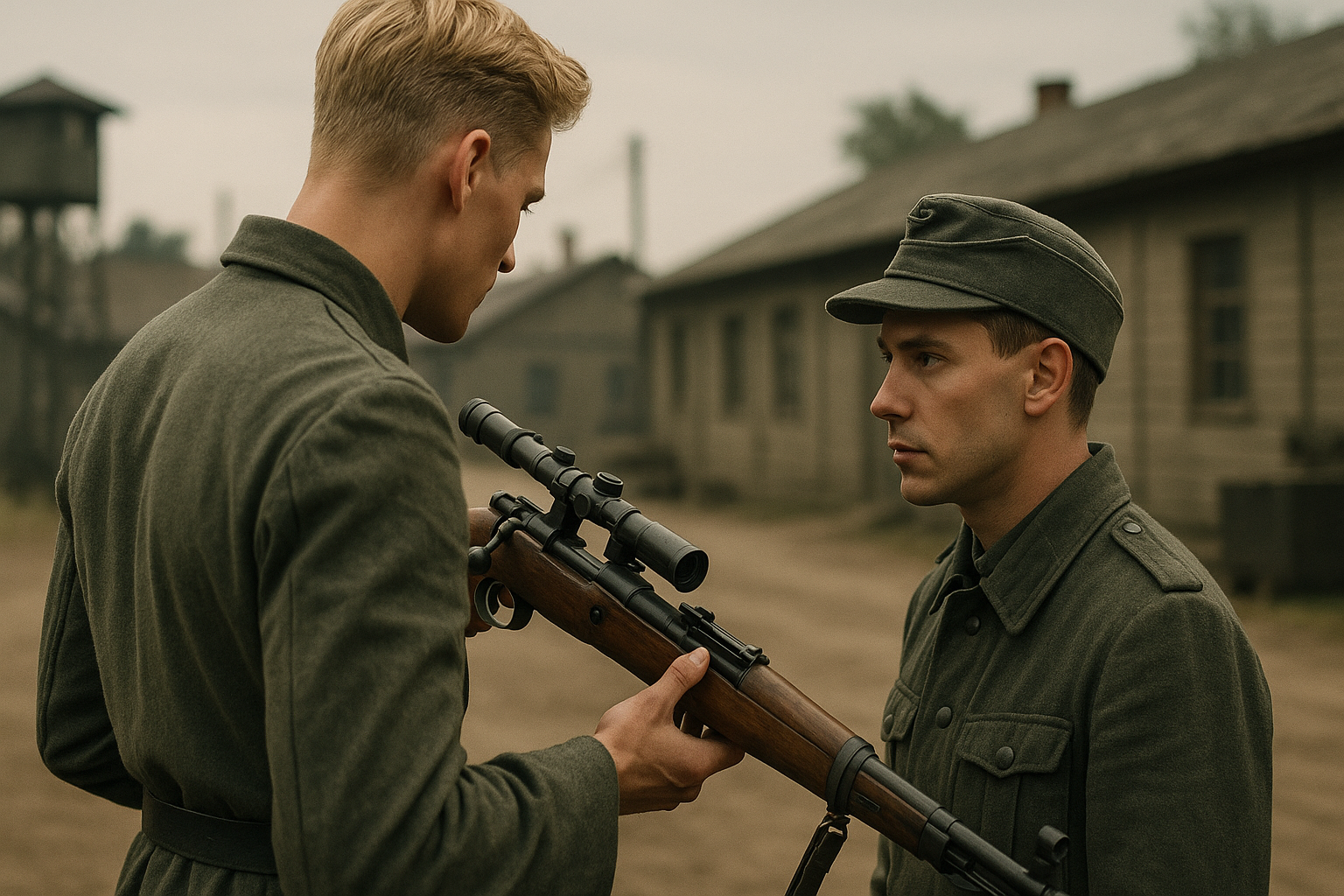
Like many weapons that accompanied their owners through years of campaigning, it was common for soldiers to give their Kar 98k personal names, forging an almost intimate relationship with them. After all, it was not just a rifle, but a fragment of certainty amid chaos. Erich Erich knew this well. His was named Gordon.
Hillersleben (Upper Saxony)
Chapter 5
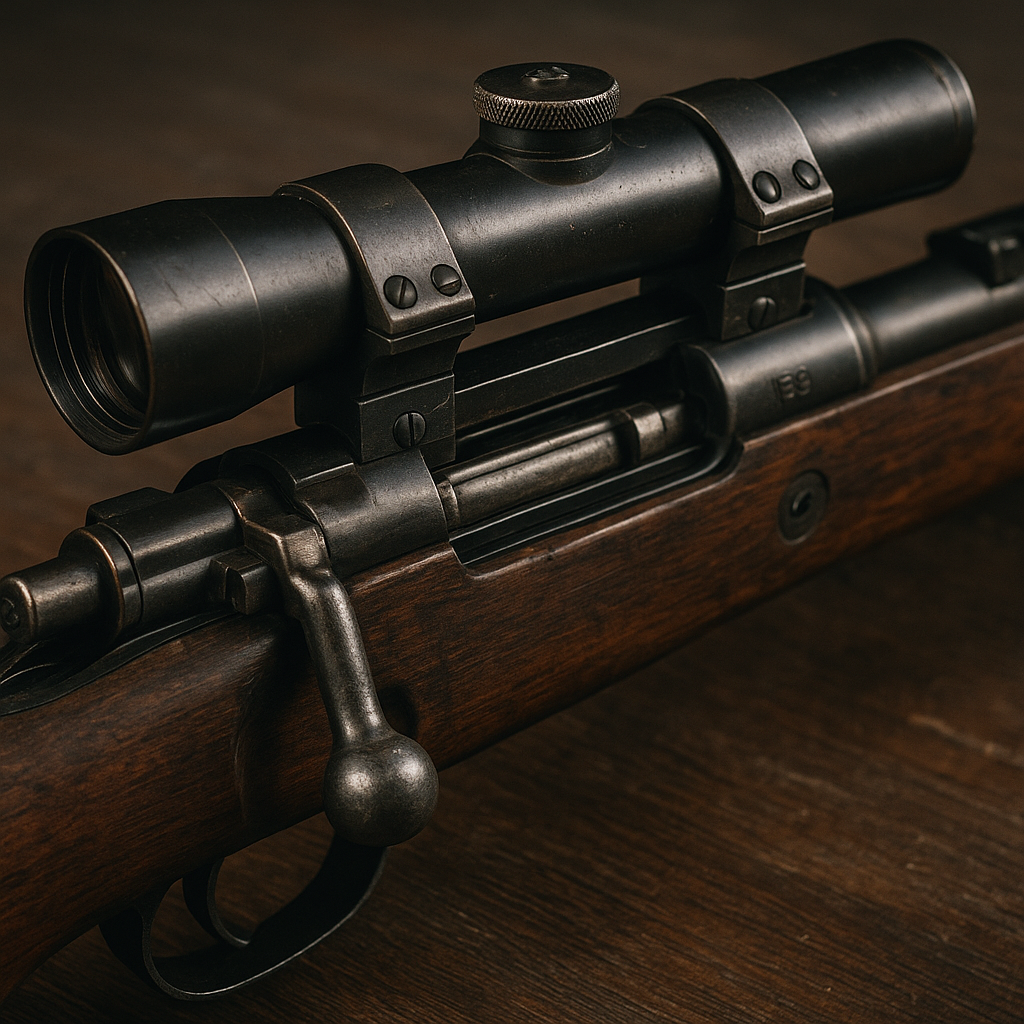
…—Not anymore. As for my hole-making machine, its name is Gordon, I never part from it. It’s a modified Mauser Kar 98k with a Zeiss ZF42 six-power telescopic sight. I’ve got a sure target at nine hundred meters’ distance —he replied proudly…
Did you know…?
🔹Some German soldiers used to keep the same Kar 98k rifle for years, to the point of being able to disassemble and reassemble it from memory—even in the dark—as part of their daily routine. Beneath the buttplate, many would carve small personal messages or their initials, either as a secret form of identification or out of superstition.

 EN
EN  ES
ES  FR
FR