The freeman

What Was a freedman in the 1st Century?
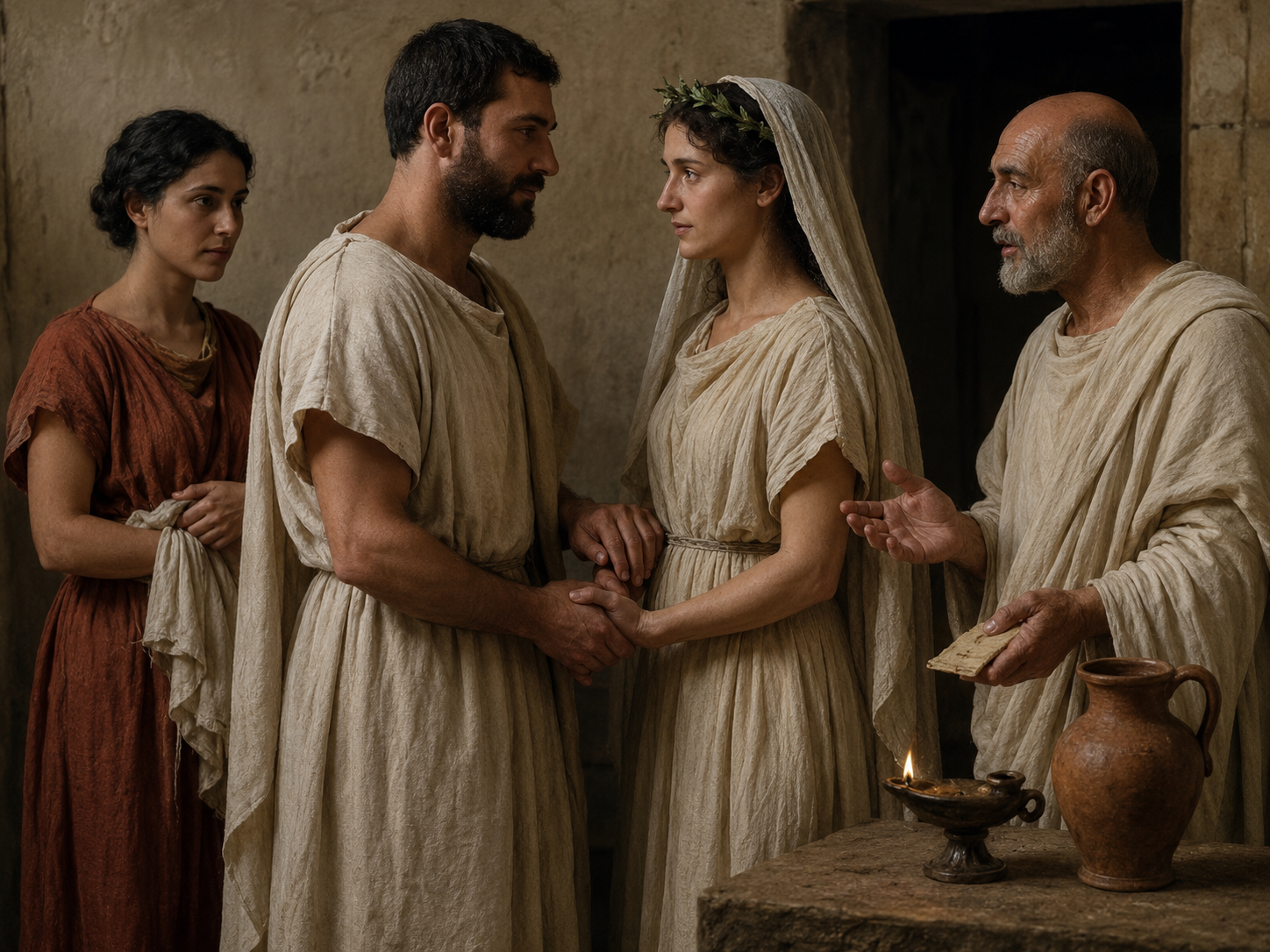
During the Roman Imperial era, a freedman (libertus) was a slave who had been manumitted (legally freed by his master). This condition distinguished him from a freeborn man, who possessed all civic rights from birth.
Around 15% of the Empire’s population was composed of freedmen, a significant proportion that highlights the active role former slaves played within Roman society.
🏛️ What Rights Did a Freedman Have?
A freedman was not a full citizen, but he did acquire Roman citizenship in general terms. Still:
- He could not hold public office or vote.
- His descendants could not either, at least for two or three generations.
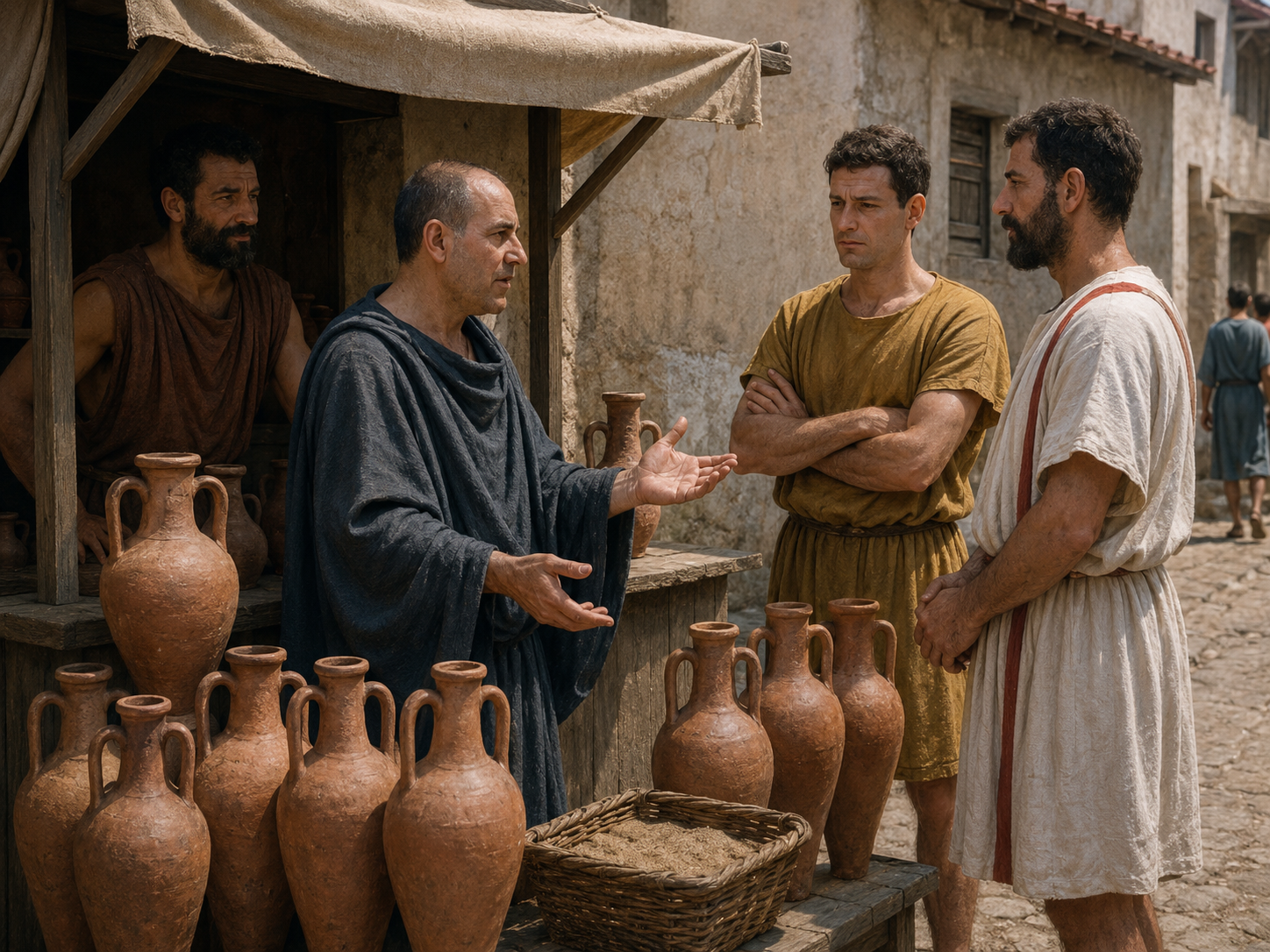
- He retained legal obligations toward his former master (patronus).
Among them:
- He could not sue or accuse him publicly.
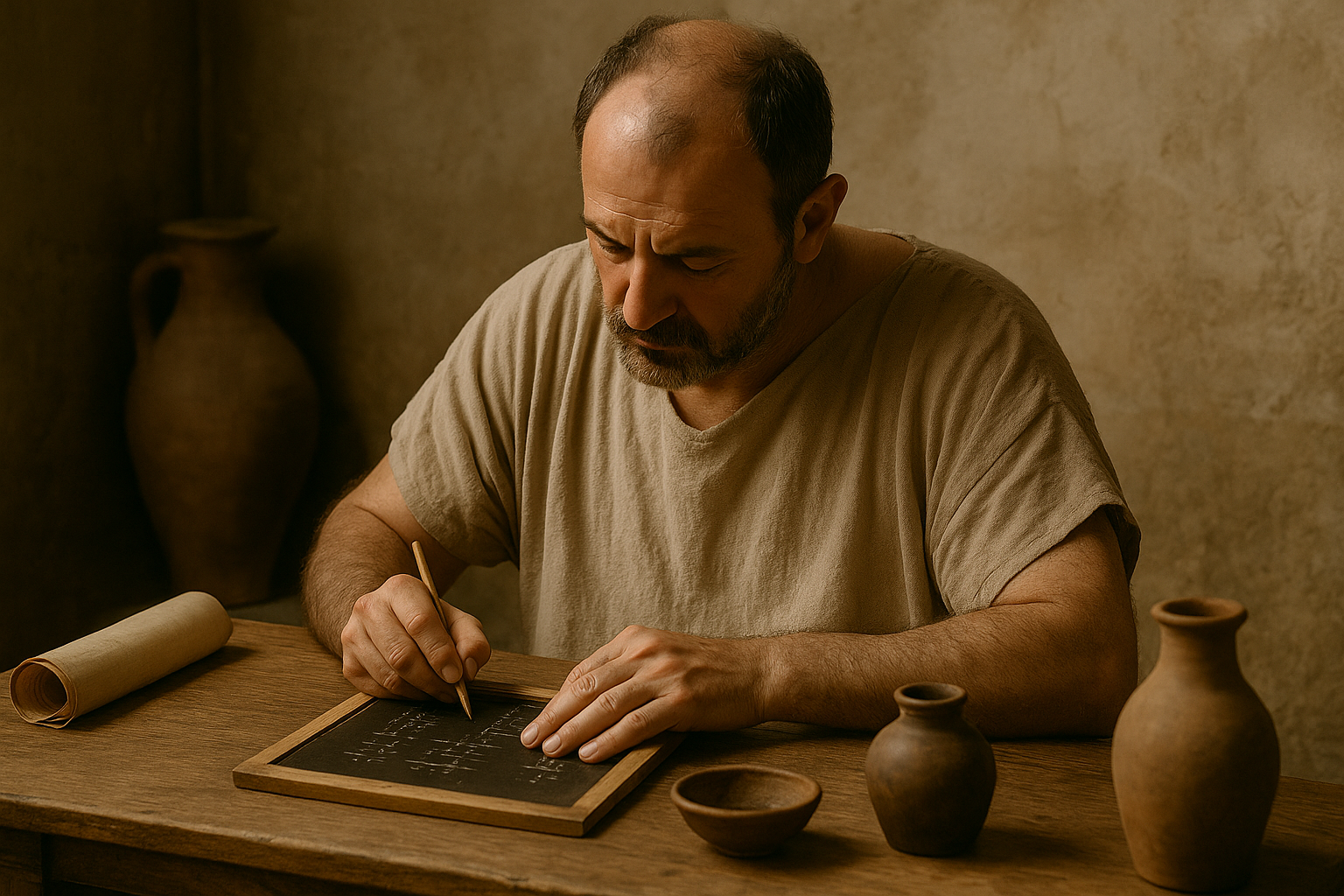
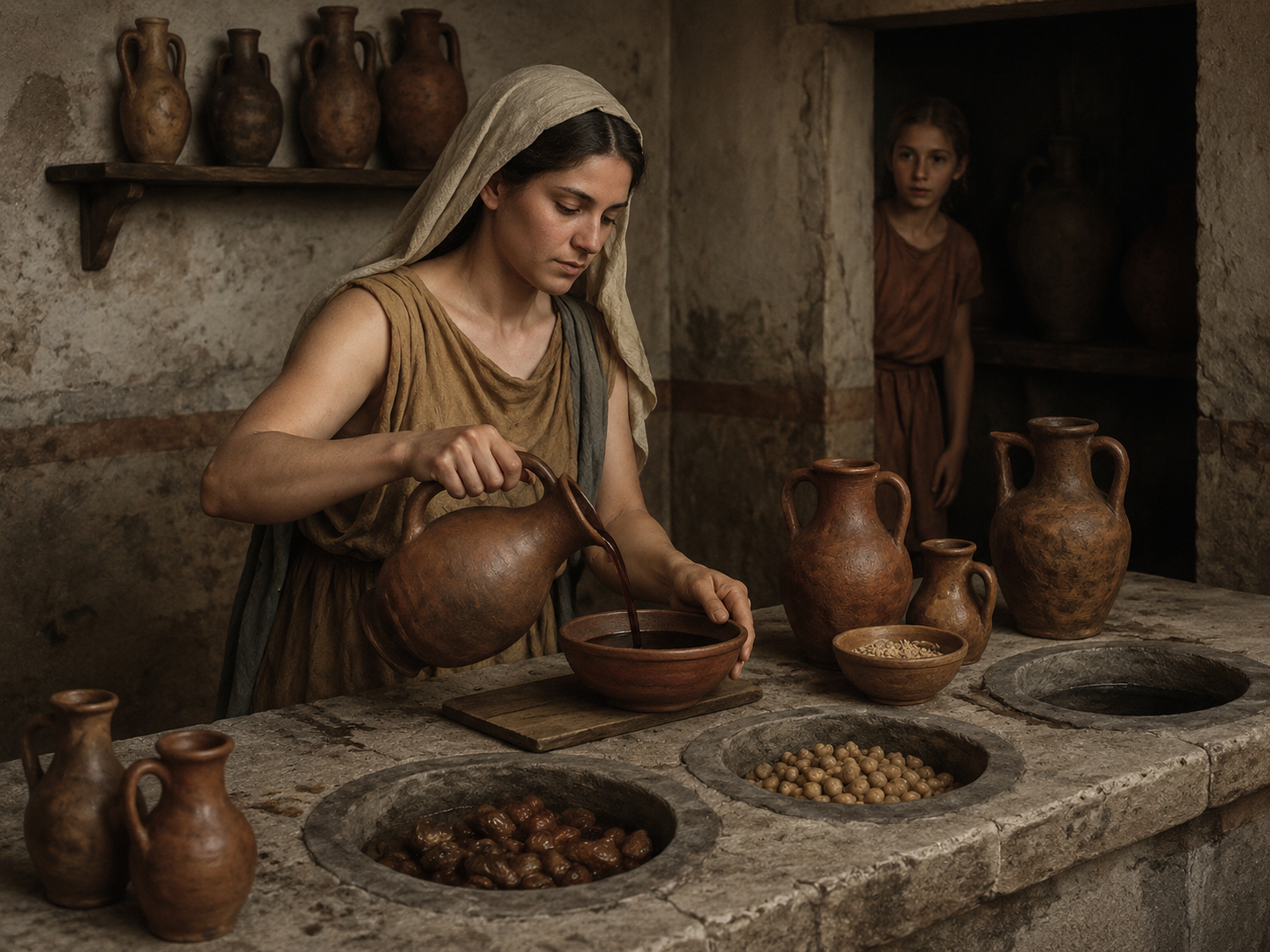
- He was required to provide simple services (operae ordinariae) or specialized services (operae fabriles), depending on his skills.
What Was Life Like After Freedom?
The freedman remained tied to the family of his former master, and could:
- Continue living in his household as an employee, or…
- Receive a small property to begin an independent life.
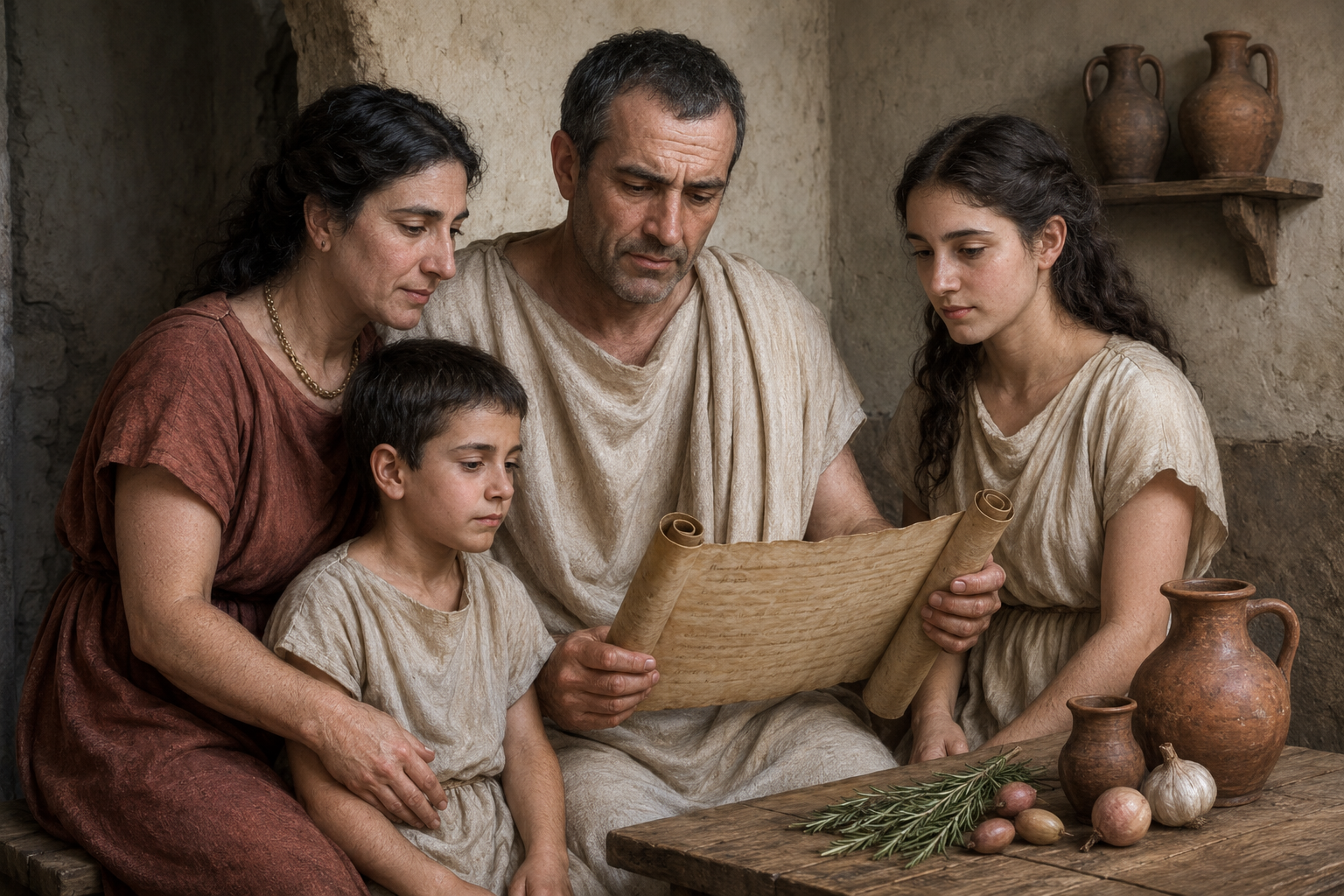
If the former master died without heirs, the freedman could inherit his goods. But the reverse was not true: the master could not transfer rights over the freedman to his children. This relationship was personal and non-hereditary.
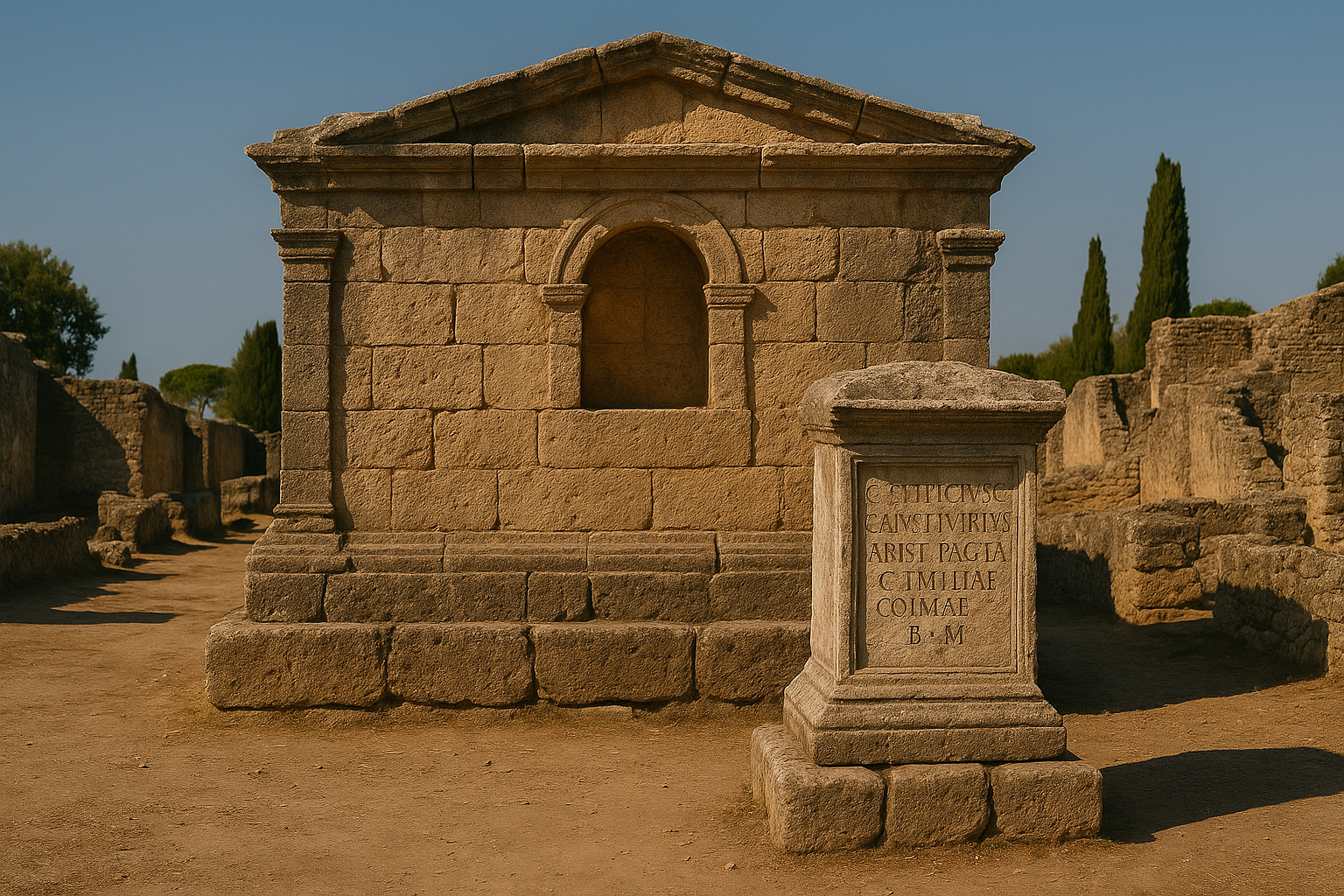
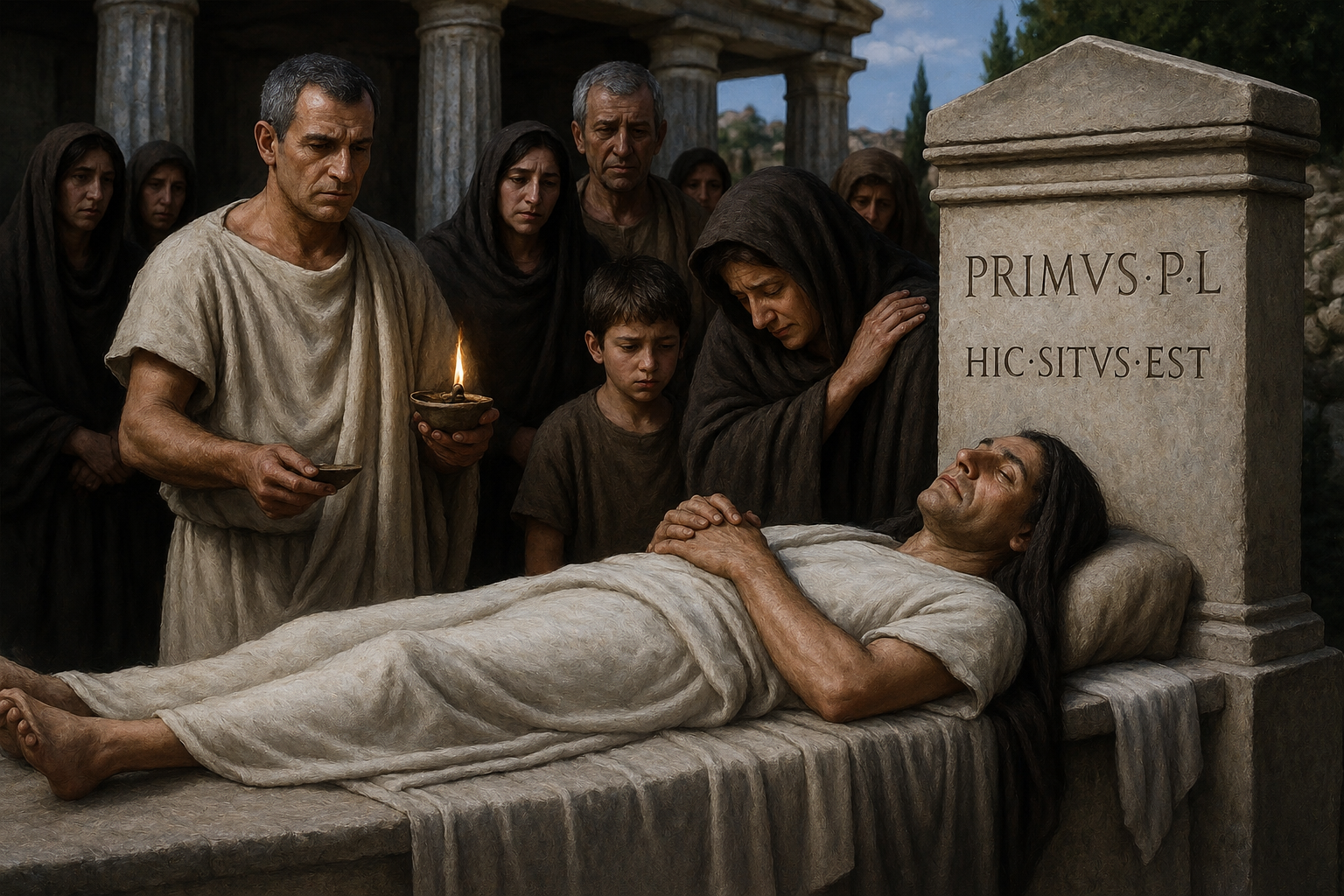
It was also common for freedmen to take the surname of their patronus, since they had no nomen of their own. For this reason, many freedmen appear in funerary inscriptions with names derived from their former owner.
October 13, 78 A.D.
Chapter 25
…Henke searched through his memories.
—Well… aside from her clothing…, her hair…, the sound of her voice…
He deflated as he spoke.
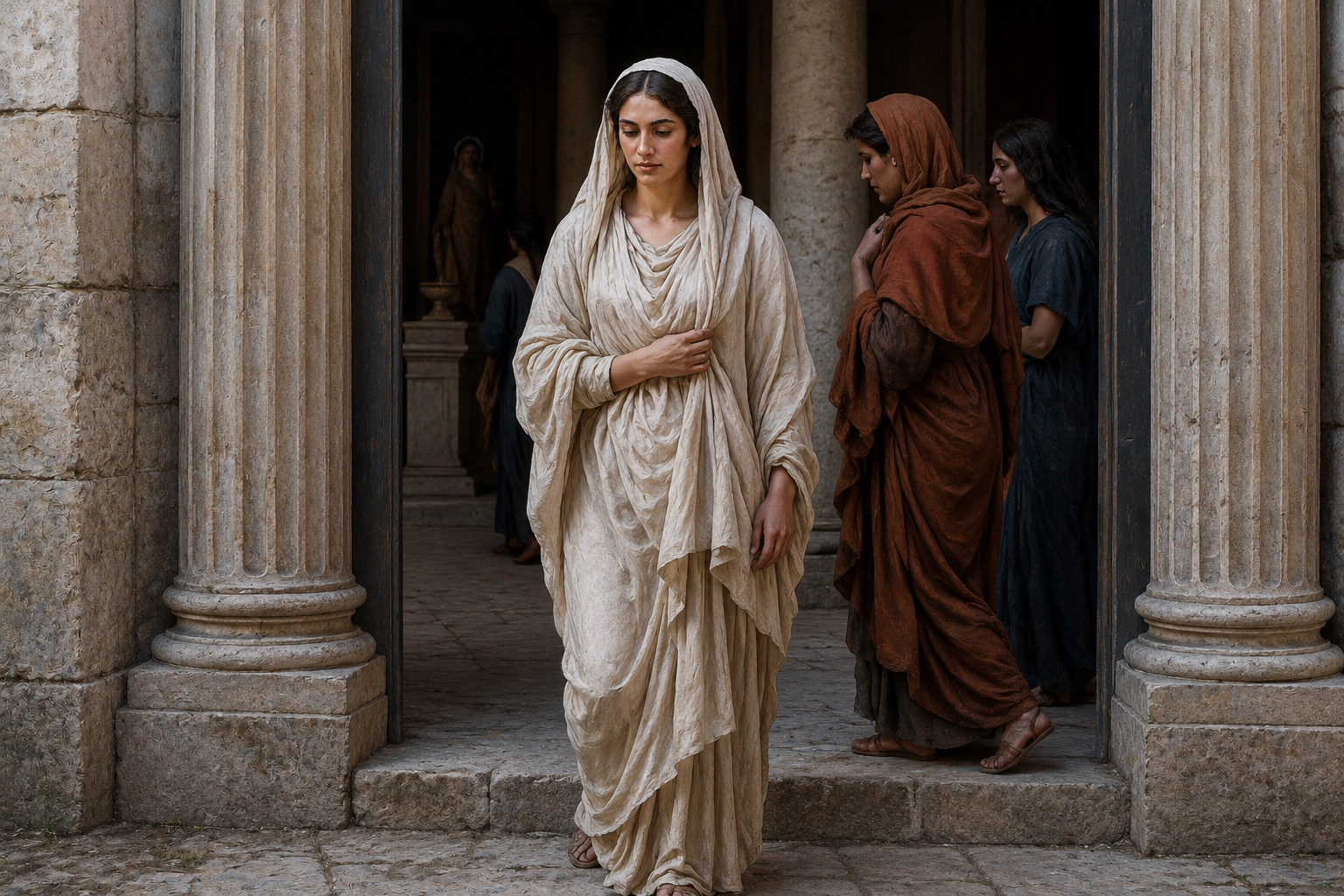
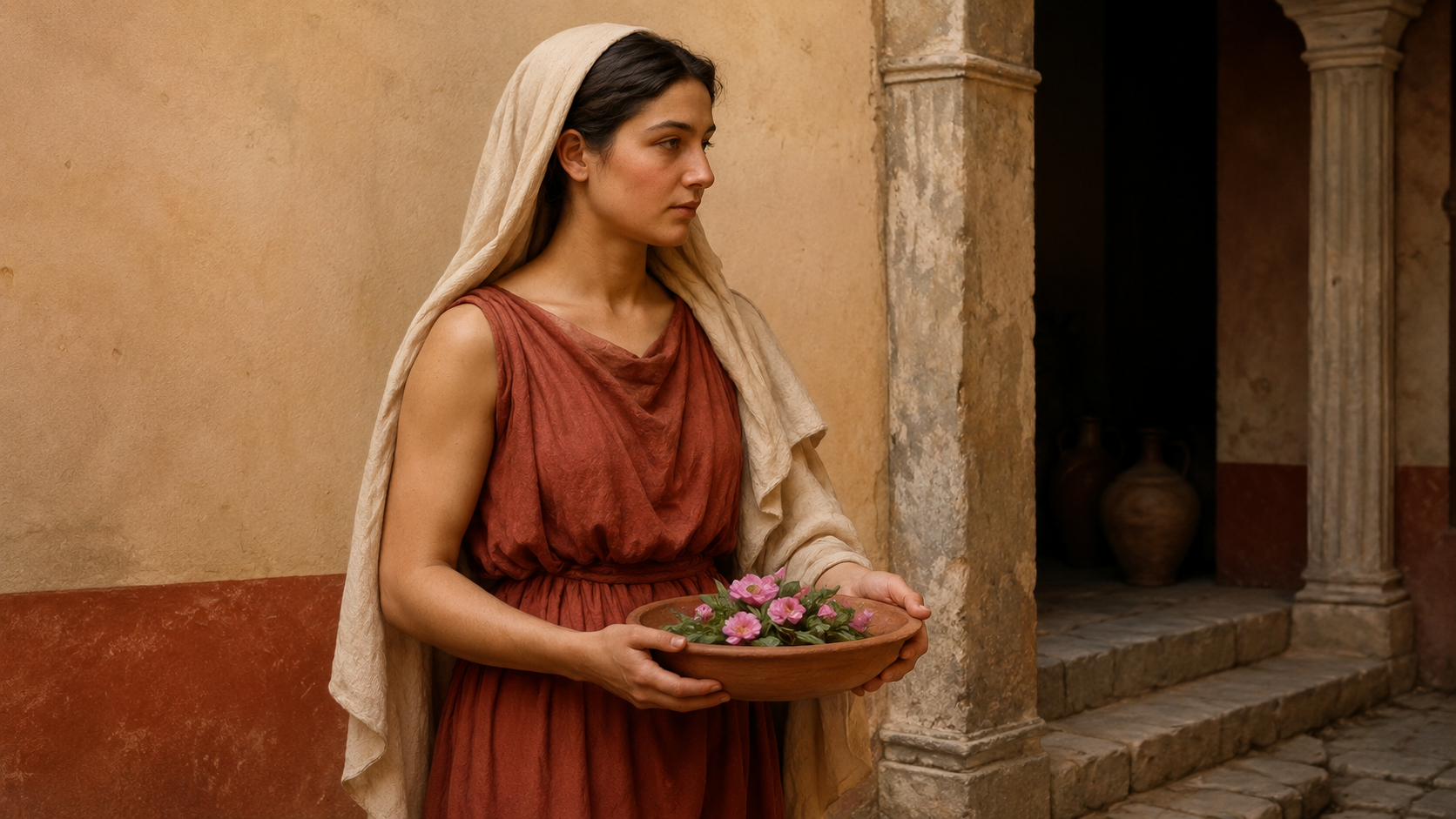
—I’m sorry to disappoint you, but it was a freedwoman bringing you a message from Cornelius Batiatus…
Did you know…?
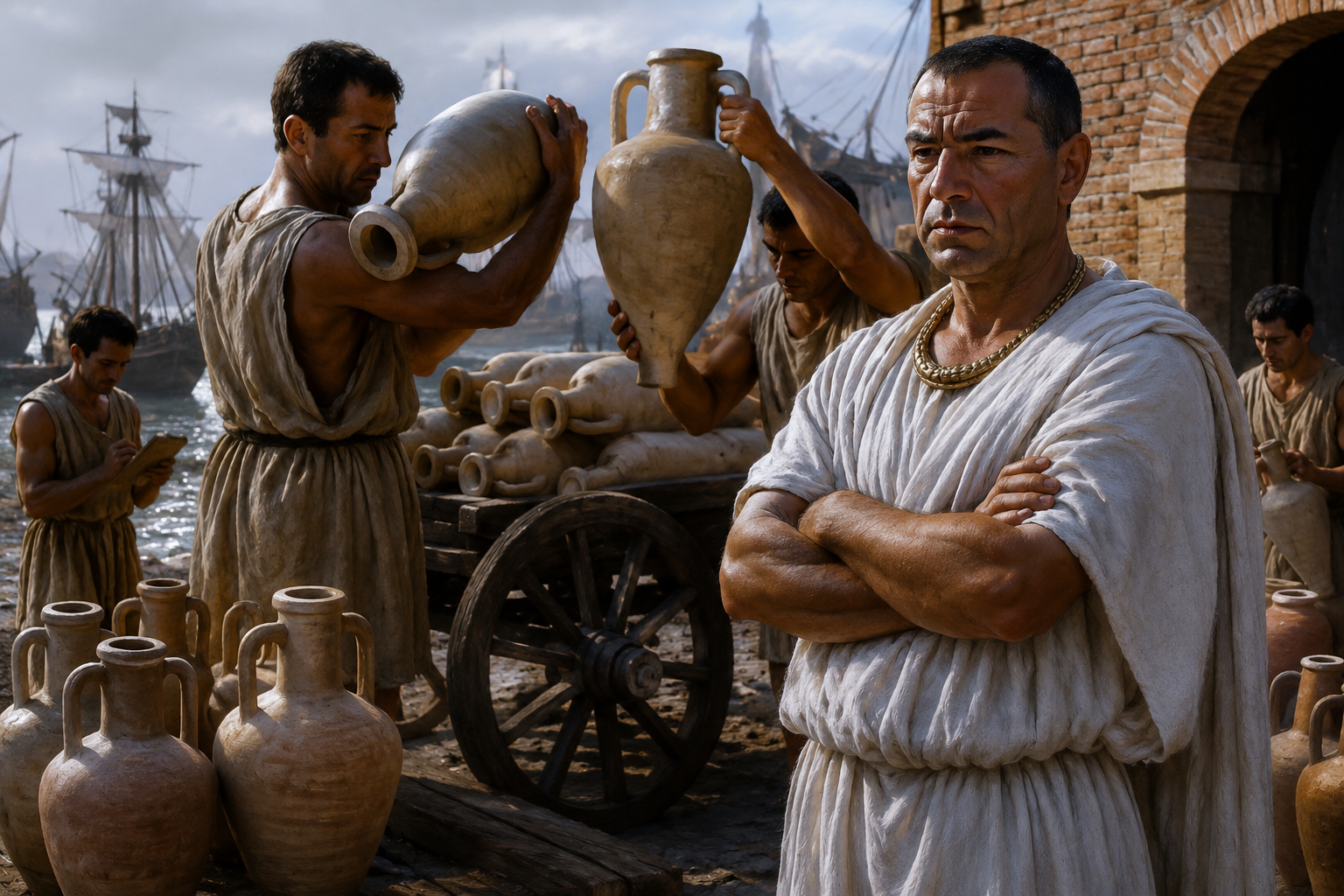
🔹 Many freedmen ended up becoming wealthy and influential figures. Some even financed public buildings, theaters, or temples, leaving their names inscribed as benefactors.
🔹 What very few people know is that freedmen could own slaves of their own, and many did. In other words, a former slave could legally become a master, reproducing the very same system from which he had been freed.
This social cycle remains one of the most fascinating paradoxes of the Roman world.

 EN
EN  ES
ES  FR
FR