Pompeii

La ciudad suspendida en el tiempo
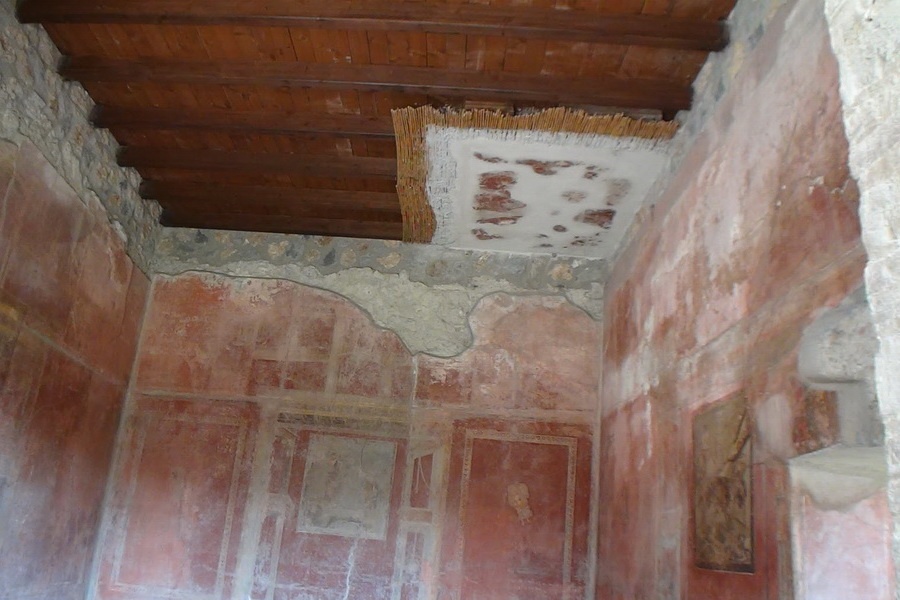
Pompeii was a vibrant center of trade, culture, and sophistication. Founded in the 9th century BC, its strategic location between the sea and the Appian Way made it an essential hub for southern Italy, connecting the Roman Empire with the rest of the Mediterranean. During the 1st century AD it was one of the most prosperous and refined enclaves, inhabited by wealthy merchants, aristocratic families, and an educated middle class. Its luxurious houses with lavish frescoes, gardened courtyards, and private fountains reflected the splendor of an advanced civilization.
But the fate of Pompeii would change tragically. In AD 62, a devastating earthquake destroyed much of the city, also damaging Herculaneum and Stabiae. Although reconstruction had barely begun, the catastrophe that struck the city was only the prelude to an even greater disaster.
On August 24 of AD 79, Mount Vesuvius erupted, burying Pompeii under a cloud of ash, pumice, and burning gases. In a matter of hours, the city was frozen in time, immortalized in the ash that covered it.
Emperor Titus Flavius upon learning of the magnitude of the tragedy, organized a rapid response: he sent troops, coordinated the rescue of survivors, and allocated state funds to mitigate the damage. This gesture, one of the first documented examples of imperial aid after a natural disaster, was marked in history.
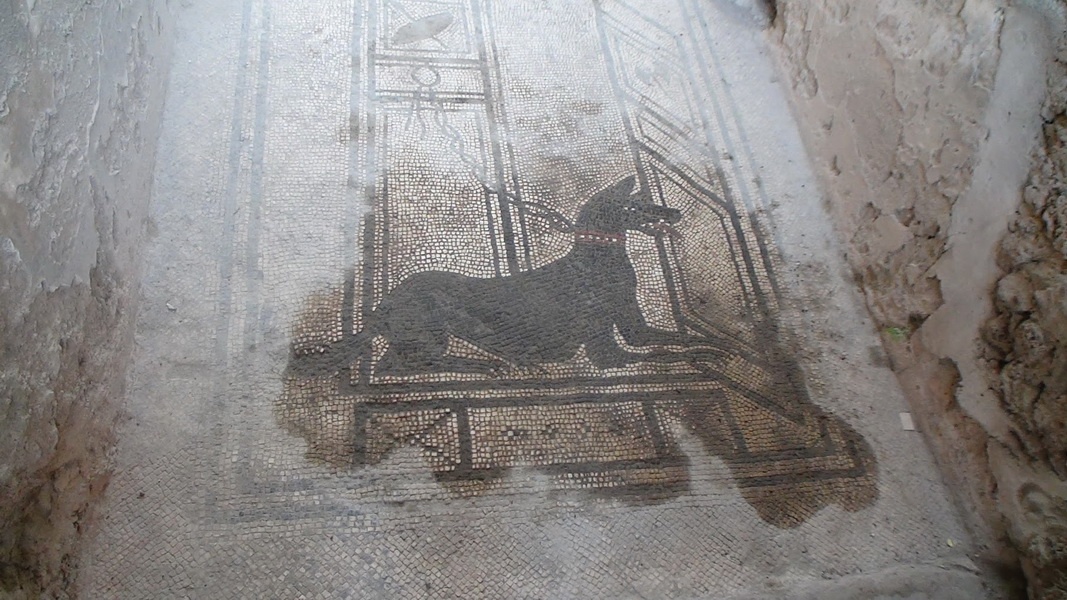
Hoy, al caminar por Pompeii, se recorre una ciudad suspendida en el tiempo. Las casas, los frescos, los foros y hasta los cuerpos petrificados siguen allí, contando la historia de una vida interrumpida por la furia de la naturaleza. Las fotos que acompañan este texto reflejan la experiencia de este lugar: un viaje en el que cada calle y cada piedra conectan con el esplendor de un mundo perdido, pero aún presente en cada rincón.
Pompeii
Chapter 22
…—Comforts? Just yesterday, a couple of hours before dinner, Gretel and I went sightseeing in downtown Pompeii, and I can assure you these people know very well what comfort is…
Did you know…?
🔹Además de Pompeii, la erupción del Vesubio en el año 79 d.C. destruyó o sepultó completamente otras ciudades y pueblos cercanos. Estos son los principales lugares que se conocen que fueron afectados por la furia del volcán:
- Pompeii
- Herculaneum
- Stabiae
- Oplontis
- Boscoreale
- Terzigno
- Torre Annunziata
- Ciciliano
- Nuceria
- Massa Lubrense
- Papia
- Abellinum
- Capua
- Cumae
- Acerrae
- Neapolis
- Puteoli
- Vicus Equensis
The eruption of Vesuvius devastated many of these cities, with Pompeii and Herculaneum being the most documented, leaving a permanent mark in history. Capua, Cumae, Naples, Pozzuoli, and Vico Equense were damaged but not destroyed.







 EN
EN  ES
ES  FR
FR