Silva Urbem

El Foro Romano de Lahnau-Waldgirmes
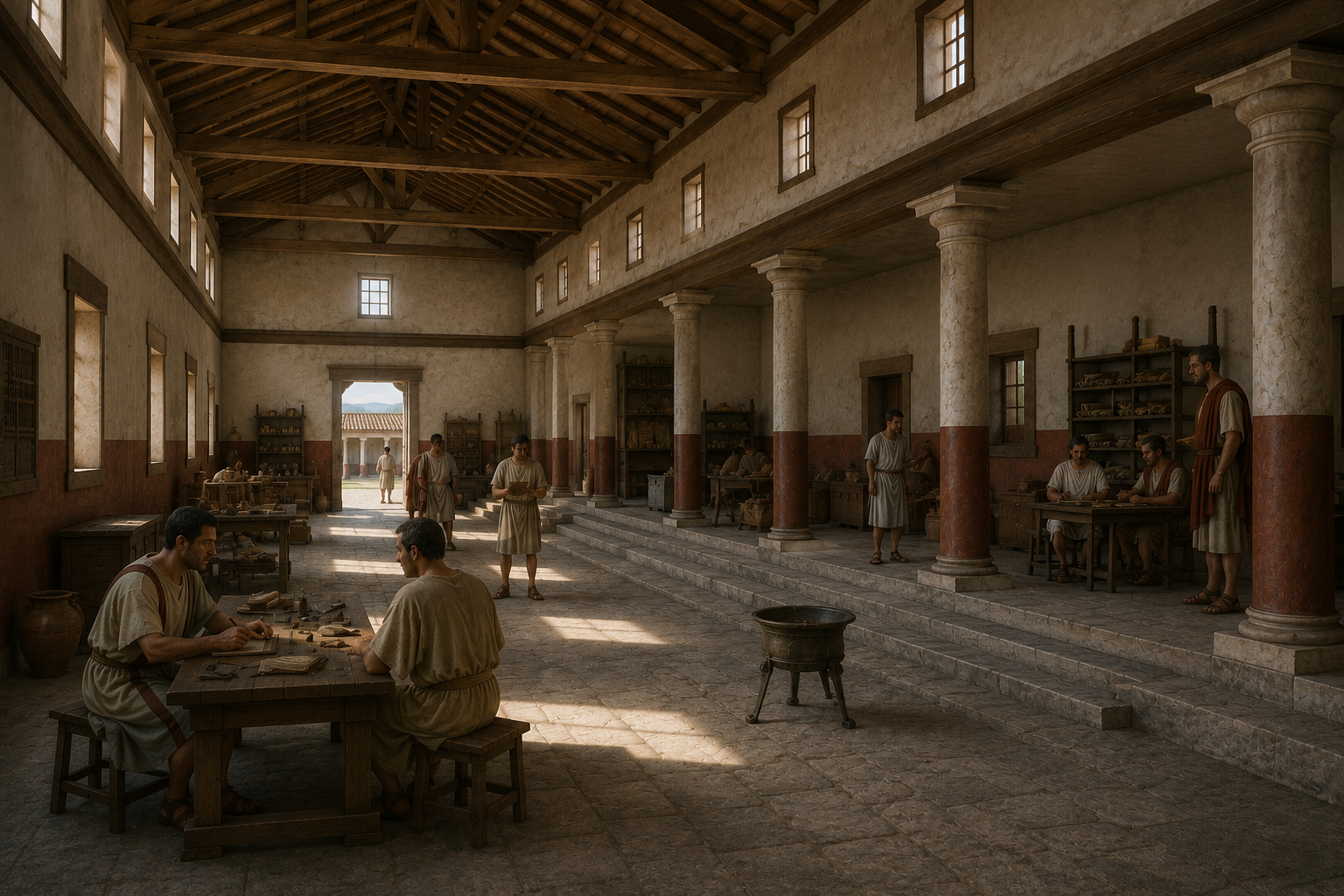
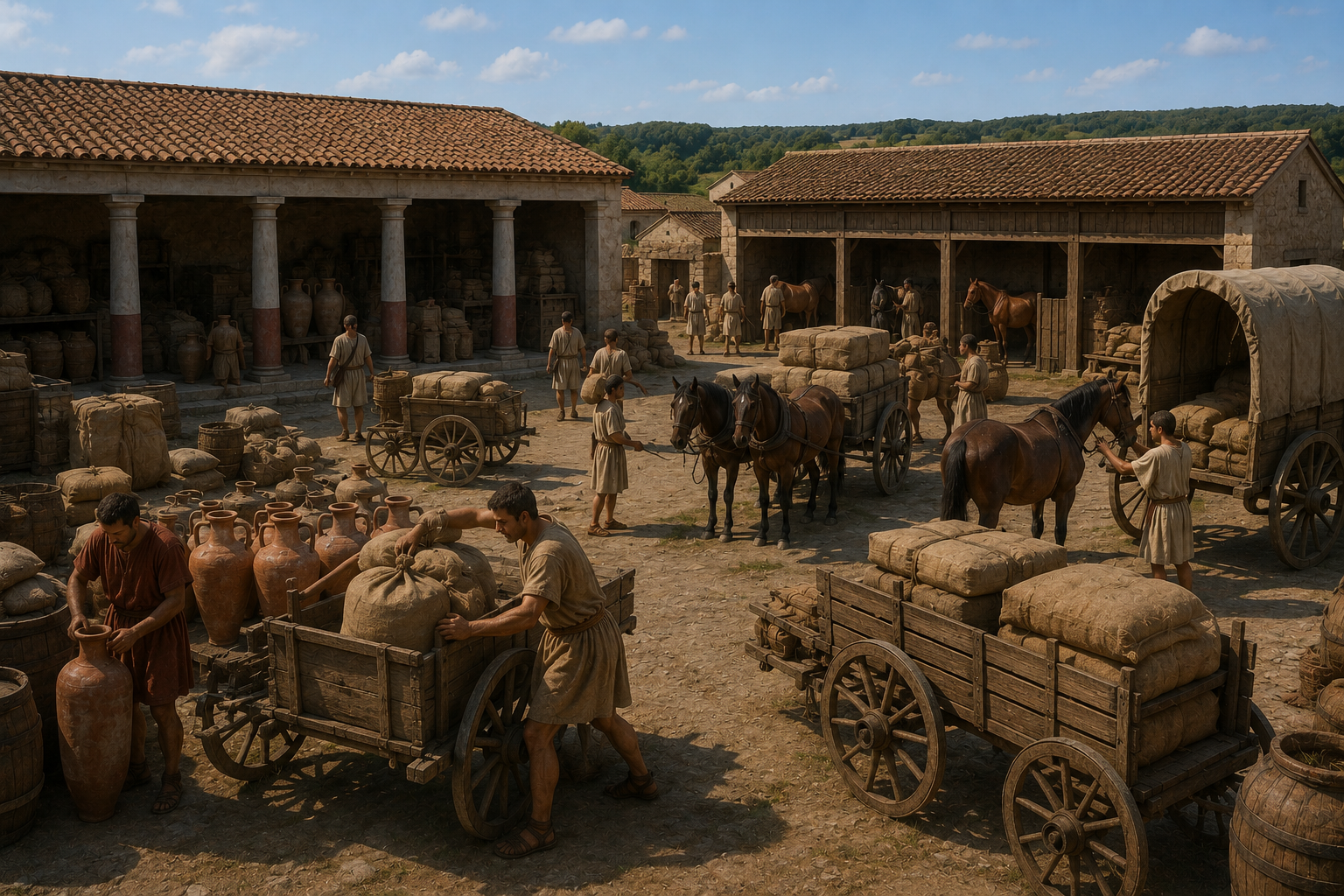
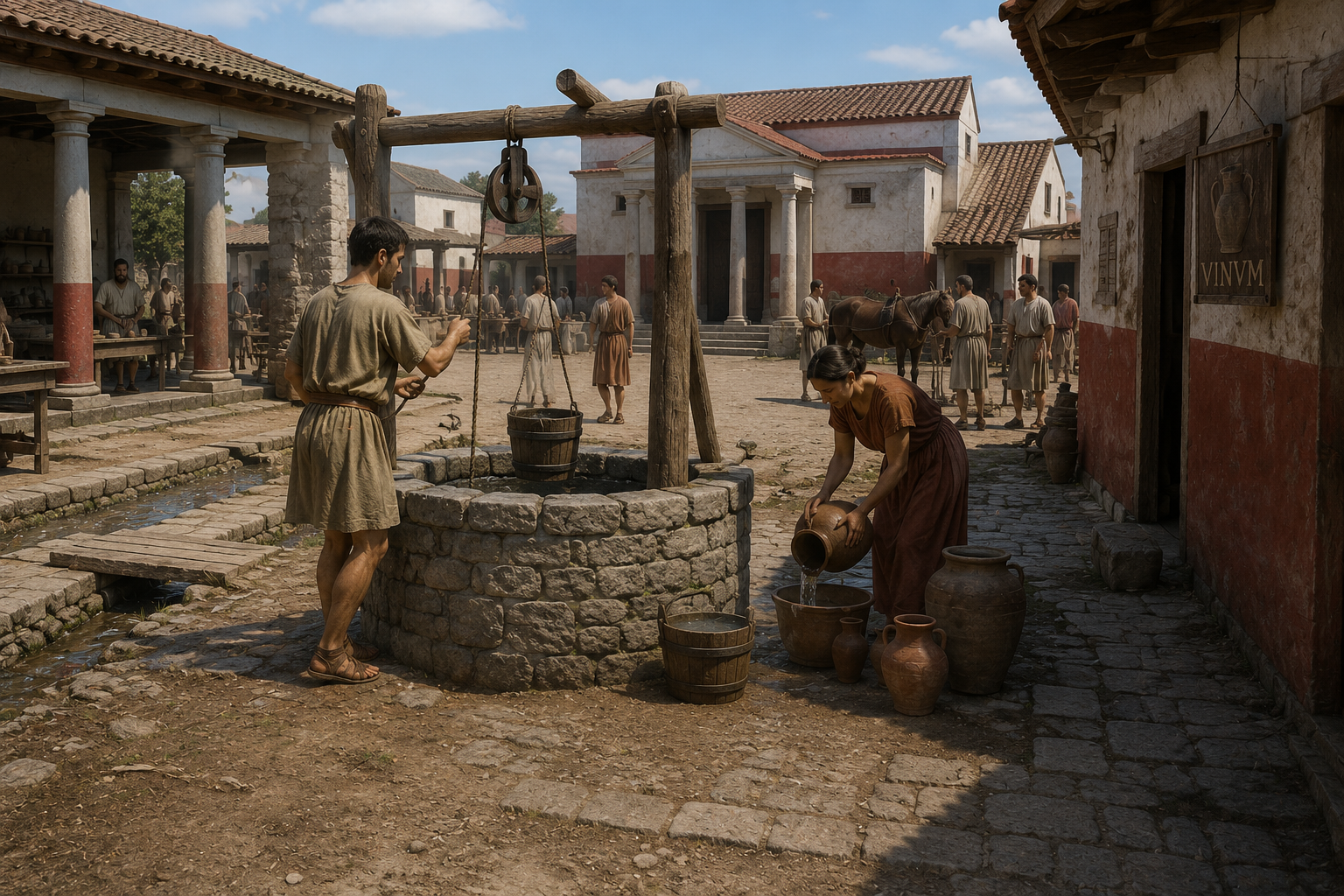
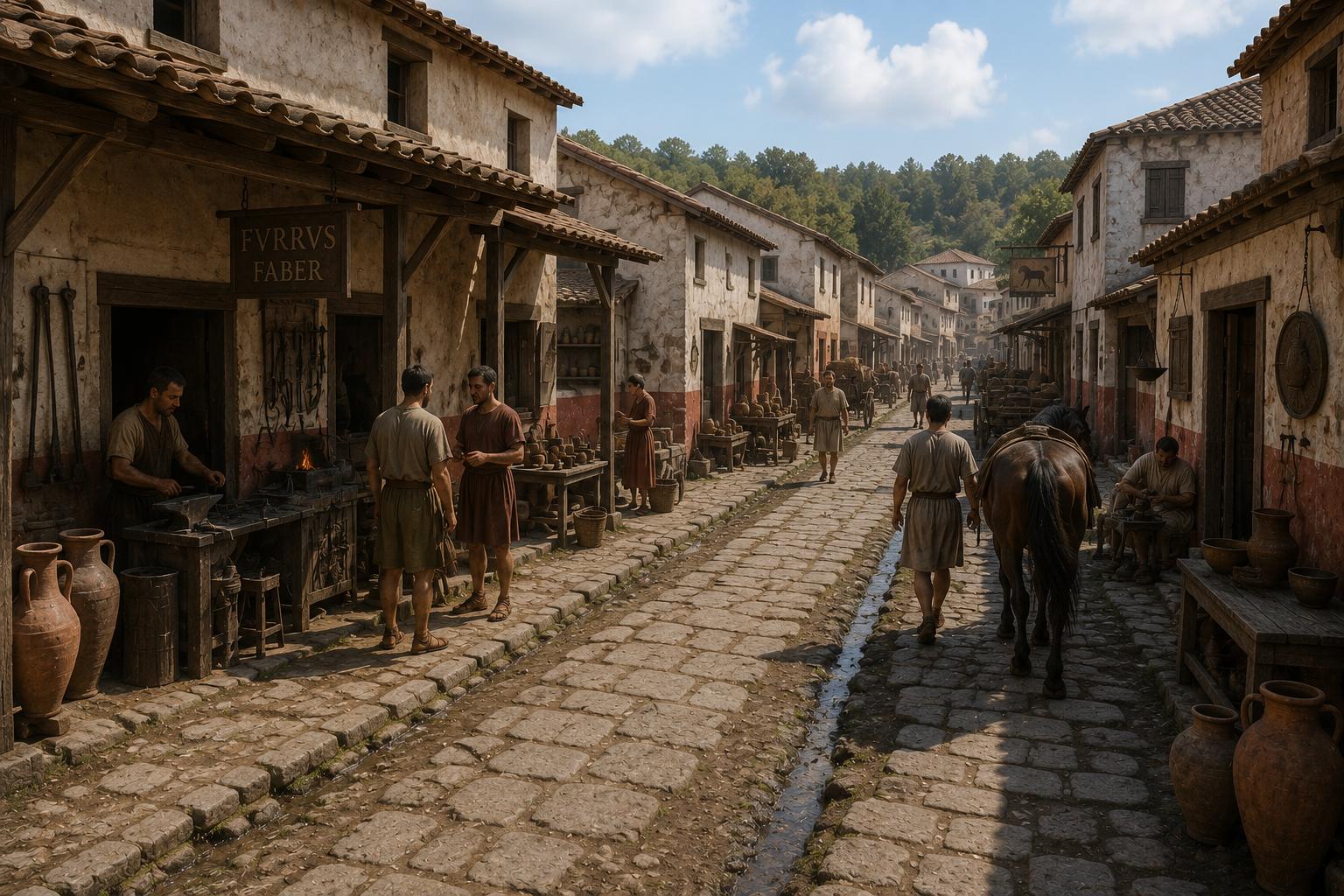
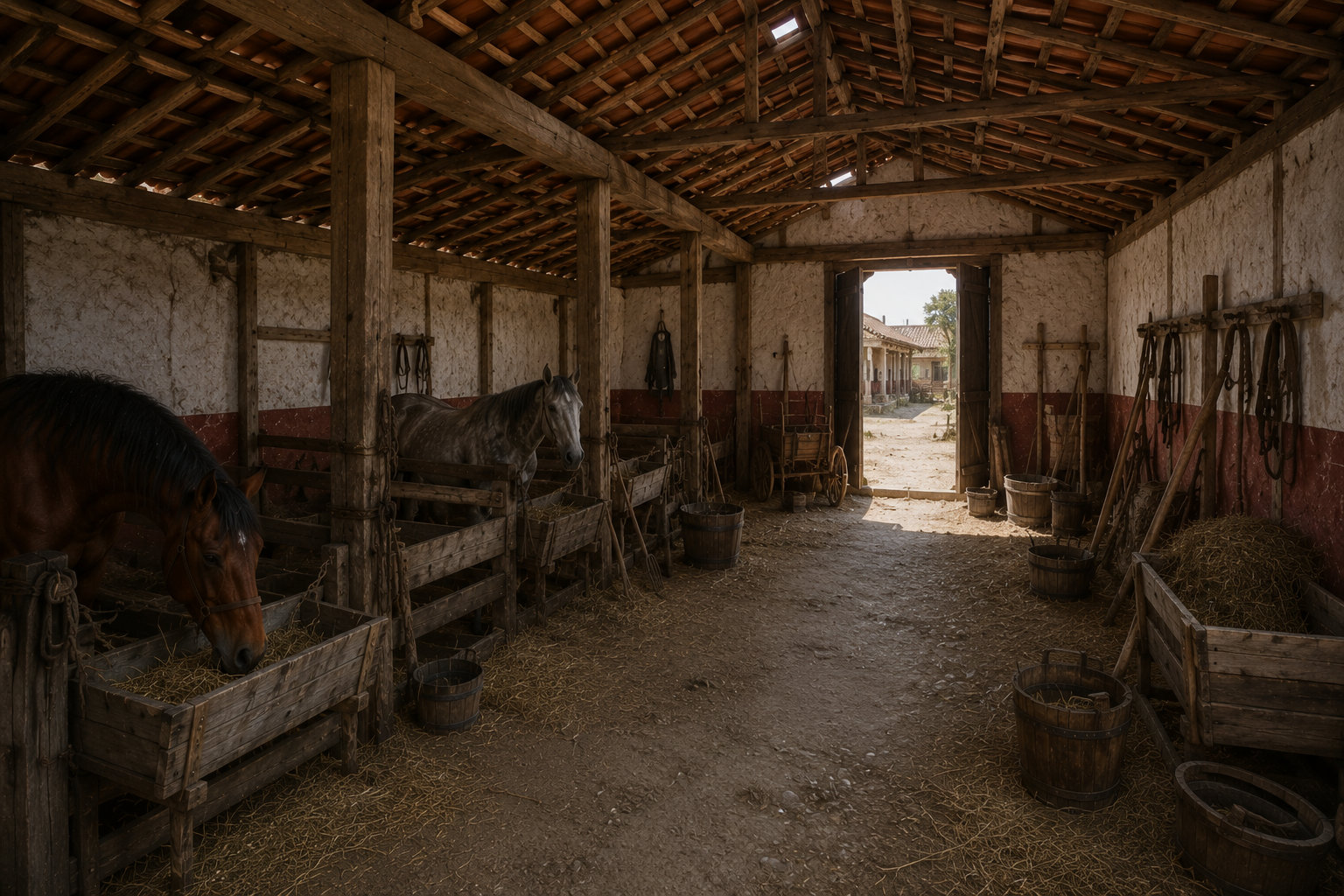
Known in German as Römisches Forum Lahnau-Waldgirmes, this settlement was built by the army of Emperor Augustus as part of his ambitious plan to occupy and Romanize the region of Germania Magna. It was a commercial center, designed as an urban nucleus to consolidate Roman presence in Germanic lands. Although it was never completed, it represents a unique testimony of the attempt to found a Roman city beyond the Rhine in the heart of barbarian territory.
The complex was located near the river Lahn, where centuries earlier the Germanic tribe of the Tencteri had lived, settled on the river’s northern bank. Its location was about 100 km from Koblenz and only 53 km from the present-day city of Frankfurt am Main in the federal state of Hesse.
The foundation of this colony dates to 5 BC, and all evidence indicates it was suddenly abandoned in AD 9, coinciding with the Roman defeat at the Battle of the Teutoburg Forest. Indeed, the site preserves the oldest stone buildings discovered to date in all of Germania Magna. The coins and architectural remains found confirm its brief occupation and sudden abandonment after Rome’s military failure in the region.
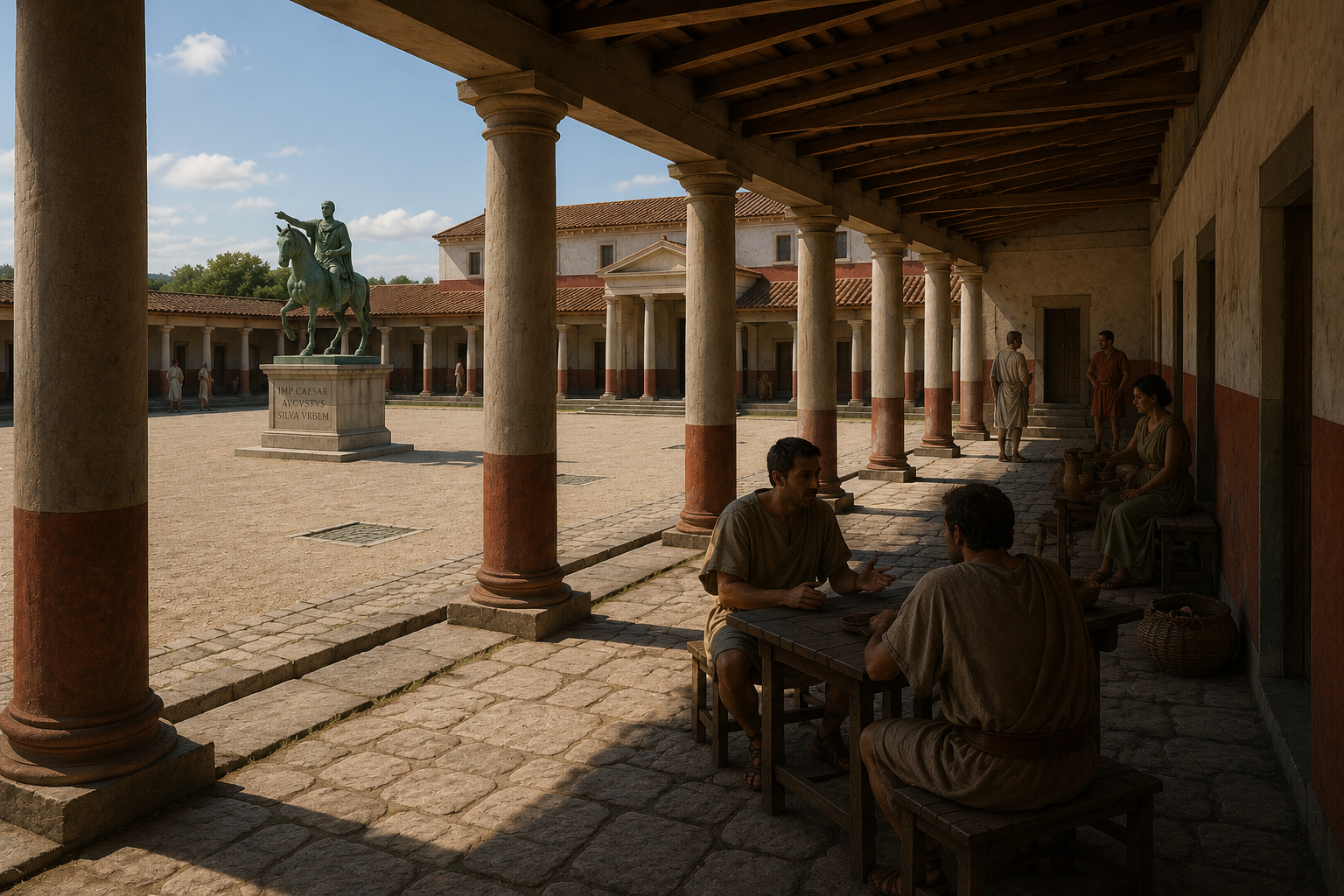
One of the most outstanding archaeological discoveries was the unearthing of more than 200 fragments of a monumental gilded bronze equestrian statue, probably representing Emperor Augustus. In 2009, the part corresponding to the horse’s head was found, measuring 55 cm in length and weighing 25 kg. The bridle, exquisitely decorated, included six ornamental discs and constitutes one of the most exceptional pieces of Roman art discovered north of the Alps.
Silva Urbem
Chapter 18
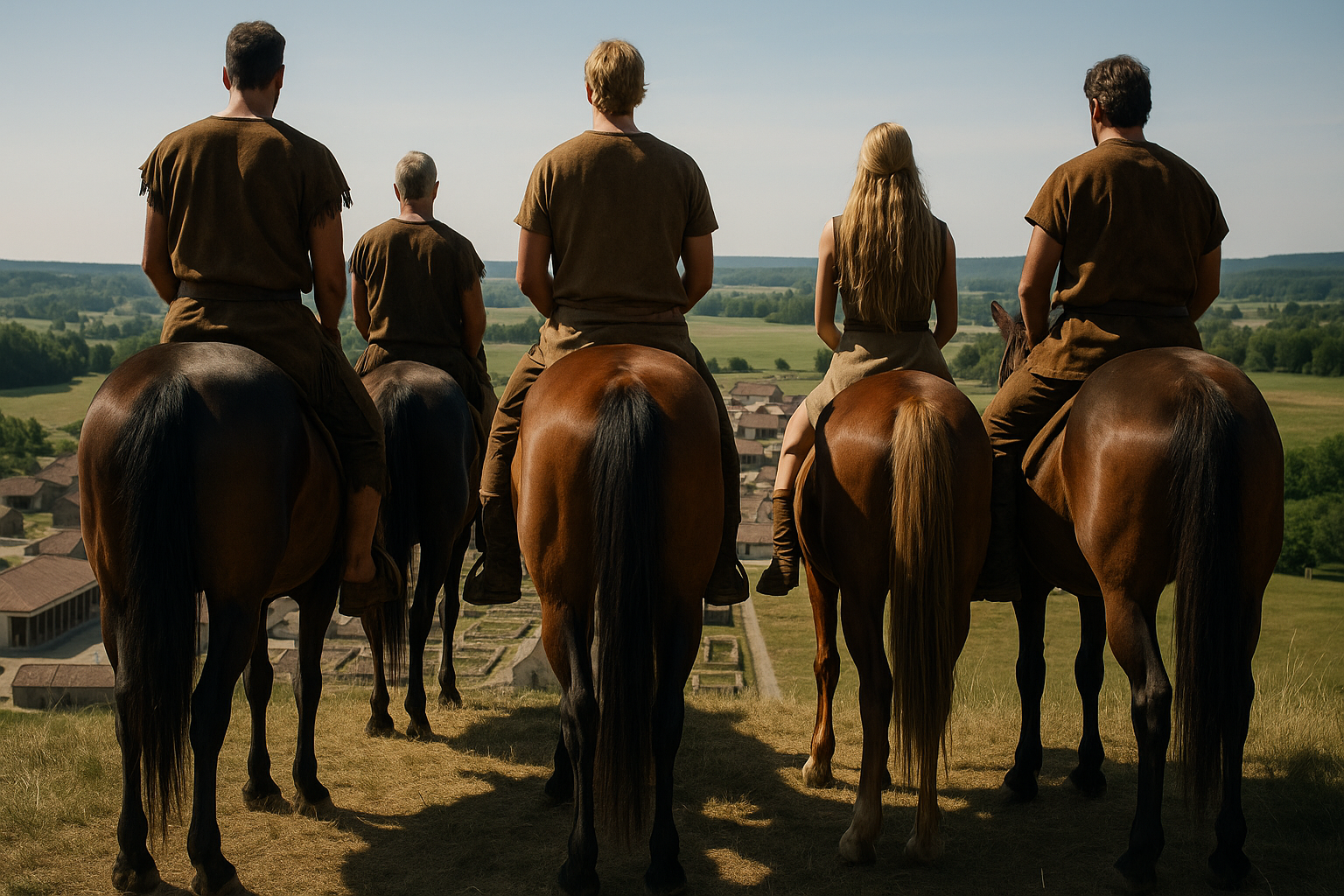
…The optio was not lying. There were still two hours left before the sun reached its zenith, when they arrived at Silva Urbem…
Did you know…?
🔹The Waldgirmes Forum was not a military camp but an attempt to found a true Roman civilian city beyond the Rhine, with a forum, houses, workshops, streets, and even a possible curia.
🔹There were no defensive walls around the settlement, which indicates that the Romans fully trusted their ability to control the territory. This confidence was shattered by the massacre of Varus’s legions at Teutoburg.
🔹The discovery of the gilded bronze equestrian statue of Augustus is the only complete find of its kind (though fragmented) in ancient Germania. It represents one of the most valuable examples of the imperial cult in the provinces.
🔹The site was deliberately buried by its own occupants, suggesting a quick but orderly withdrawal. Some archaeologists believe it was a symbolic act of abandonment after the collapse of the dream of Germanization.

 EN
EN  ES
ES  FR
FR