Sorrentum (Sorrento)

La ciudad de las sirenas
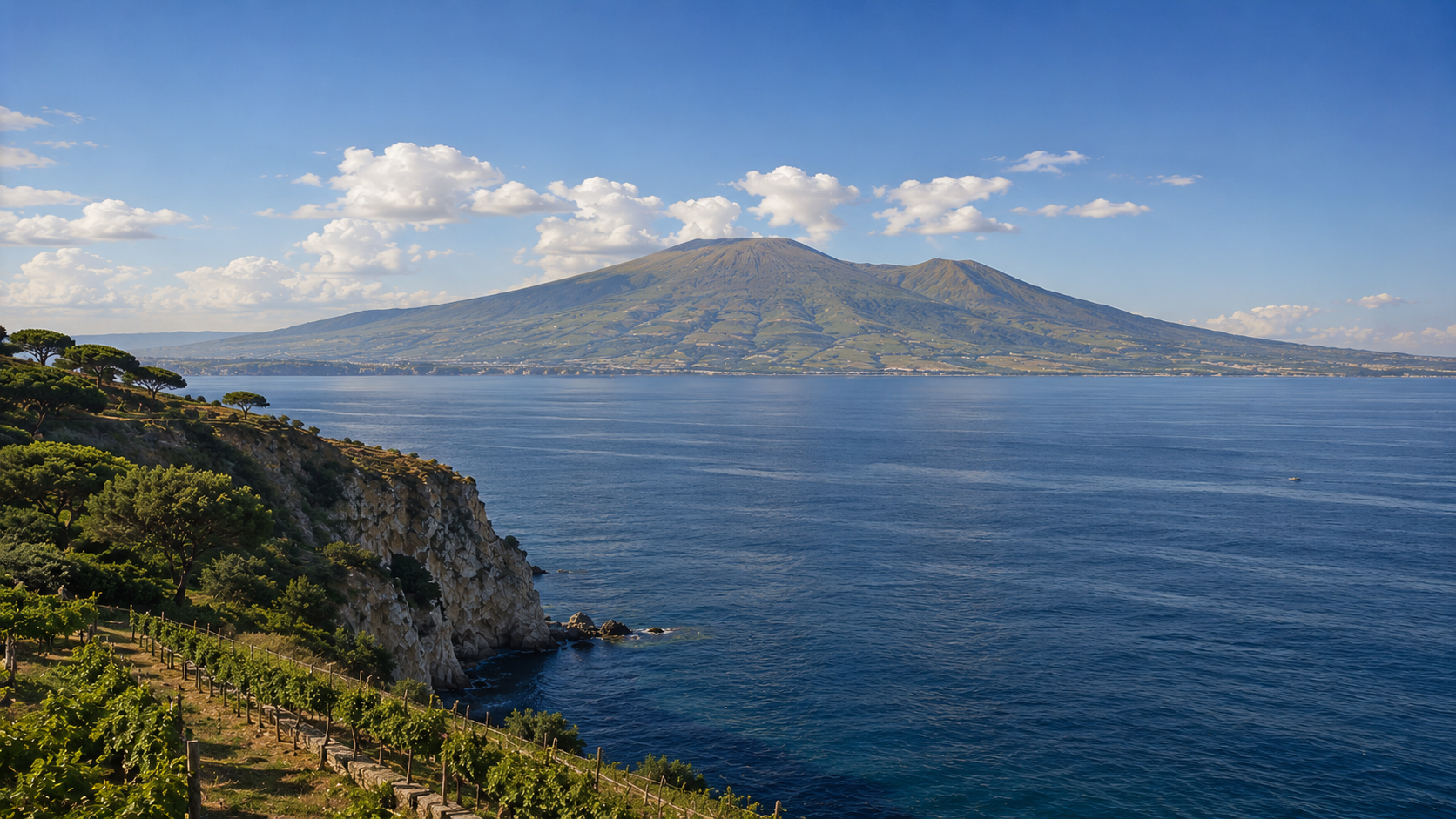
Dice la leyenda que el nombre de Sorrento deriva de las míticas sirenas, que eran mitad mujeres y mitad peces, y que forzaban a los navegantes a naufragar contra sus rocas. Ciudad cuyo probable origen sea griego, las leyendas indican una estrecha conexión entre Lípari y Surrentum, colonia de aquella en el pasado; e incluso durante el Imperio romano, Surrentum permaneció mayoritariamente griega.
It was brought under Roman control in 89 BC, and was subdued in the following years.
Numerous funerary inscriptions of imperial slaves and freedmen have been found in Surrentum. One inscription shows that Titus, in the year after the earthquake of 79, restored the city’s horologium and its architectural decoration. A similar restoration of an unknown building in Naples in the same year is recorded in an inscription from Surrentum.
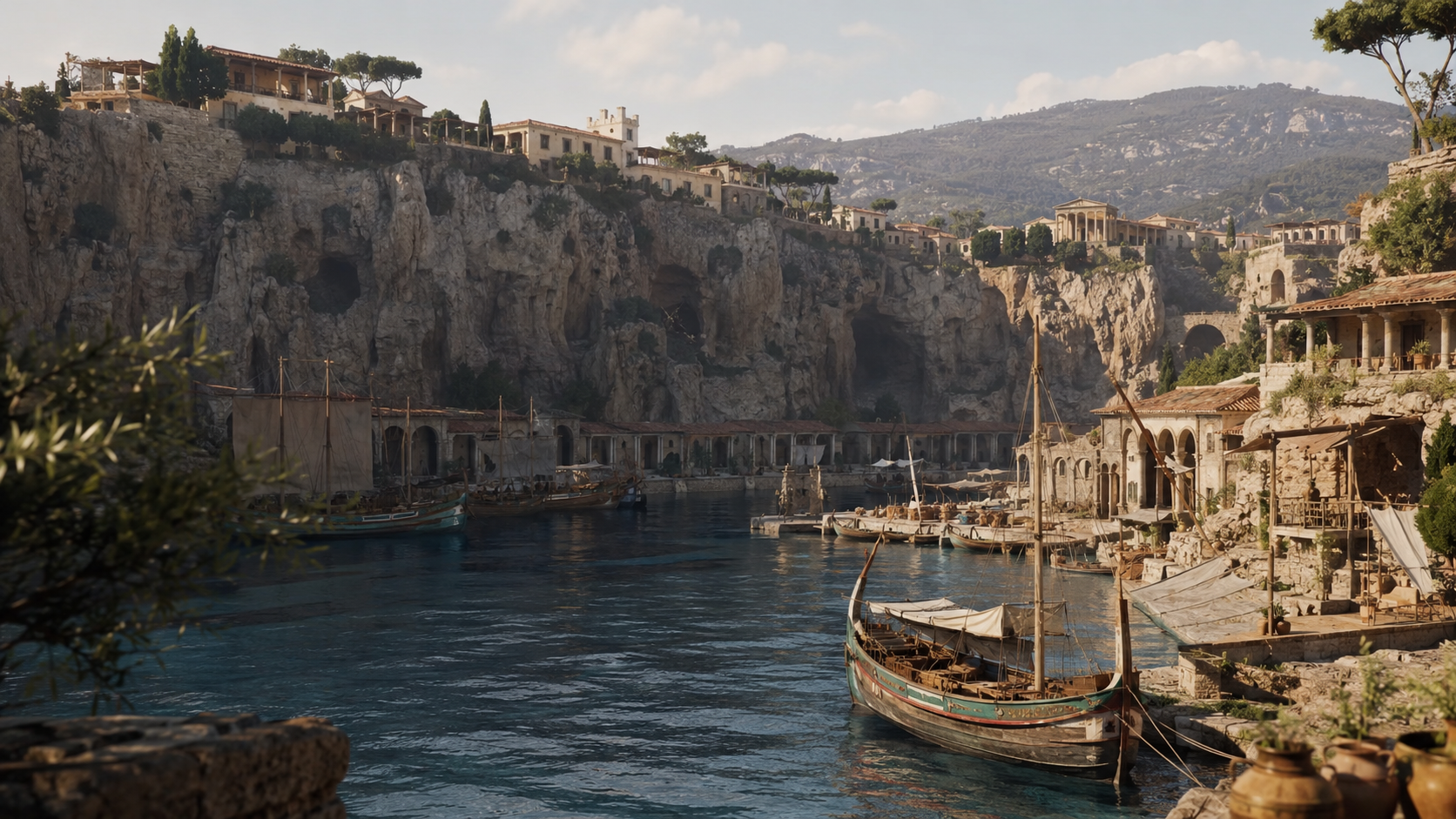
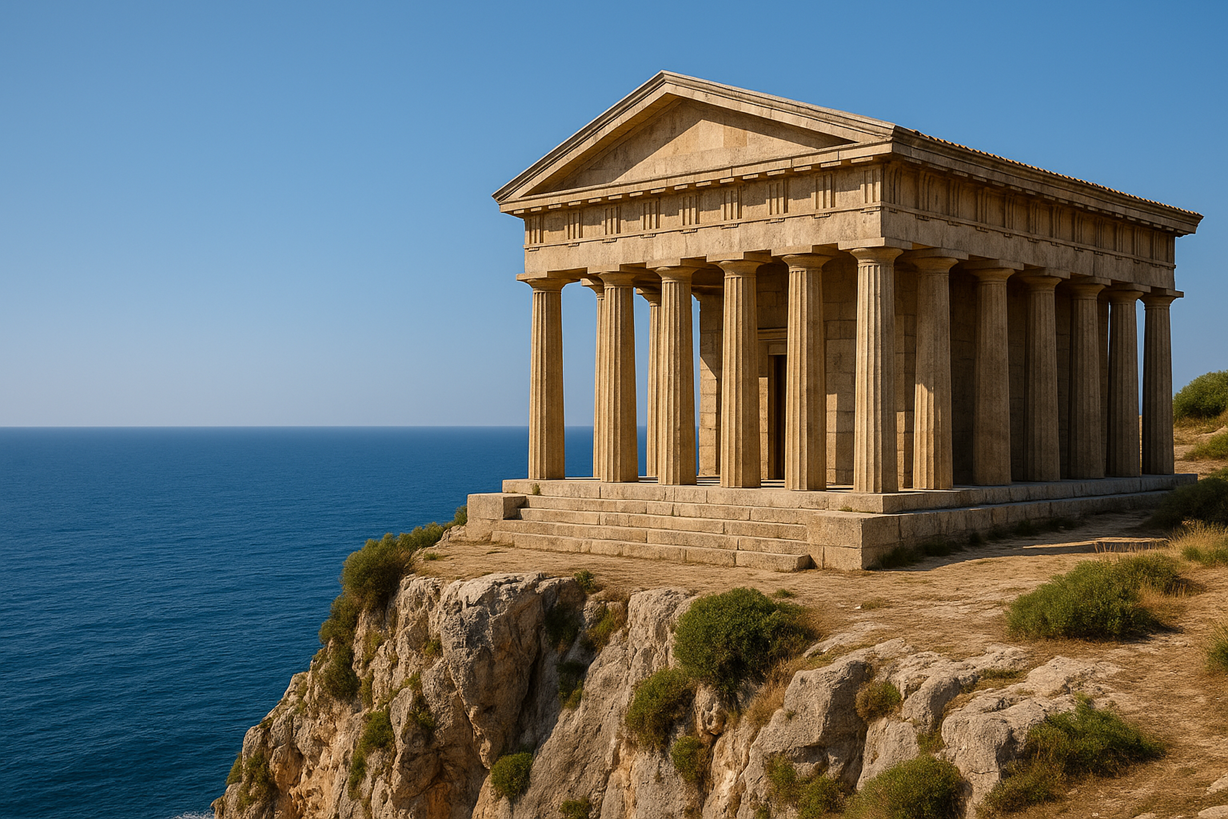
The most important temples of Surrentum were those of Athena and of the Sirens, the latter giving the city its name. In antiquity, Surrentum was famous for its wines, its fishing, and its Campanian red-figure pottery. The discovery here of coins from Massalia, Gaul, and the Balearic Islands indicates great commercial activity.
Home, Sweet Home
Chapter 24
…—The possibility of Sorrento being a quiet place with Dietrich around seems very remote to me —laughed Henke…
Did you know…?
🔹No remains exist of the famous Temple of the Sirens, but its memory lives on in the very etymology of the city. The temple, dedicated to these half-human, half-fish creatures, dominated the coastline from a rocky promontory, as if guarding the passage between myth and history.
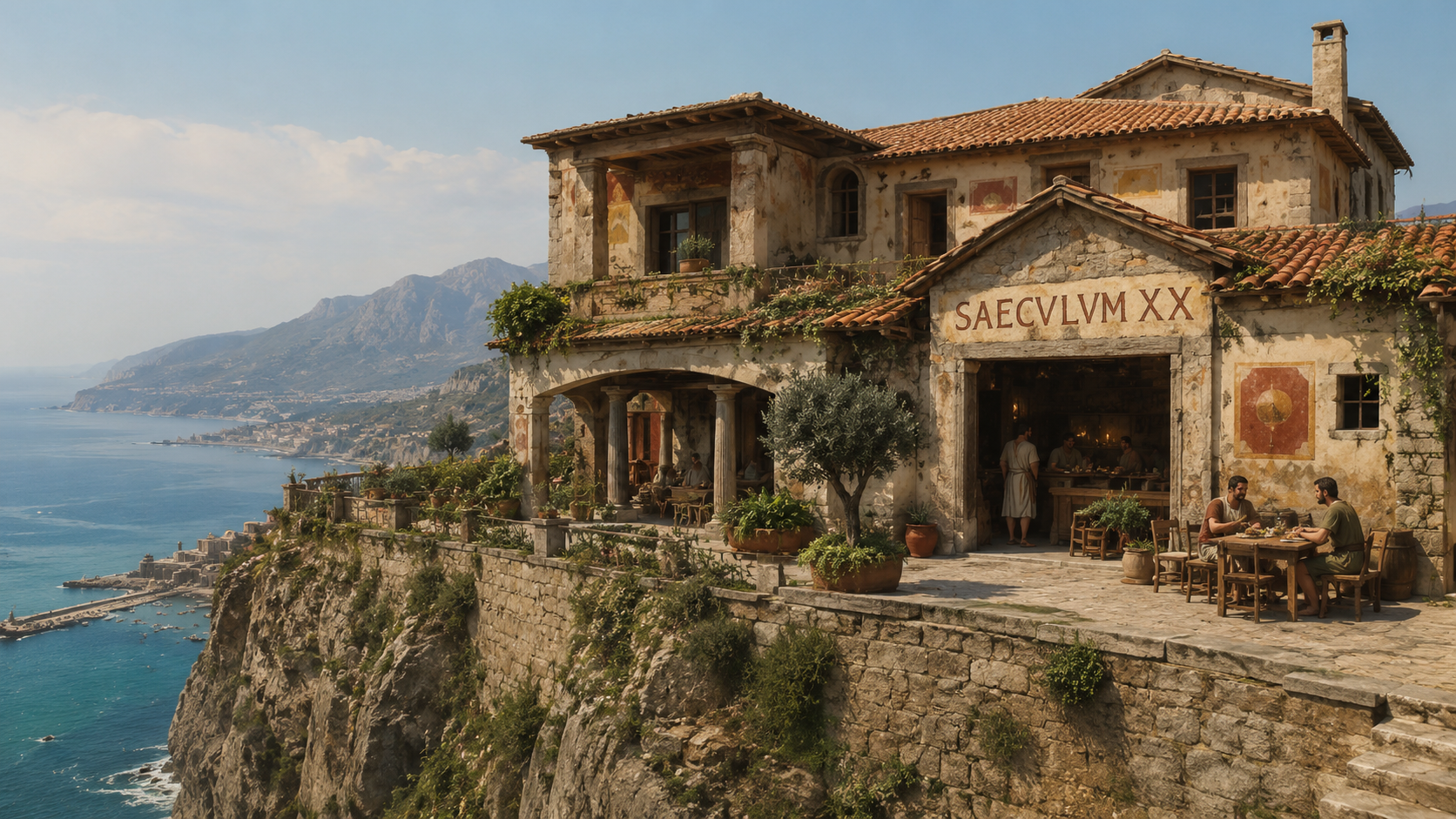
🔹During the Roman Empire, Surrentum became a prosperous trading center, especially in vinegar and olive oil, which were highly valued throughout the Mediterranean.

 EN
EN  ES
ES  FR
FR