Portus Magnus (Almería)

El refugio romano entre sal y silencio
Located in what is today Almería, Portus Magnus was one of the coastal enclaves of the province of Baetica linked to Roman maritime trade in southeastern Hispania. Unlike other monumental Roman cities, Portus Magnus was consolidated as a strategic stronghold in the Roman maritime trade network thanks to its privileged location and logistical function: it offered a safe anchorage on a coastline with few natural shelters and served as a connecting point between Carthago Nova and Gades.
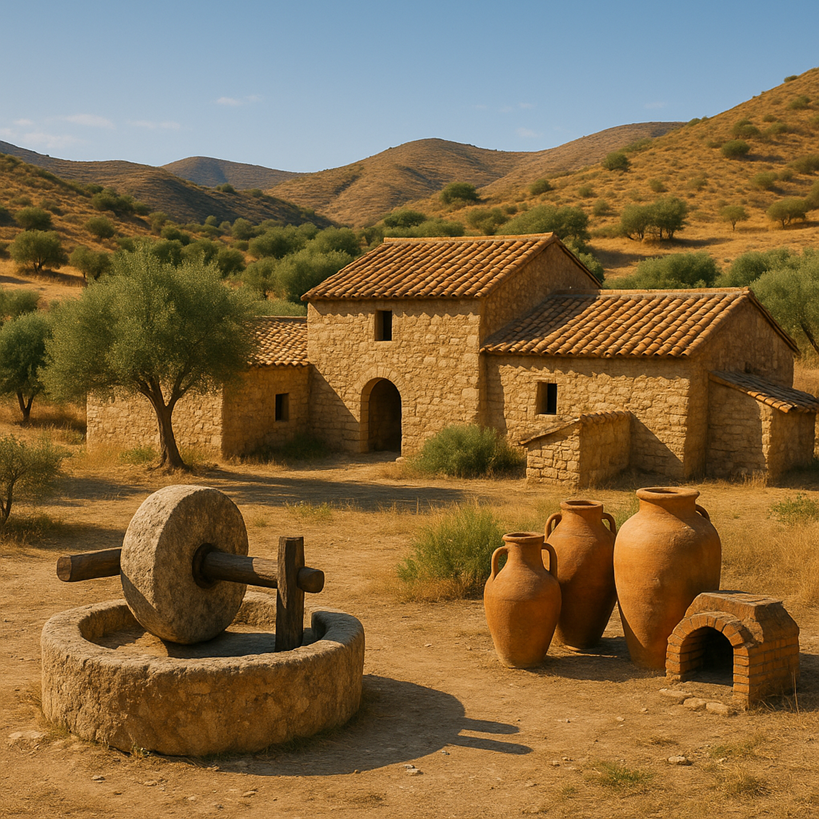
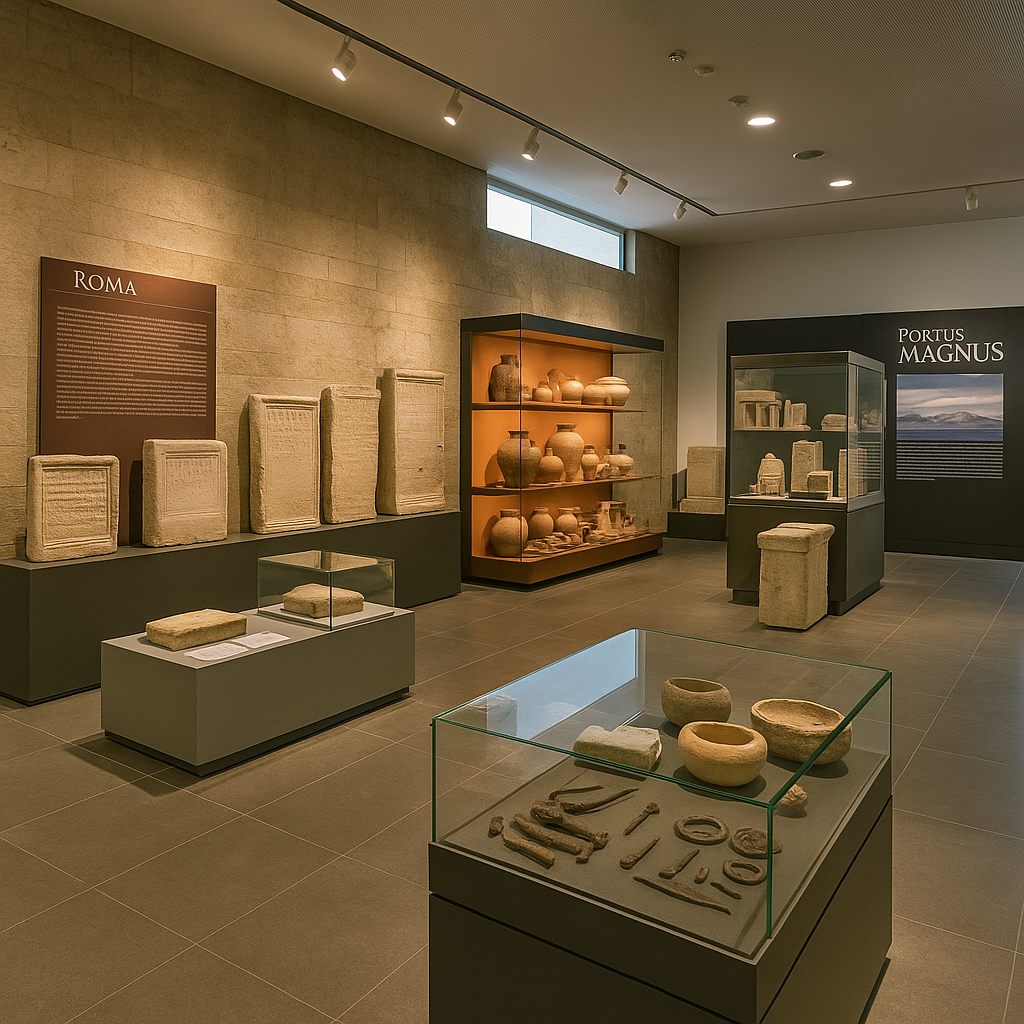
Archaeological findings indicate that Portus Magnus functioned as a logistical station for the transport of salted fish, garum, and minerals from the interior of the province. Products were sent overland from cities such as Urci (possibly the predecessor of present-day Vera) and unloaded at the port for export.
During the 1st and 2nd centuries AD, the area experienced relative prosperity. Warehouses (horrea), hydraulic structures, and well-crafted domestic items have been documented. Although the settlement was modest, the quality of some ceramic materials and the existence of coins of emperors such as Trajan and Hadrian confirm that it was a stable community, integrated into the imperial economic network.
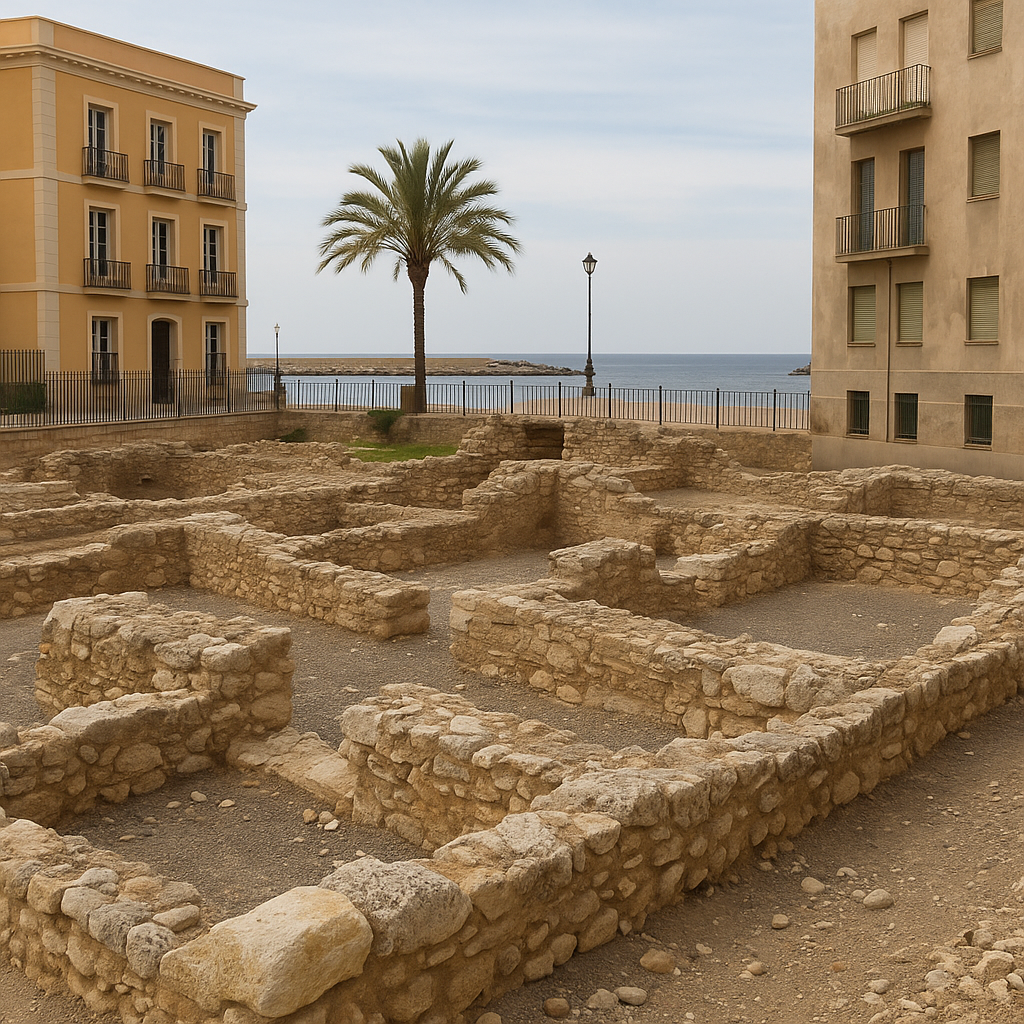
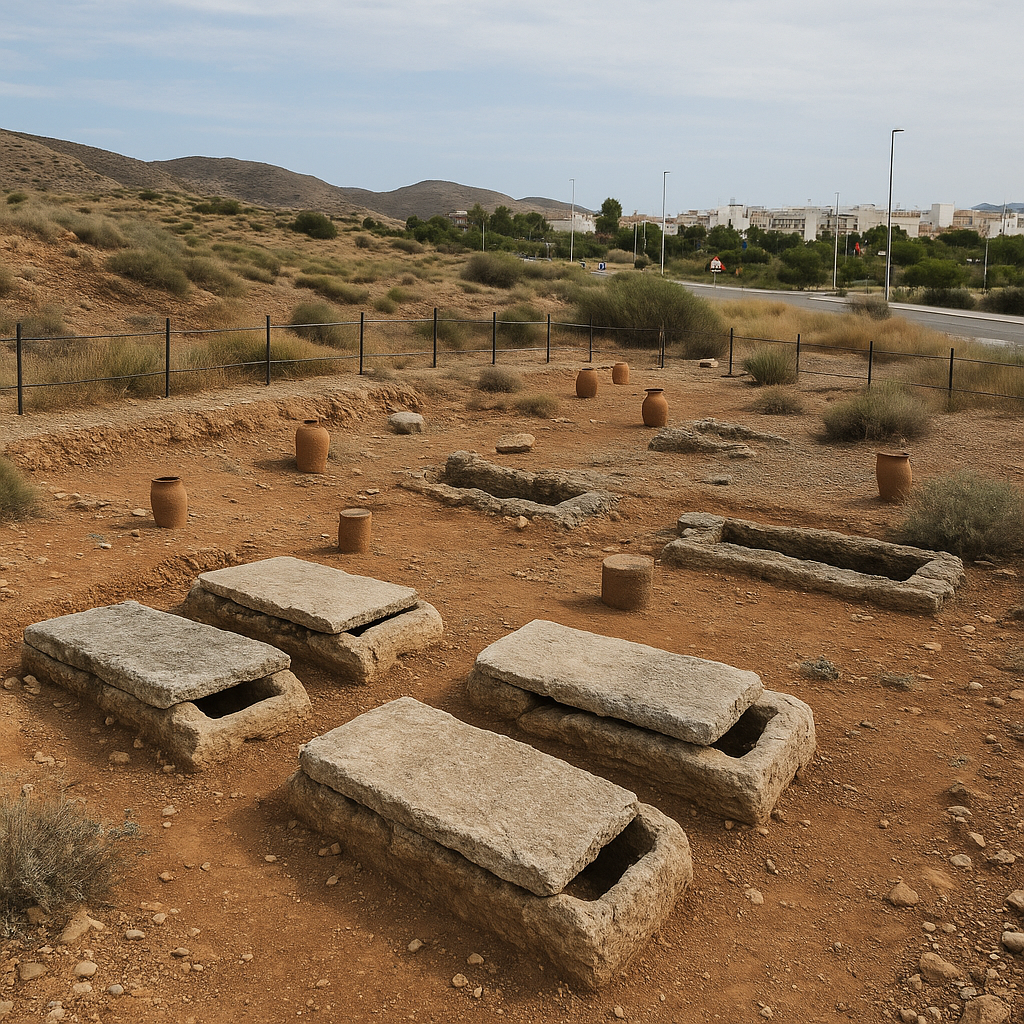
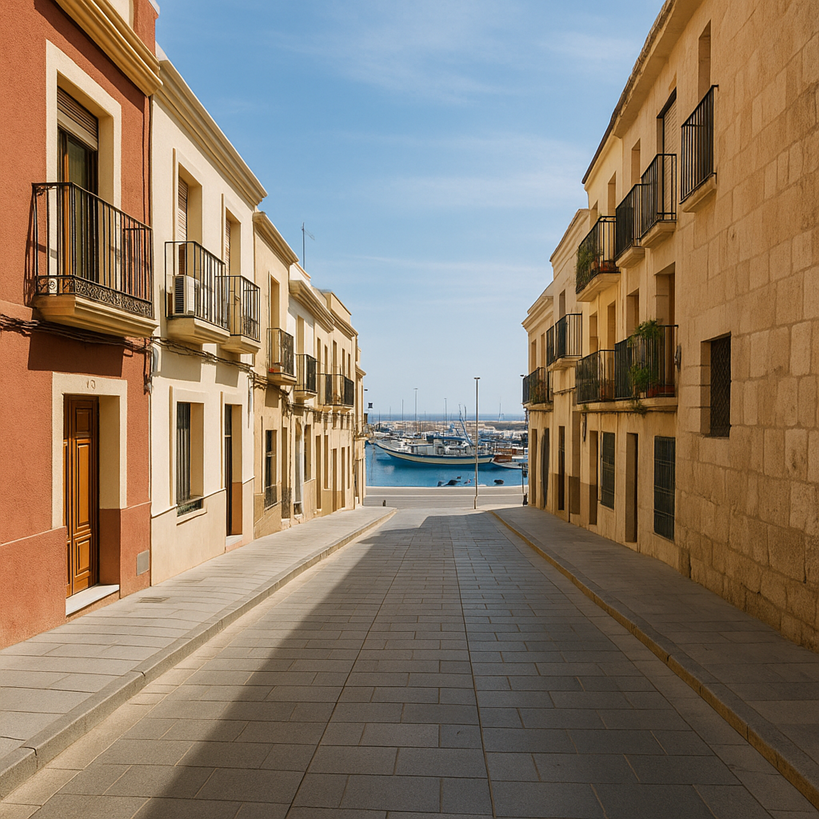
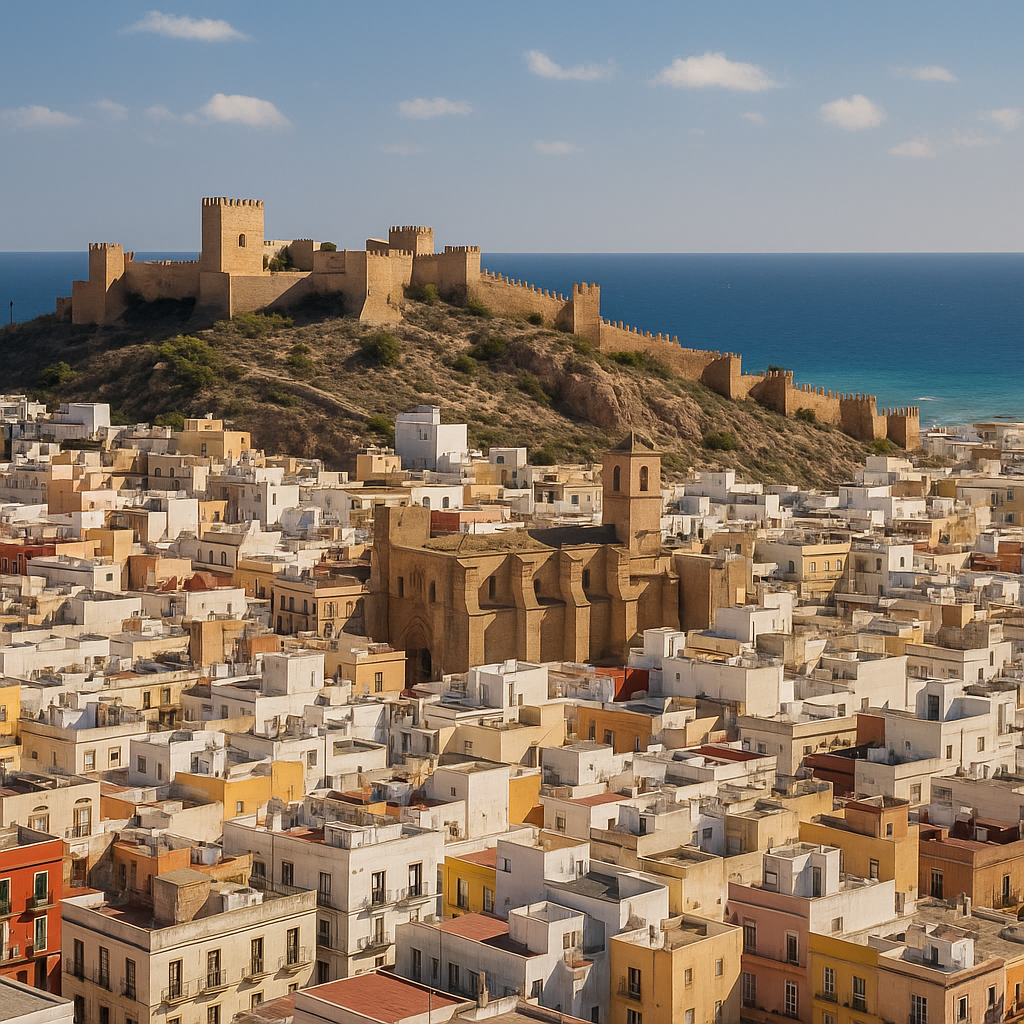
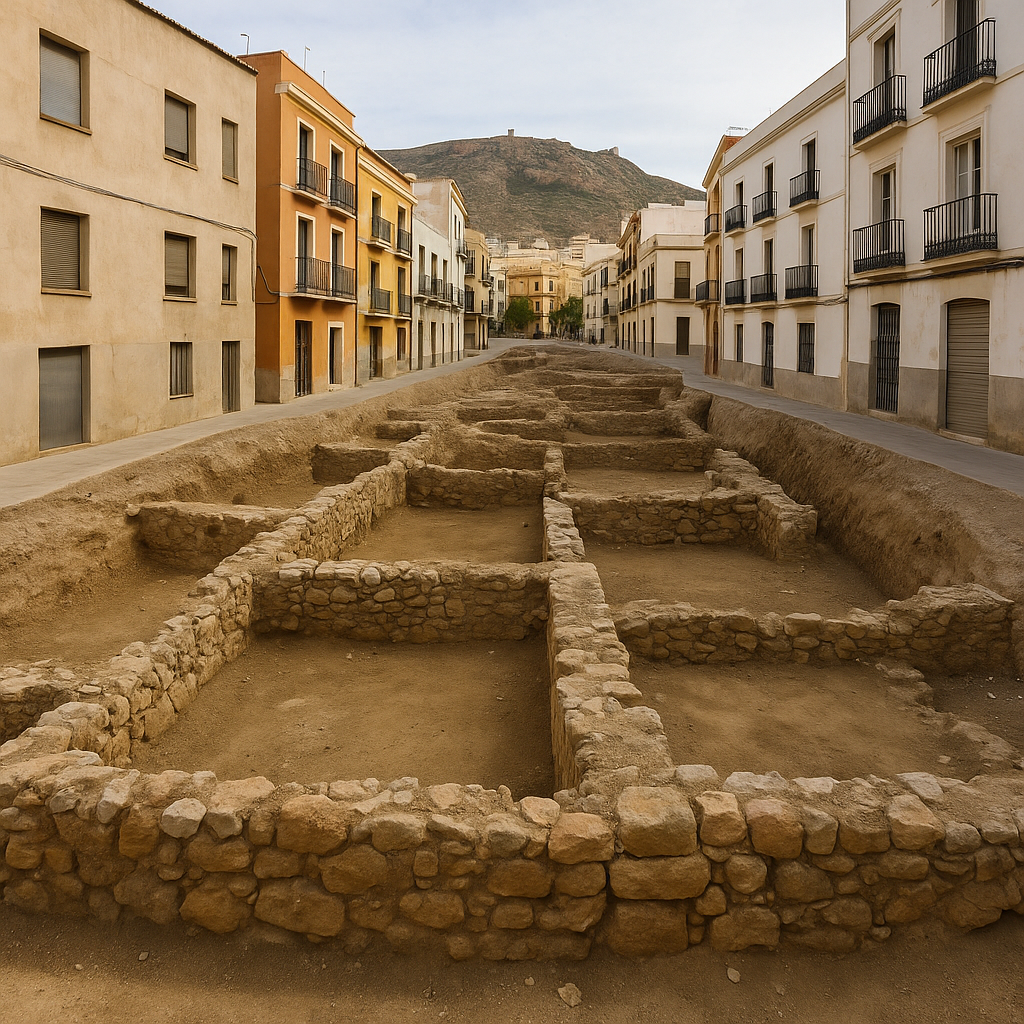
Today, the neighborhood of La Chanca and the fishing port area sit on the site once occupied by the Roman nucleus. Recent excavations have identified walls, amphorae, and remains of the fish-processing industry. From the Castillo de San Cristóbal, on top of the hill, one can still observe the geographical logic that justified the choice of that place as a port site.
The crossing
Chapter 21
…The shortage of provisions pointed to Portus Magnus as the most suitable place for resupply…
Did you know…?
🔹The name Portus Magnus appears in the Itinerarium Antonini, one of the main sources of Roman land and sea routes.
🔹Some amphorae found on the coast of Mauretania Tingitana (modern Morocco) bear identical seals to those discovered in Almería, demonstrating a direct trade route between the two points.
🔹Despite its small size, Portus Magnus was part of the conventus iuridicus of Carthago Nova, which meant Roman administration with fiscal authority.
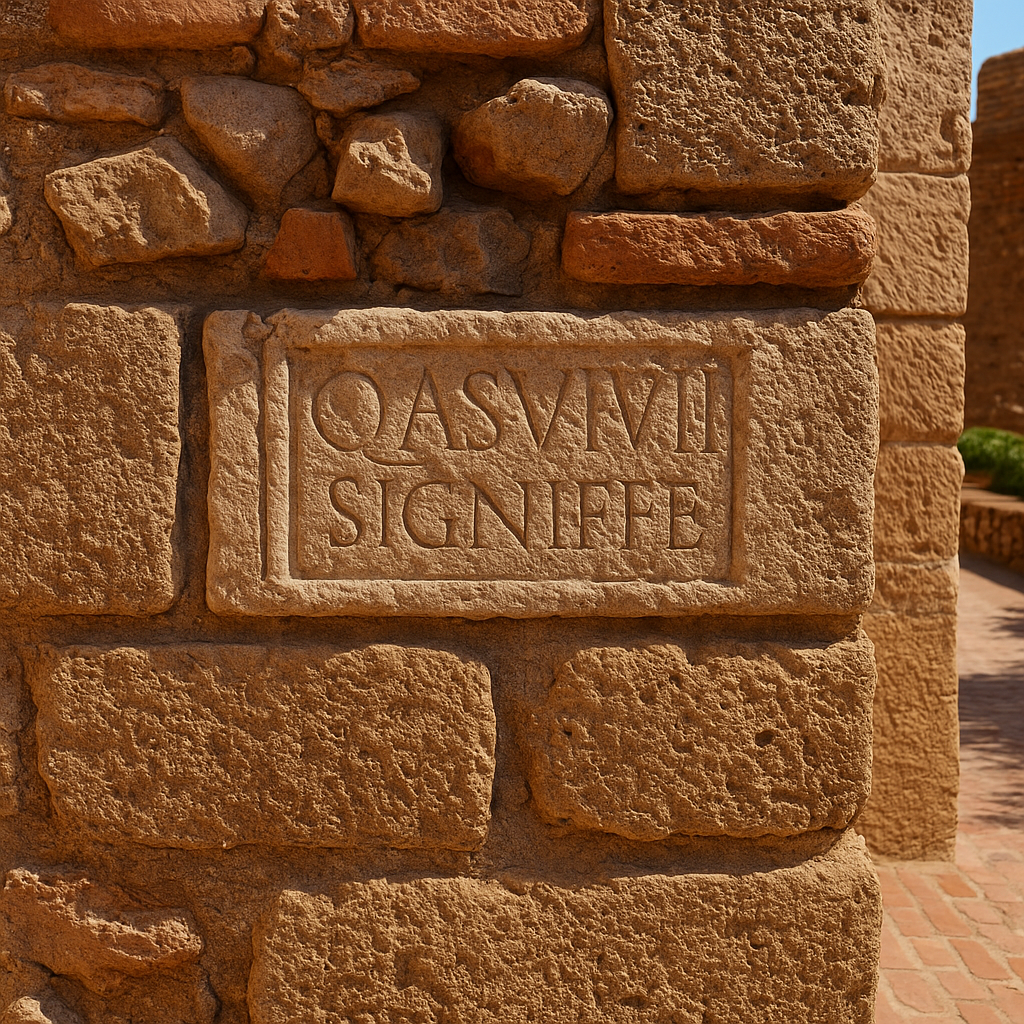
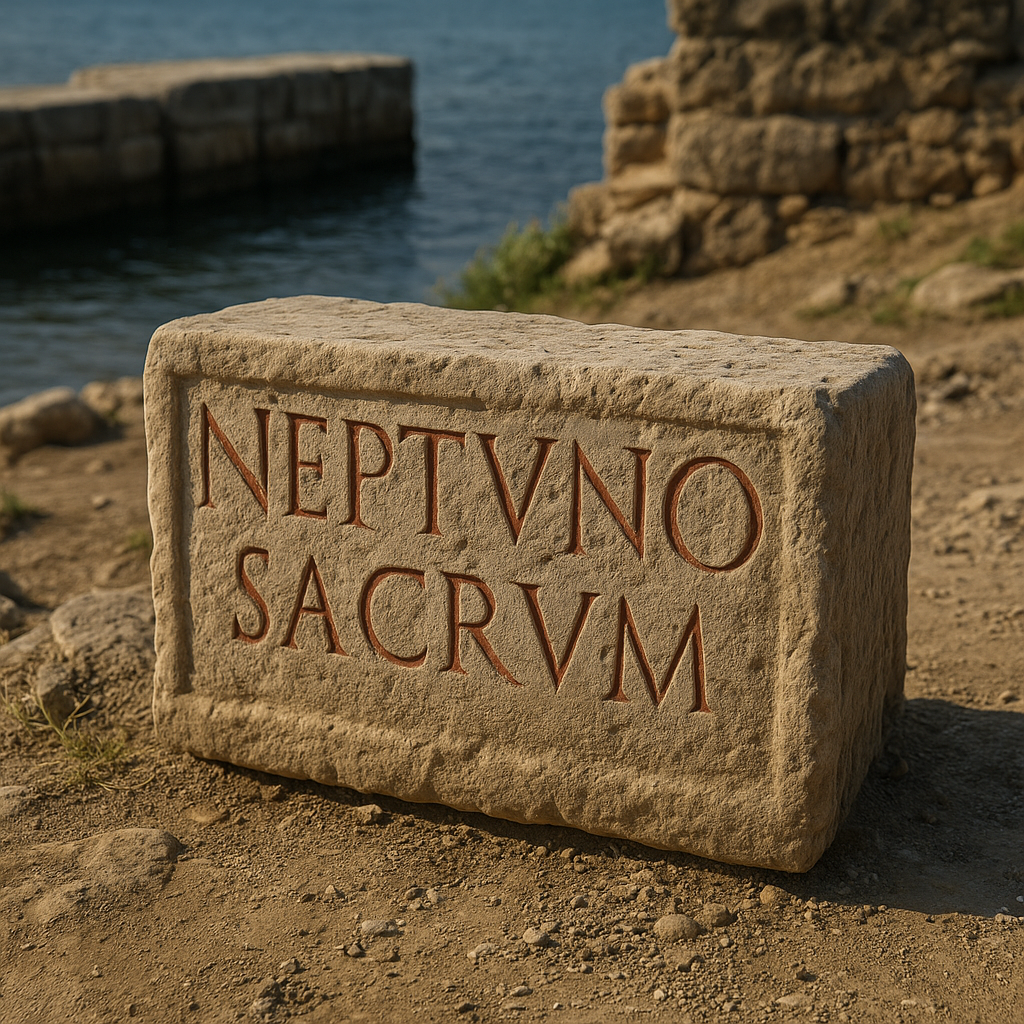
🔹In the 1980s, an inscription dedicated to Neptune was found in the harbor area, suggesting the existence of a small marine cult linked to dockworkers.
How did Portus Magnus become Almería?
With the crisis of the Empire in the 4th–5th centuries and the Visigothic invasion, the port was gradually abandoned. Its name, Portus Magnus, disappeared from documents and maps, such as the Tabula Peutingeriana, where it no longer appears.
For several centuries, the area remained marginal, until in the 10th century, under the Caliphate of Córdoba, the Andalusis founded a new fortified port city. They called it Al-Mariyya Bayyana (المريّة), meaning “the mirror of the sea” or “the place watched from the tower.” This new city was built from scratch for military and commercial purposes, as the port of the nearby city of Pechina (Bayyana).
Al-Mariyya grew, became the seat of an independent taifa in the 11th century, and after the Christian conquest in the 15th century, its name was Latinized to “Almería,” which is how we know it today.

 EN
EN  ES
ES  FR
FR