Tarraco (Tarragona)

La capital imperial de la Hispania Citerior
Located on the Mediterranean coast, Tarraco was one of the most important cities of Roman Hispania. Elevated to the rank of capital of the province Citerior—that is, “the Hispania closest” to Rome—Tarraco became a symbol of Roman identity and imperial projection in the Iberian Peninsula.
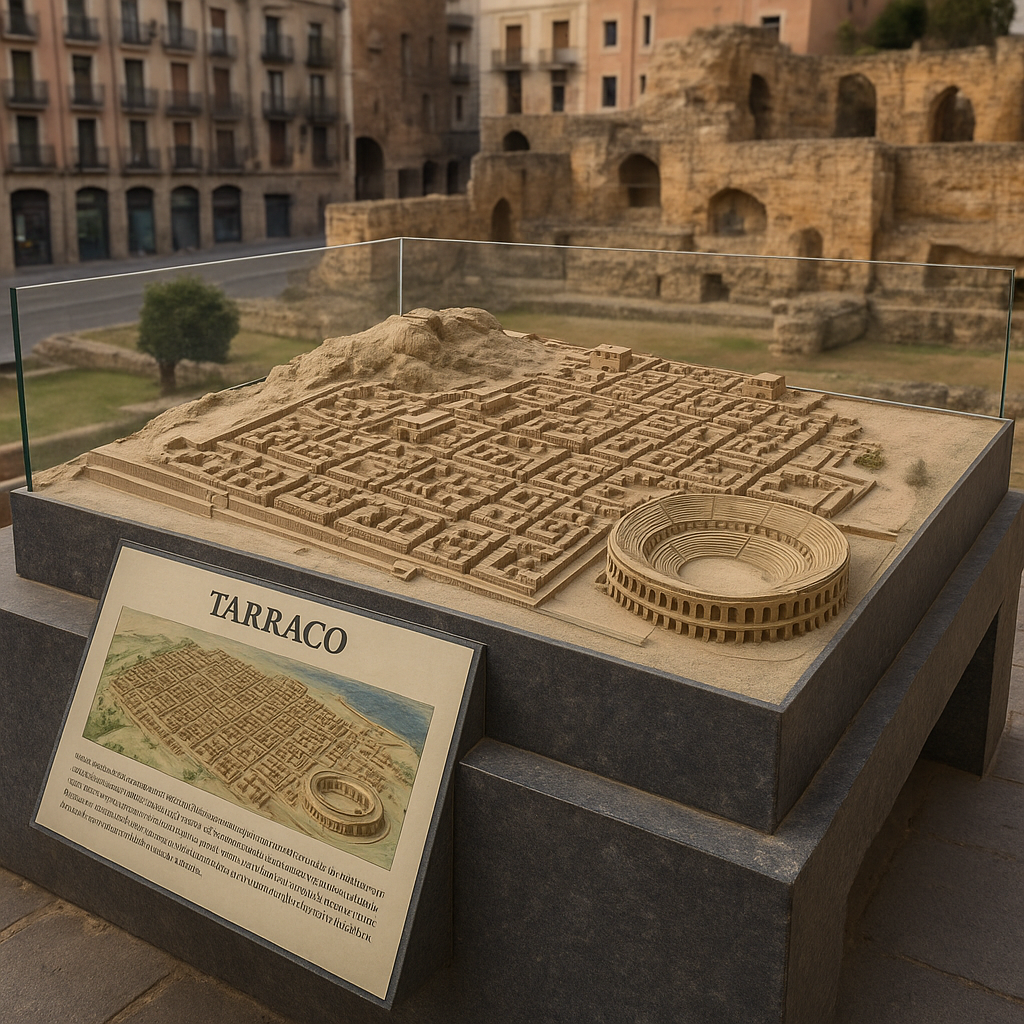
The city began as a military camp during the wars against the Carthaginians, but it was in the time of Gaius Julius Caesar Augustus, the first emperor of Rome and adopted son of Julius Caesar, that it was transformed into a true political and monumental center. The emperor resided there for several months between 26 and 25 BC while recovering from an illness, and under his protection major public works were begun, such as the provincial forum, temples, aqueducts, and an impressive circus.
With Augustus’s administrative reform, Hispania Citerior was renamed the province of Tarraconensis, taking its name precisely from Tarraco. The city was characterized by its orderly urban planning, modern infrastructure, and its ability to integrate local influences within the Roman framework.
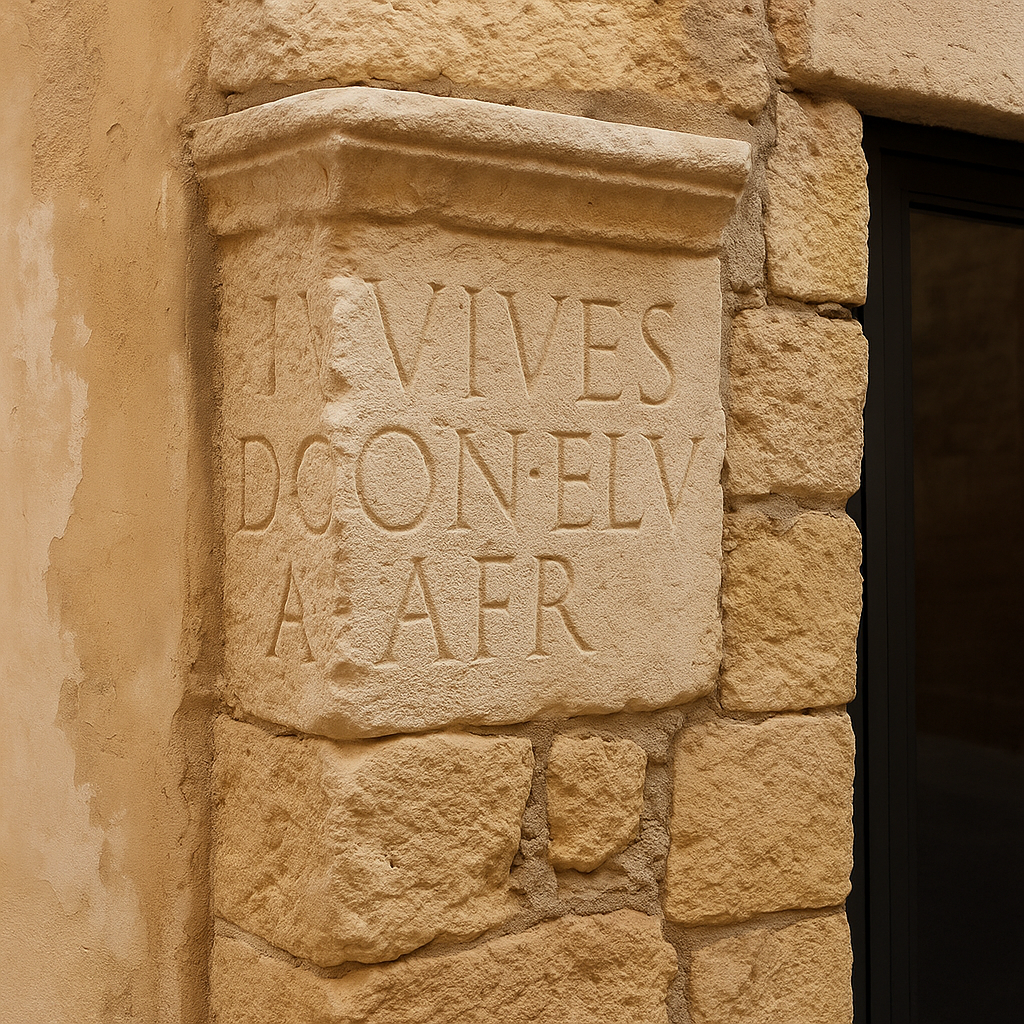
During the rule of the Flavian dynasty—especially under Vespasian and his son Titus—, Tarraco experienced new institutional momentum. Vespasian granted many Hispanic cities Latin rights (ius latii), which allowed for their full legal and economic integration into the imperial system. Tarraco, as provincial capital, consolidated its privileged status and attracted even more public investment, particularly in hydraulic works and civic spaces.
It was also in this period that the imperial cult gained greater visibility in the upper forum, consolidating Tarraco’s image as a showcase of provincial loyalty to the emperor.
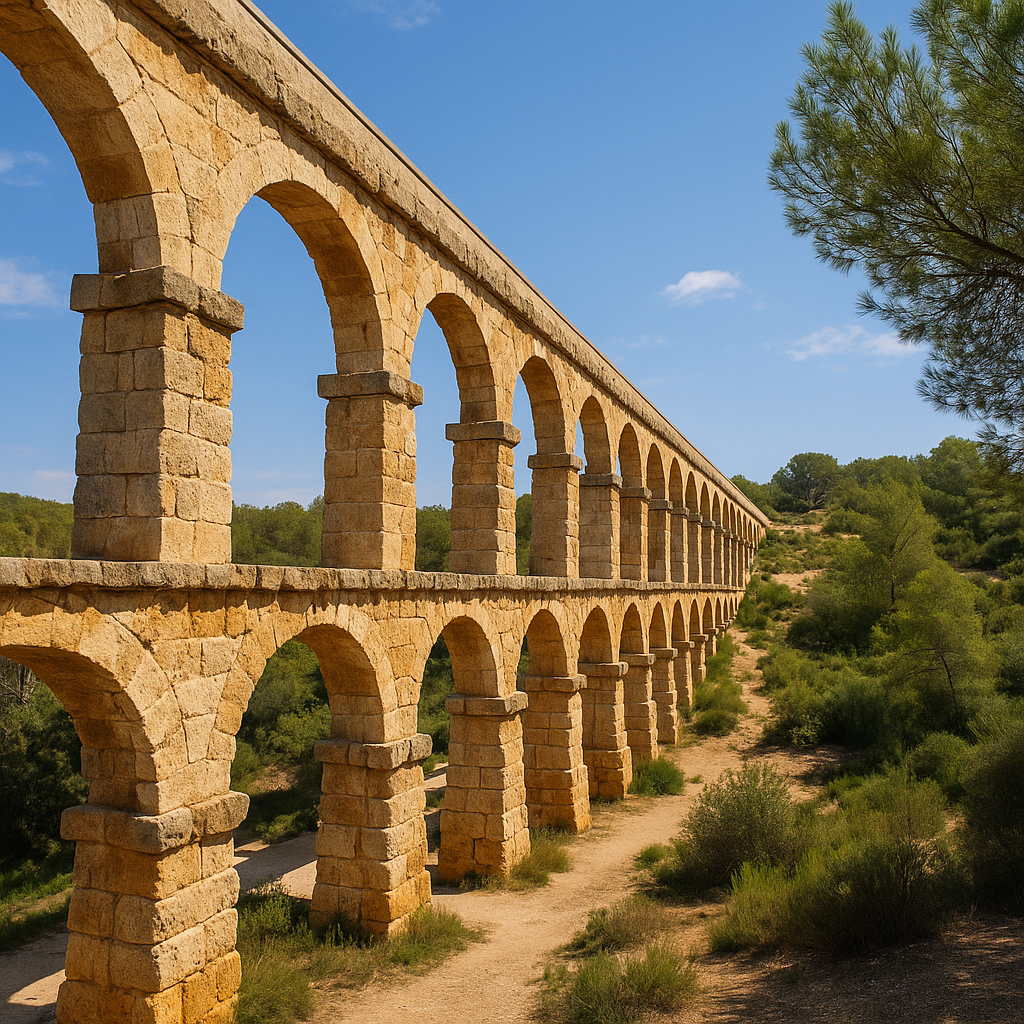
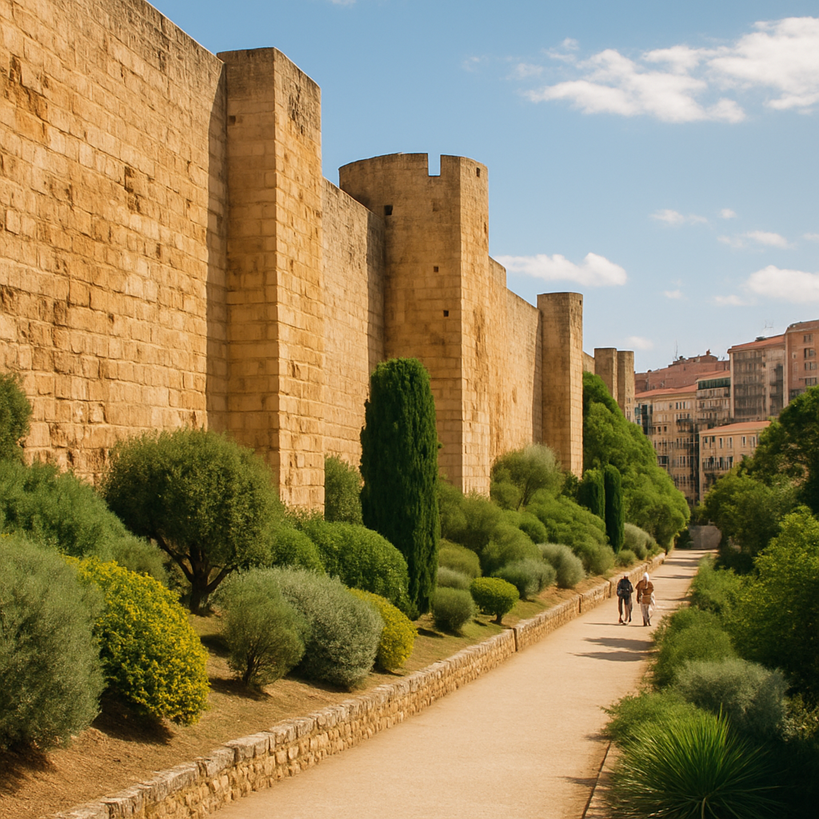
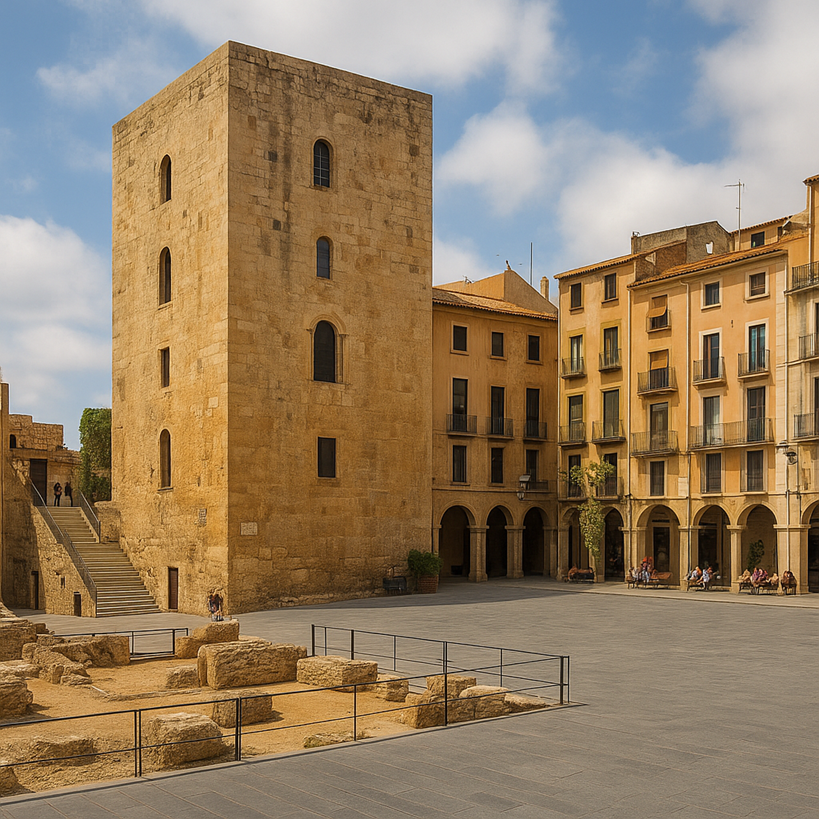
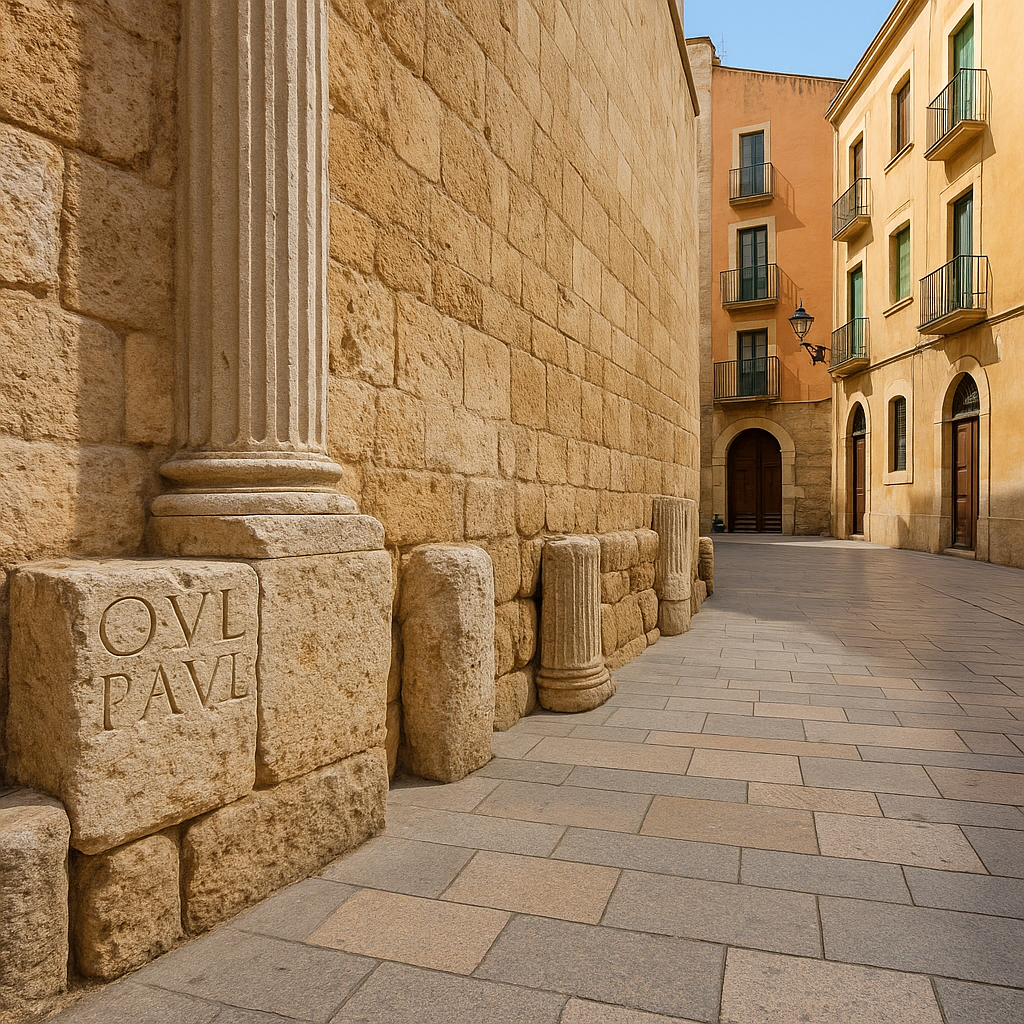
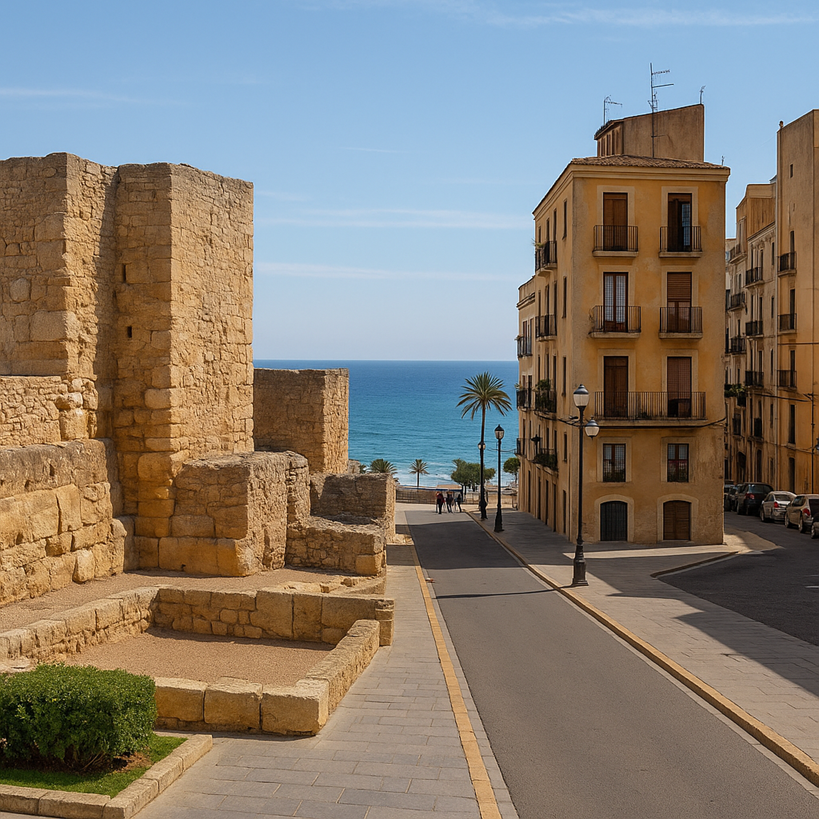
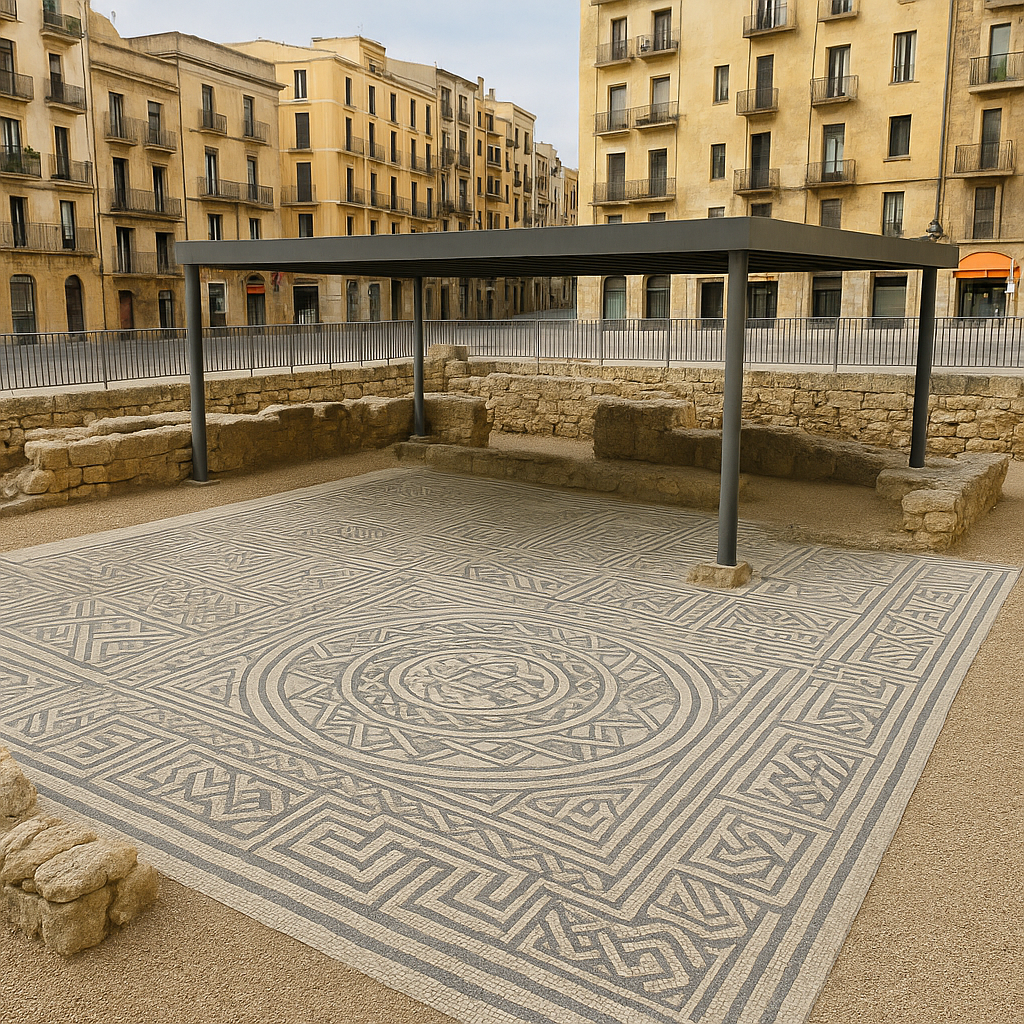
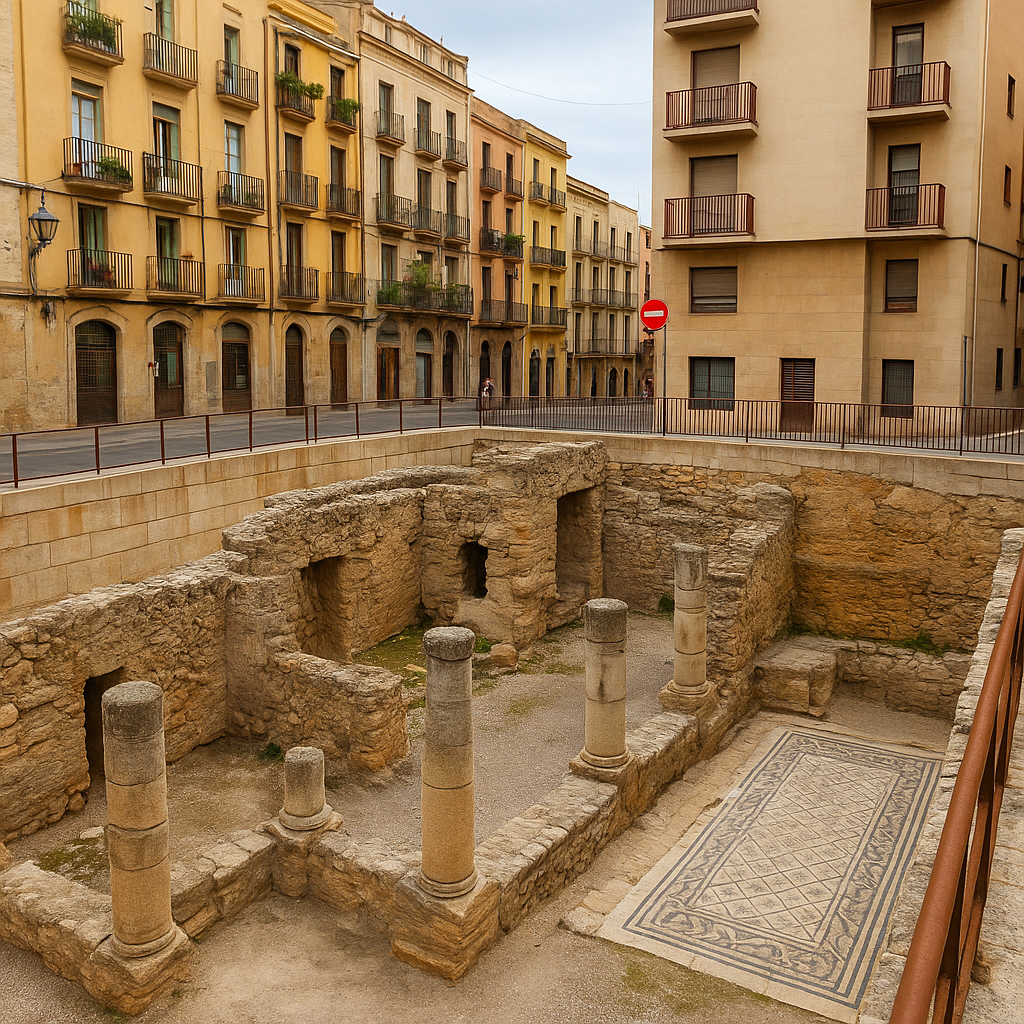
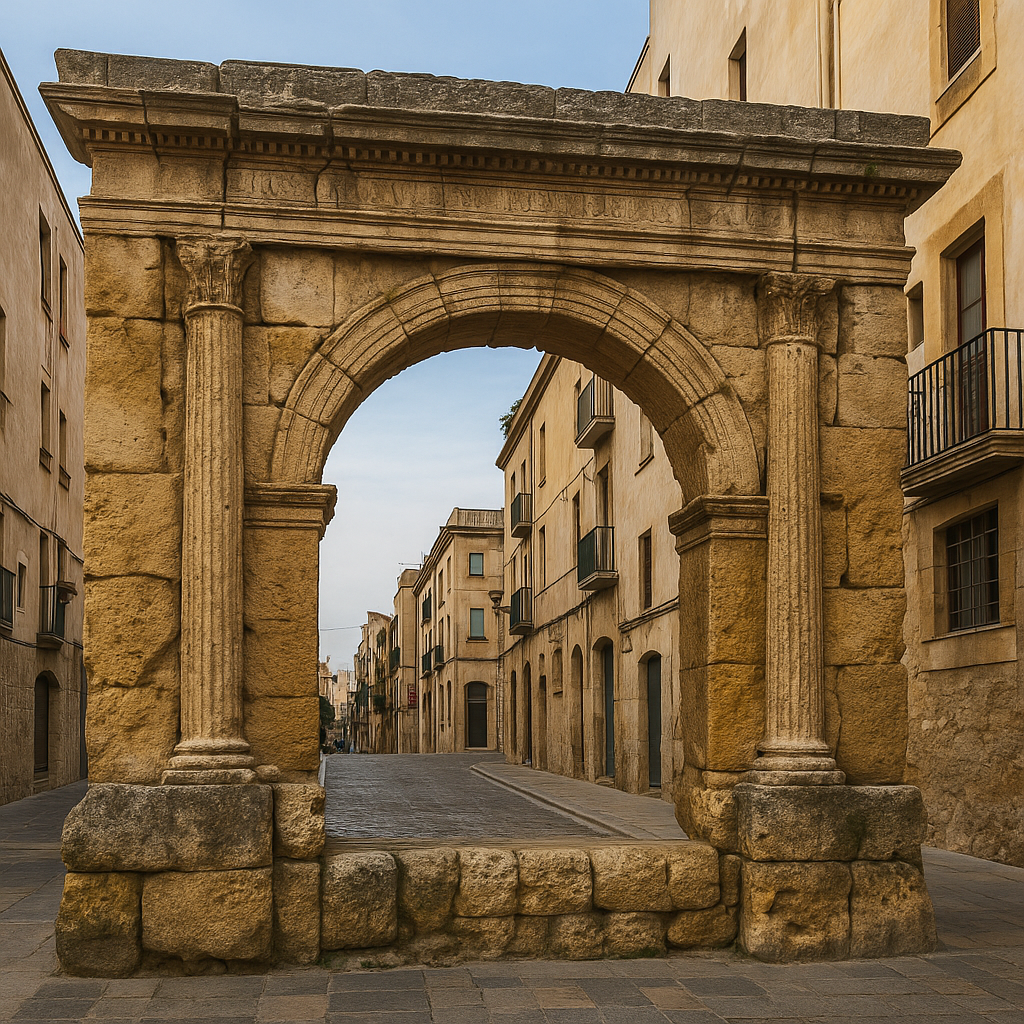
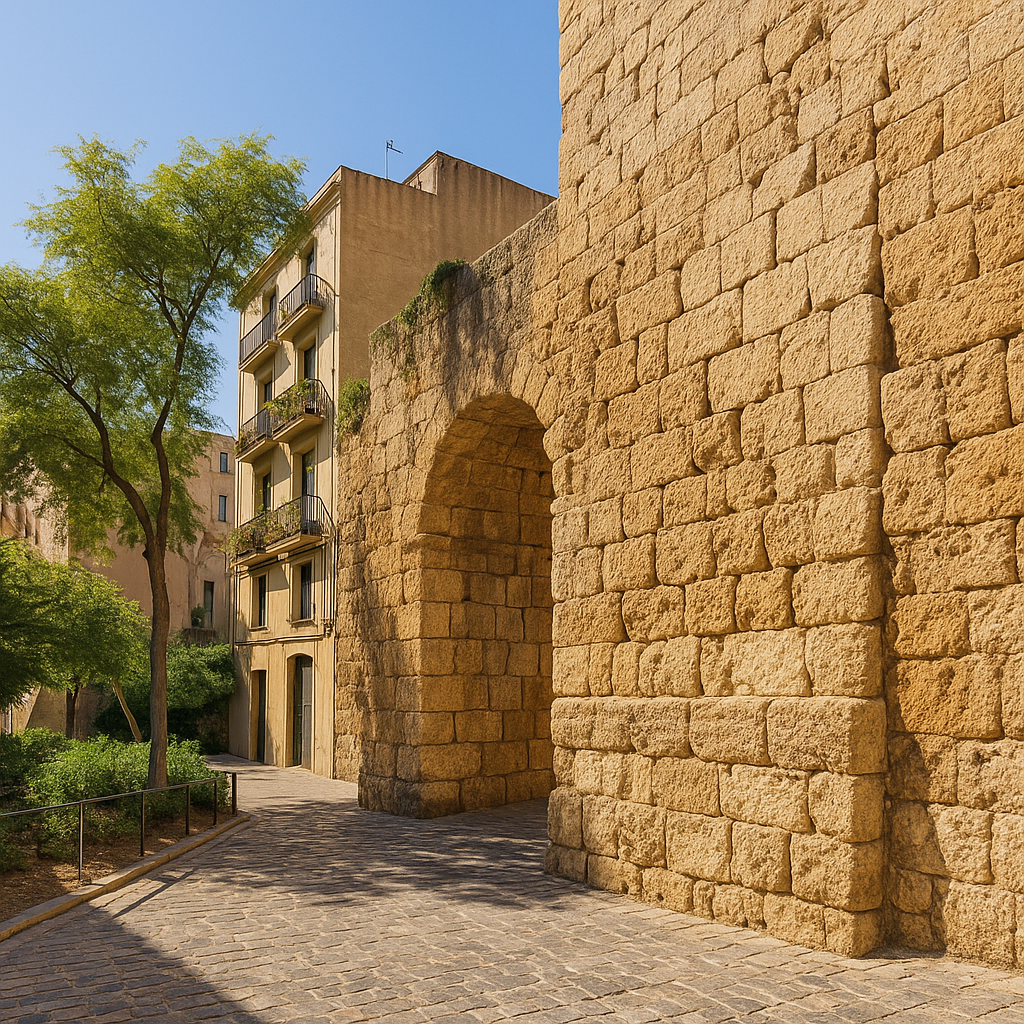
Today, Tarraco preserves some of the best-preserved Roman remains in the Peninsula. The seaside amphitheater, the circus, the walls, and the aqueduct of Les Ferreres (known as the “Devil’s Bridge”) are visible witnesses of its former greatness. In the year 2000, its archaeological complex was declared a UNESCO World Heritage Site.
The crossing
Chapter 21
…—You won’t find anything worthwhile here. To get quality goods, you’ll have to travel all the way to Tarraco…
Did you know…?
🔹The provincial forum of Tarraco covered an area of more than 18,000 m² and was divided into two levels: the level of representation and that of the imperial cult.
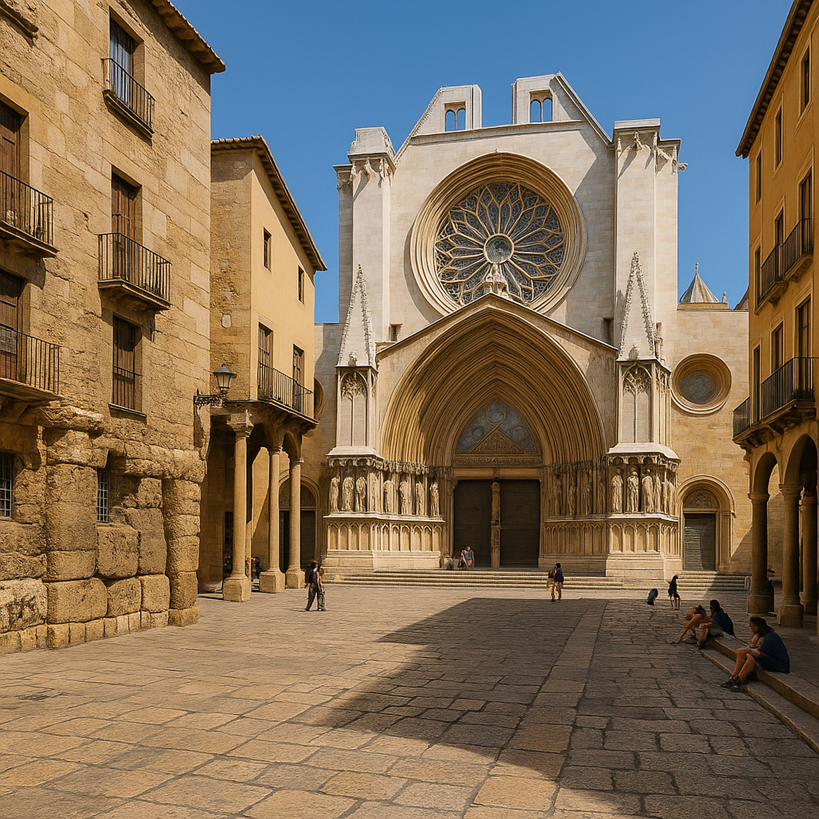
🔹Augustus ordered the construction of a temple dedicated to Rome and to himself at the top of the city, upon which the cathedral would later be built centuries afterward.
🔹The aqueduct of Les Ferreres is still nicknamed the “Devil’s Bridge” because of a medieval legend that claimed it was built in a single night by Lucifer.
🔹Tarraco was visited by Hadrian and by Trajan, and became a model for the urban organization of other cities in Hispania.
🔹In the 3rd century, with Christianity already spreading, the city was home to martyrs such as Saint Fructuosus, burned alive in the amphitheater, where a cross stands today in his memory.
🔹Tarraco was one of the few cities outside Italy where coins were minted with the face of Emperor Augustus during his lifetime, as a symbol of his stay and imperial favor.
How did Tarraco become Tarragona?
The Roman name Tarraco gradually evolved over the centuries, as Vulgar Latin transformed into the Romance languages. The change was not abrupt but the result of a natural phonetic adaptation between the 5th and 11th centuries:
- After the fall of the Roman Empire, Tarraco remained inhabited during the Visigothic period and retained some ecclesiastical importance.
- During Muslim rule (8th century), the city lost significance and was partially abandoned.
- With the Frankish reconquest at the end of the 11th century, it was repopulated under Catalan control, and the name was already circulating as Tarracona or Tarragona, forms documented in medieval texts.
- The suffix “-ona” is typical of Catalan evolution from Latin (Barcino → Barcelona, Gerunda → Girona, Tarraco → Tarragona).
In summary: Tarraco naturally evolved into Tarragona as it was integrated into medieval Catalan phonetics, reflecting a deep cultural continuity.

 EN
EN  ES
ES  FR
FR