Vicus Spacorum (Vigo)

La raíz romana de Vigo
In Roman times, the coast now occupied by the city of Vigo hosted a vicus: a small organized settlement, without official urban status, but fully integrated into the imperial network. This enclave was known as Vicus Spacorum, a name that appears in the Itinerarium Antonini, confirming its role as a waypoint and reference on the routes of the northwestern peninsula.
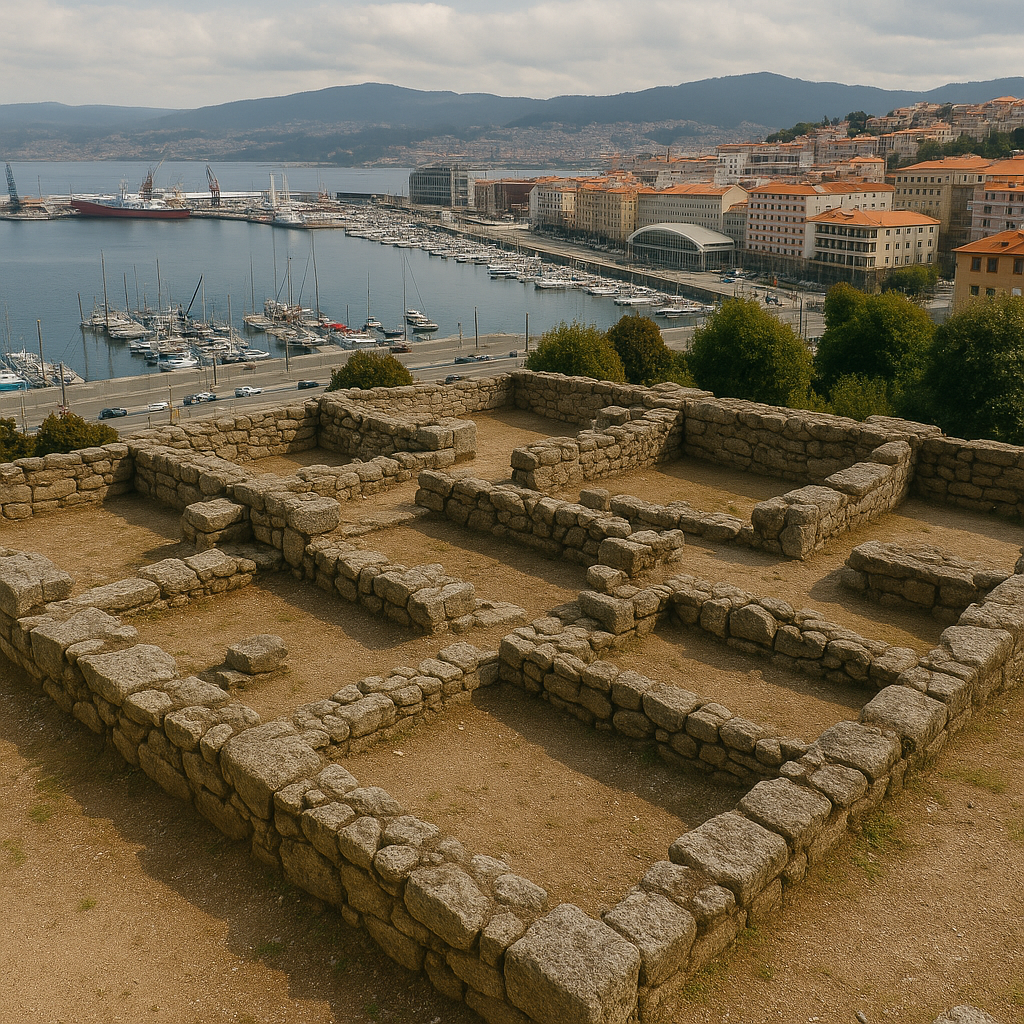
Situated between the maritime connections of Bracara Augusta (Braga) and Lucus Augusti (Lugo), Vicus Spacorum benefited from the sheltered estuary, its proximity to the Miño River, and its fertile surroundings. It contained rural villas, storage structures, and spaces dedicated to fish processing, as shown by the archaeological remains discovered in areas such as O Areal, O Castro, and Rosalía de Castro Street.
With the fall of the Roman Empire, the name Vicus Spacorum disappeared from formal records. However, the population did not vanish, and the toponym evolved over the centuries, passing through forms such as Bico and Vico, until it became consolidated as Vigo in the medieval period.
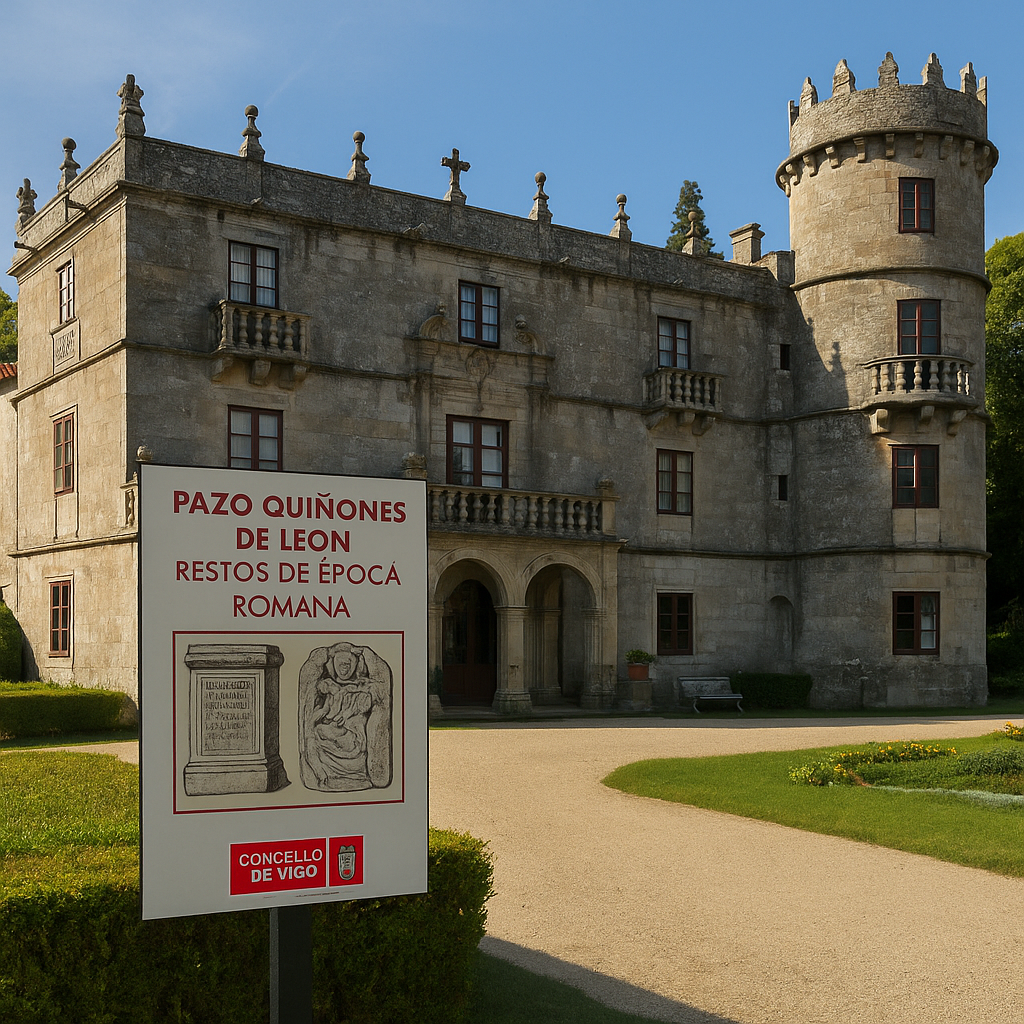
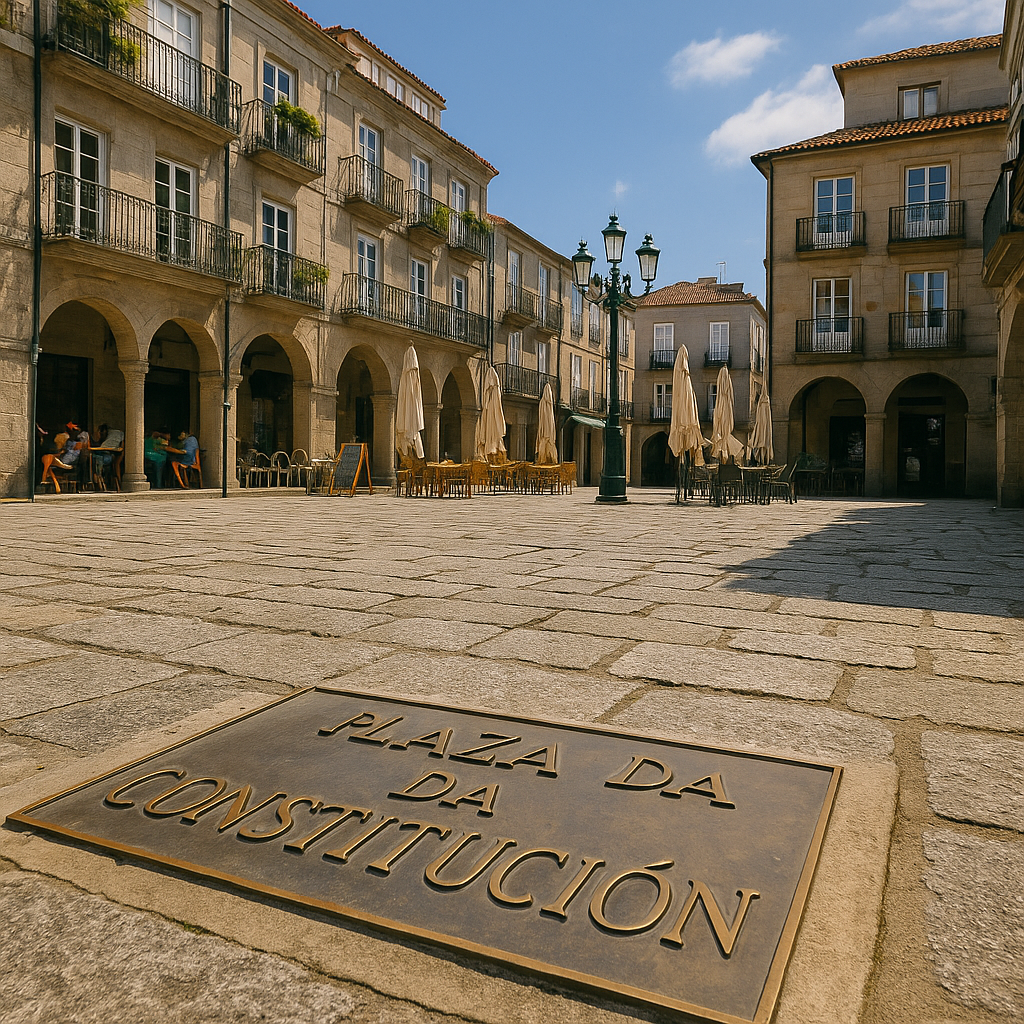
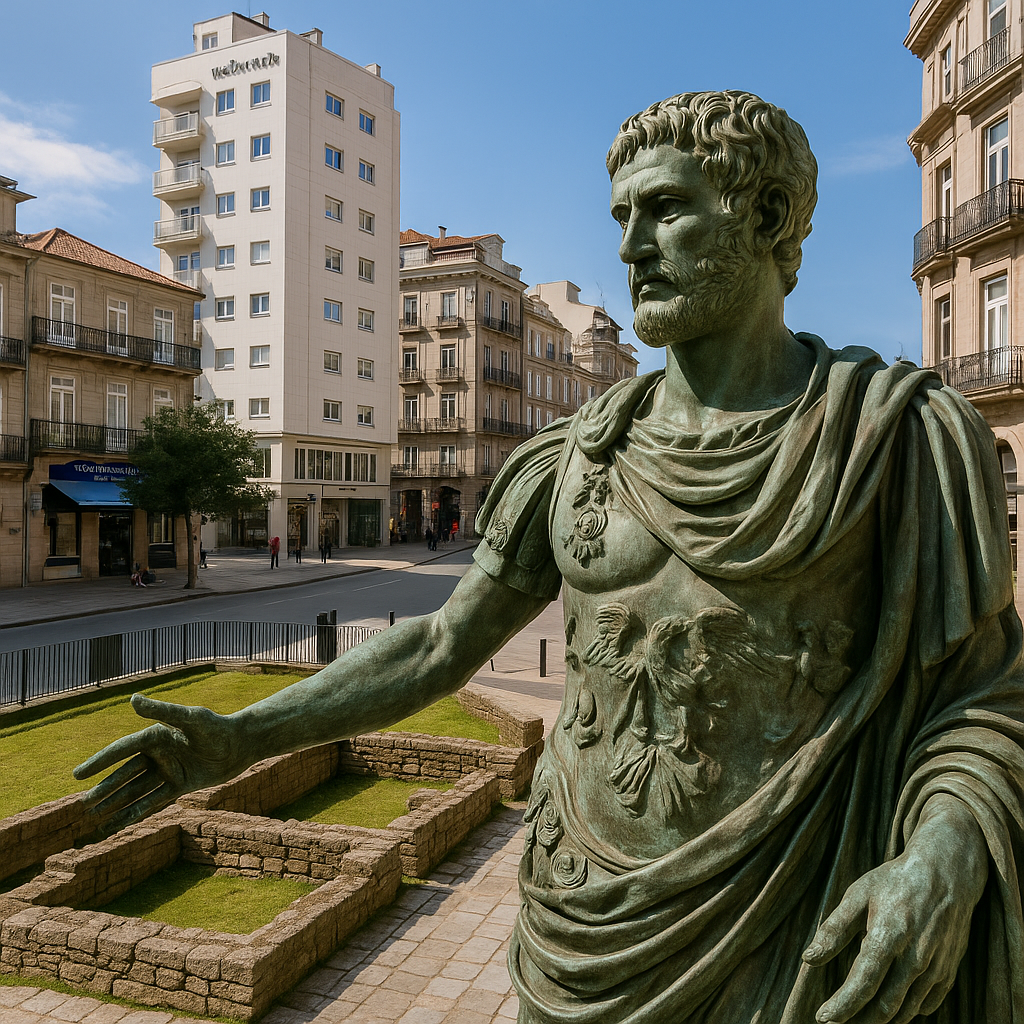
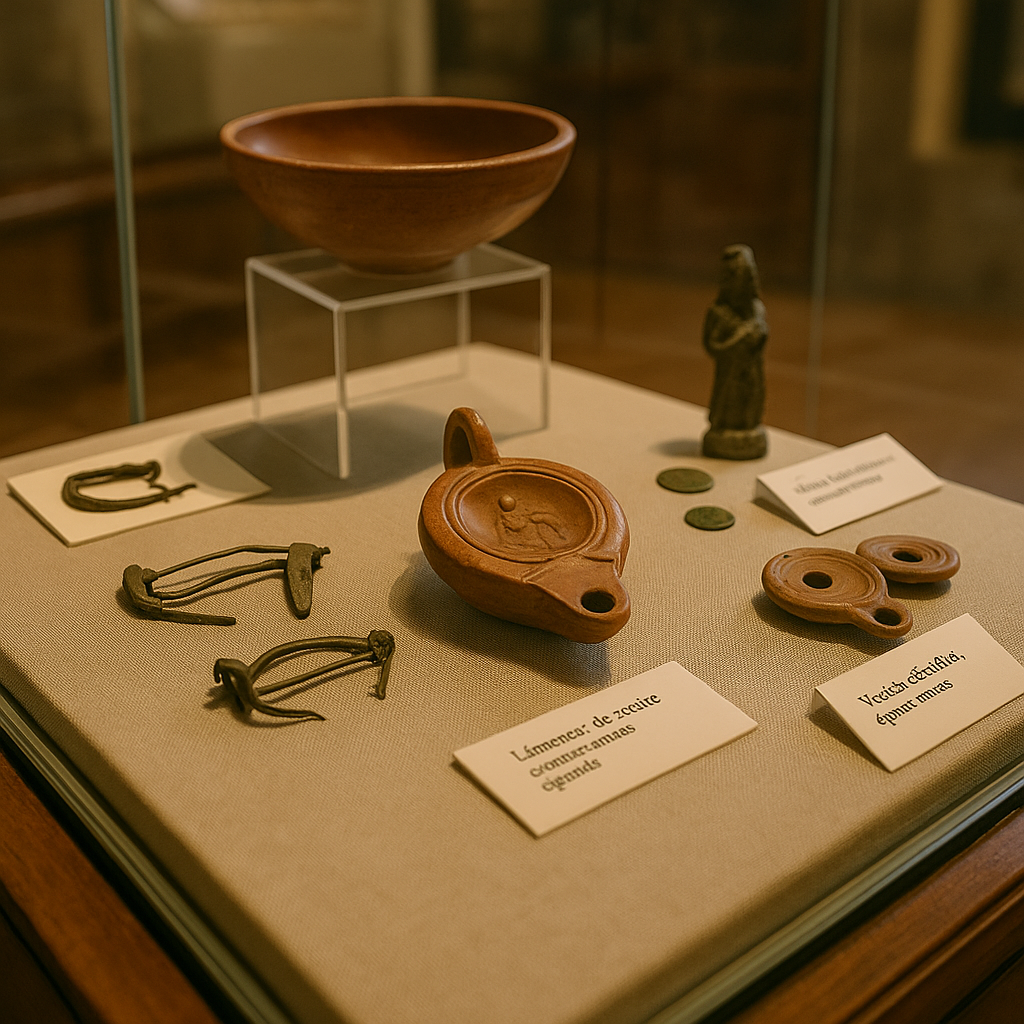
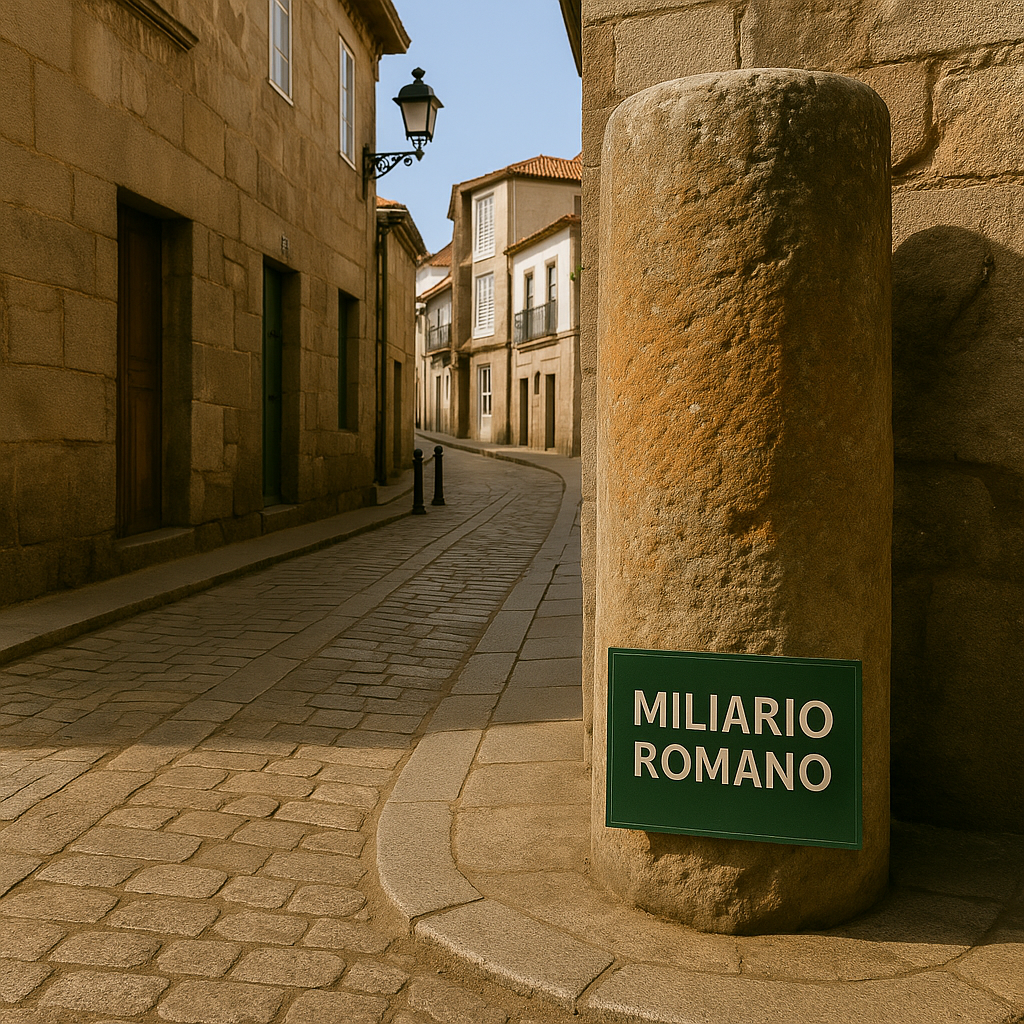
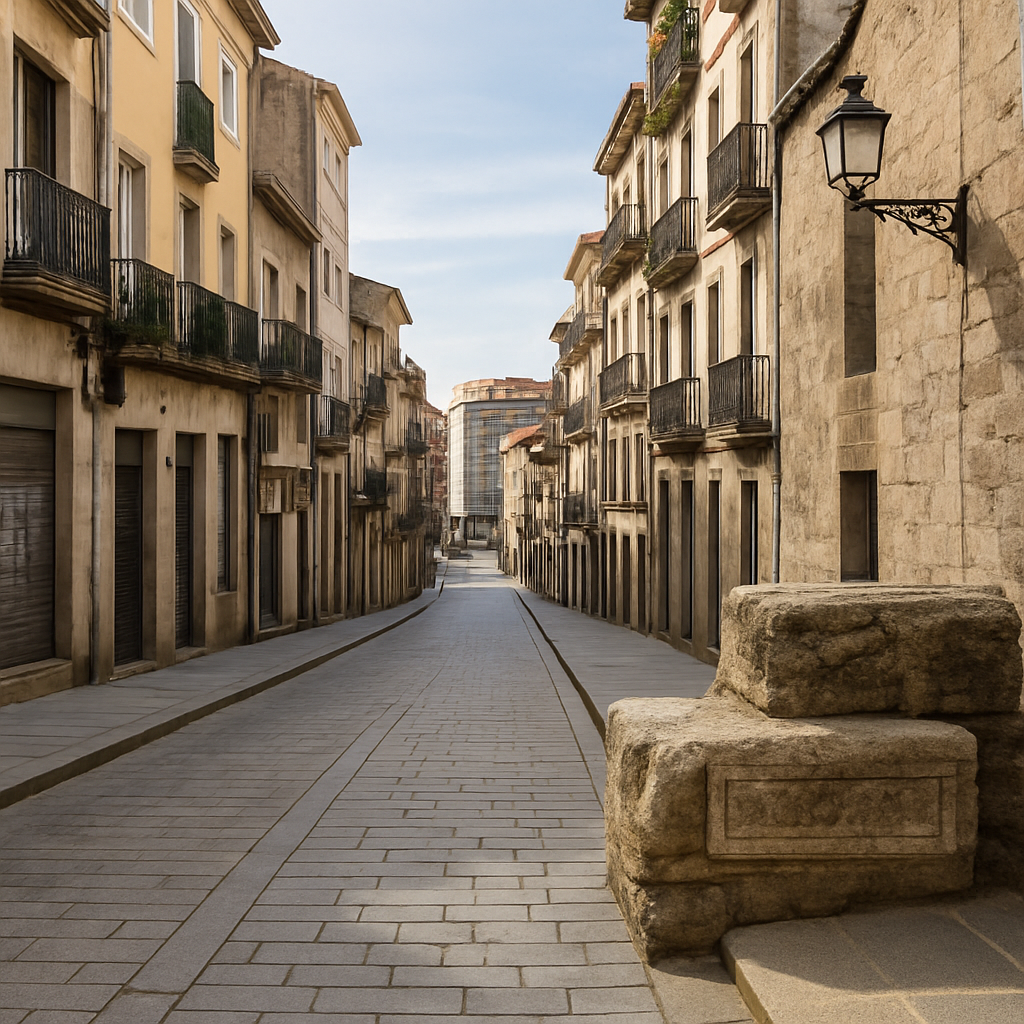
Today, beneath the modern urban layout, the Roman presence persists. Fragments of walls, ceramic remains, columns, and hydraulic structures survive in basements, local museums, and occasional excavations. Vigo rises upon a Roman root deeper than many imagine.
The crossing
Chapter 21
…To calm his tantrum, it was necessary to promise him that they would make a two-day stop off the coast of Vicus Spacorum…
Did you know…?
🔹On Rosalía de Castro Street, Roman fish-salting structures were discovered, built with local stone and opus caementicium, identical to those of other imperial coastal factories.
🔹Monte do Castro, today a green space in the city center, preserves beneath the ground the foundations of a Roman villa that overlooked the estuary.
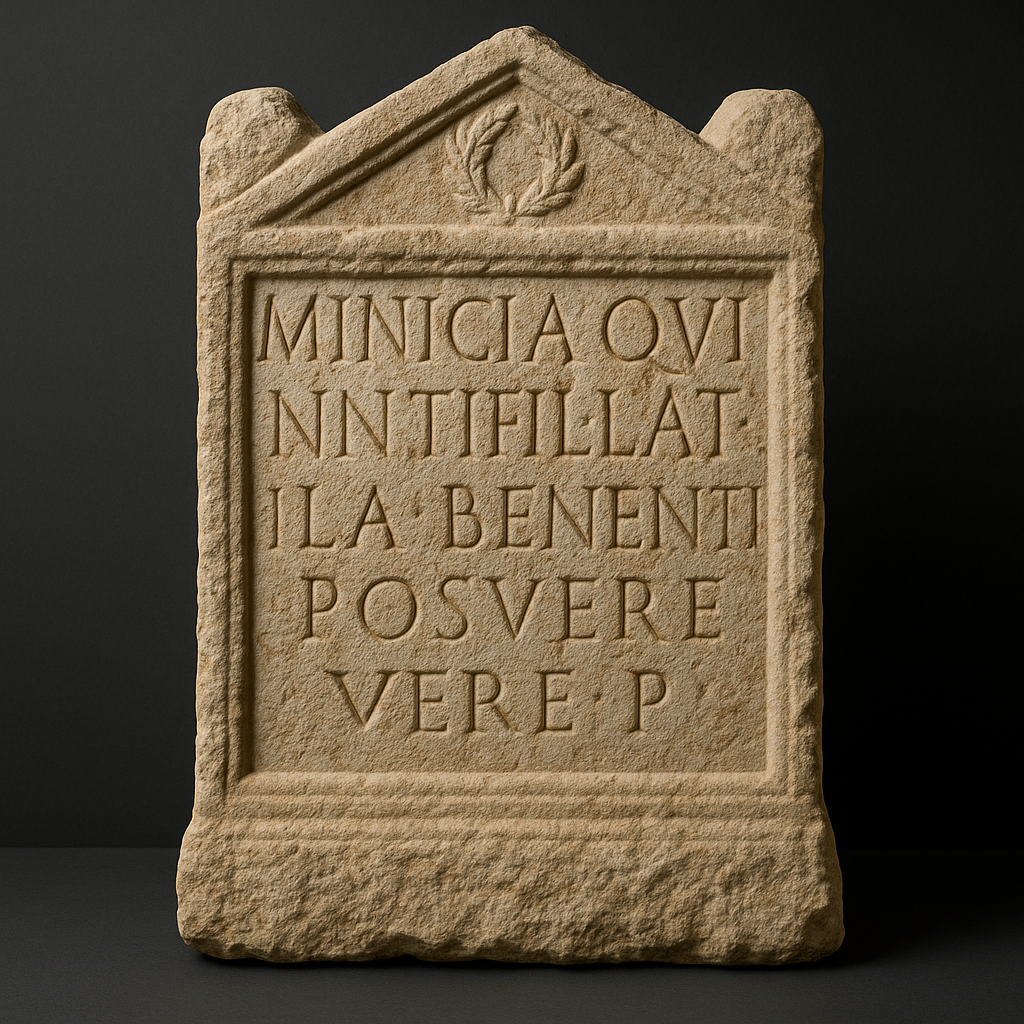
🔹Several funerary inscriptions found near the port confirm the presence of established families and prolonged commercial activity during the 1st to 3rd centuries.
🔹The transition from Vicus Spacorum to Vigo is a phonetic evolution documented over centuries, as happened with other ancient vici of the peninsula.

 EN
EN  ES
ES  FR
FR