Olissippo (Lisbon)

The Roman Gateway to the Atlantic
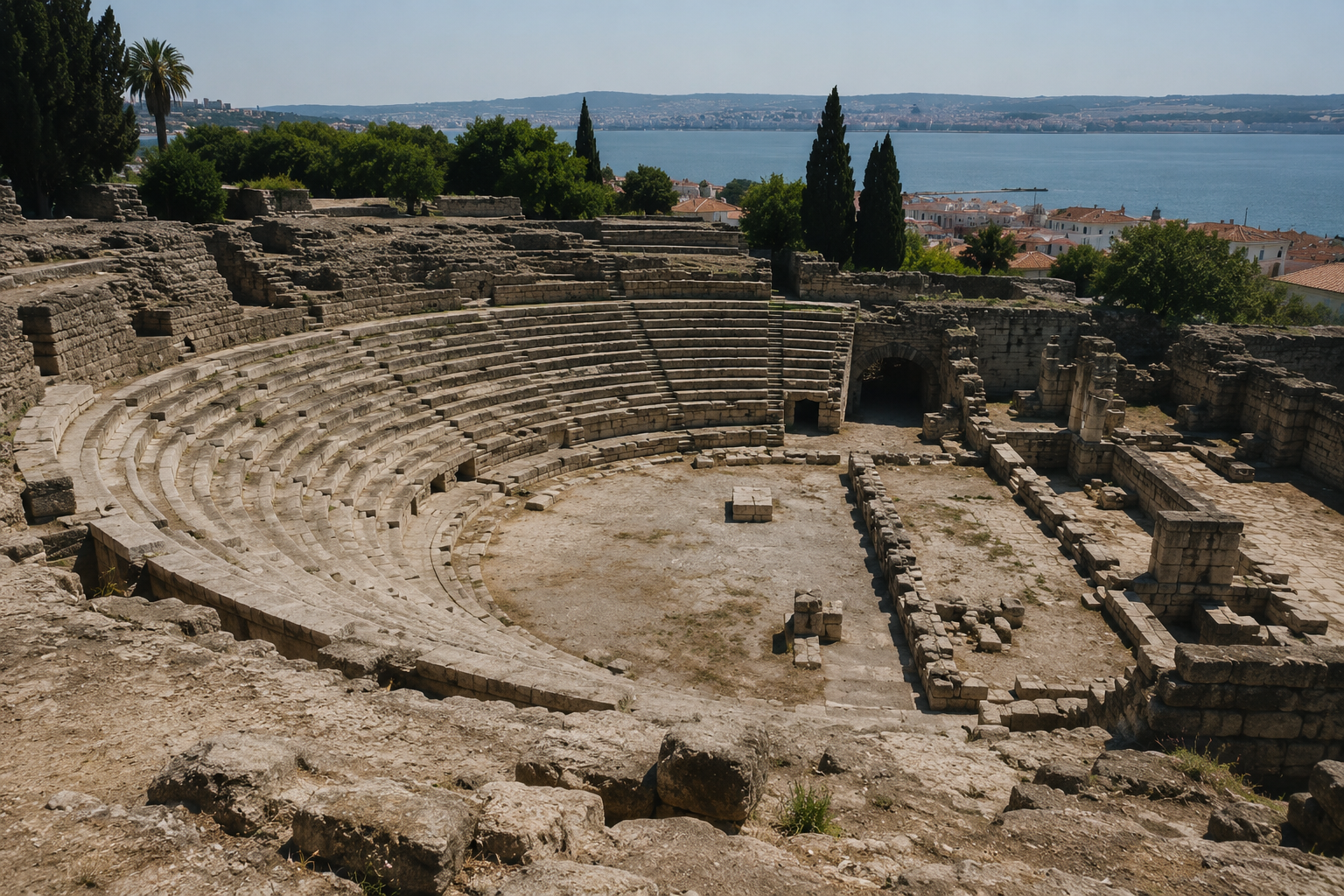
Long before becoming the capital of Portugal, Olissipo was one of the principal ports on the Atlantic coast of the Roman Empire. Located at the mouth of the Tagus River (Tagus), its privileged position made it a regular stop for ships sailing between Hispania, Gaul, Britannia and the rest of the Mediterranean. Its vast estuary provided a natural shelter from the Atlantic Ocean and encouraged the growth of a city closely linked to maritime trade.
The port was the true heart of the city. From its quays, goods travelled up the Tagus into the interior of Lusitania or continued along the Atlantic trade routes, making Olissipo one of the leading commercial centres on the western coast of Hispania. Incorporated into the province of Lusitania, the city received the official name Felicitas Julia Olissipo, reflecting the importance it attained during the time of Julius Caesar. It also became known for its production of salted fish and garum, highly valued throughout the Empire, as well as for its strategic position along these maritime routes.
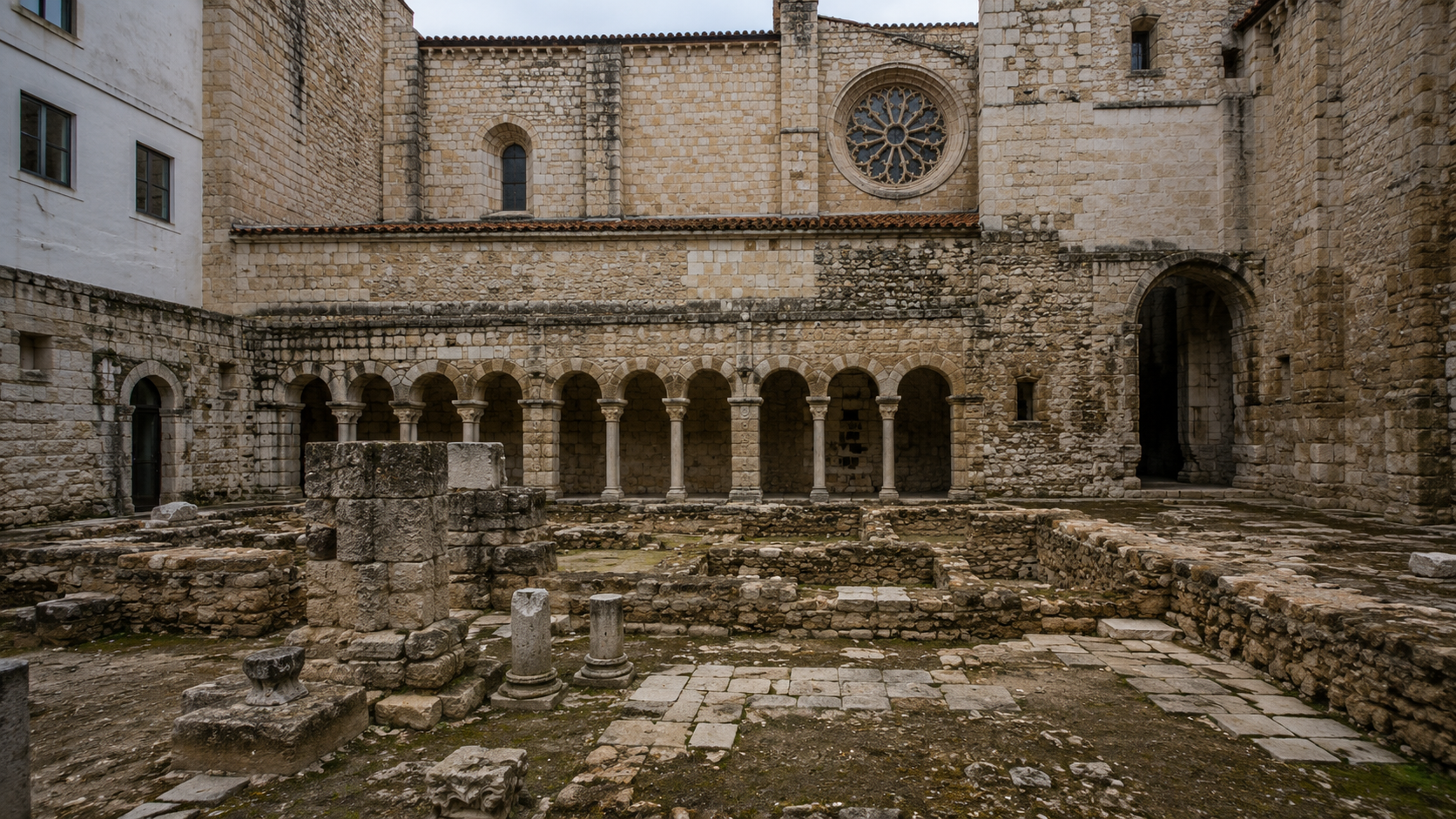
During the 1st century AD, Olissipo experienced a period of prosperity driven by this trade, making it one of the most important cities of Roman Lusitania. Although Romanisation was extensive, the population retained part of its Lusitanian heritage. It is in this setting that, after several days of sailing, the protagonists disembark the Lusitanian before continuing their journey towards Vicus Spacorum.
The crossing
Chapter 21
…Three days later, they reached the shores of Olissipo, the place chosen by the Lusitanian to be put ashore…
Did you know…?
🔹Olissipo minted its own coinage before and during the early stages of Roman rule, evidence of the economic importance the city had already attained.
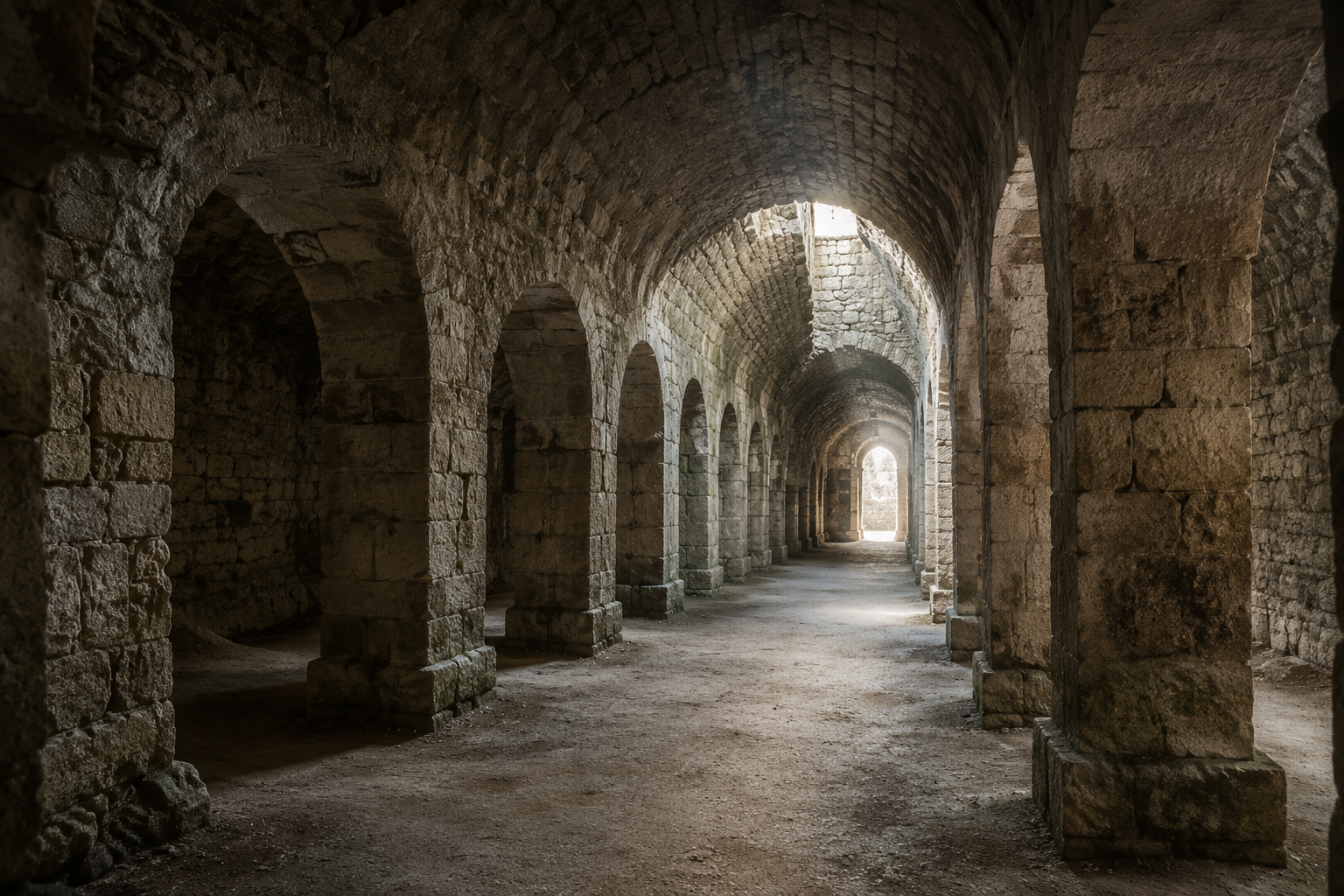
🔹Beneath Lisbon’s historic centre, ancient fish-salting factories have been discovered whose tanks still preserve remains of the Roman waterproof lining known as opus signinum.
🔹Olissipo had public baths known as the Baths of the Cassii, whose name was recorded in a Roman inscription. The building continued to be used for centuries and was officially restored in AD 336.
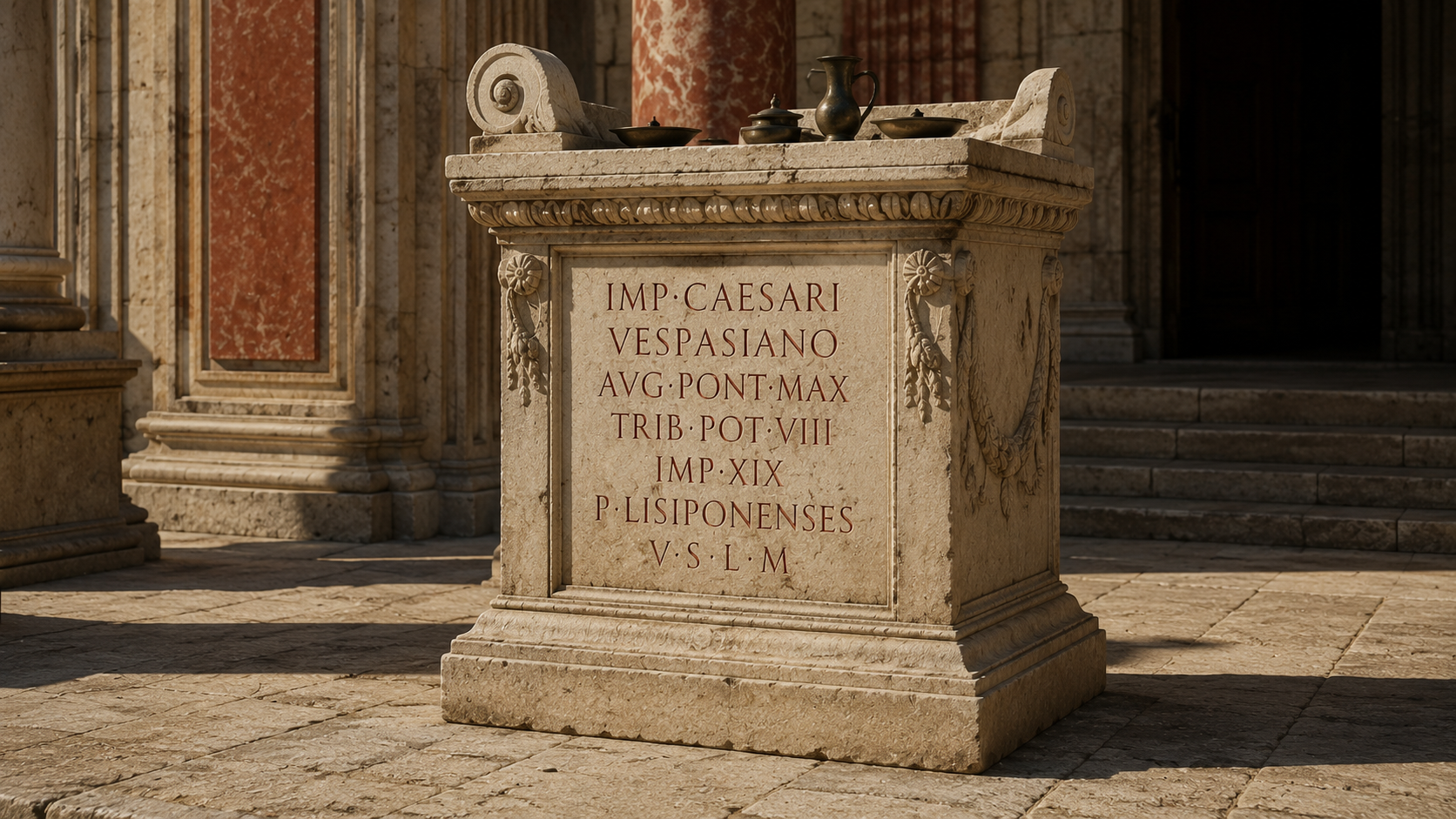
🔹In Lisbon, inscriptions related to eastern cults and the imperial cult have been recovered, evidence of the religious diversity of ancient Olissipo.

 EN
EN  ES
ES  FR
FR