Garum

La salsa fermentada del Imperio
Garum was a sauce made from fish viscera fermented in the sun, highly valued in the Roman world for its intense flavor and unique properties.
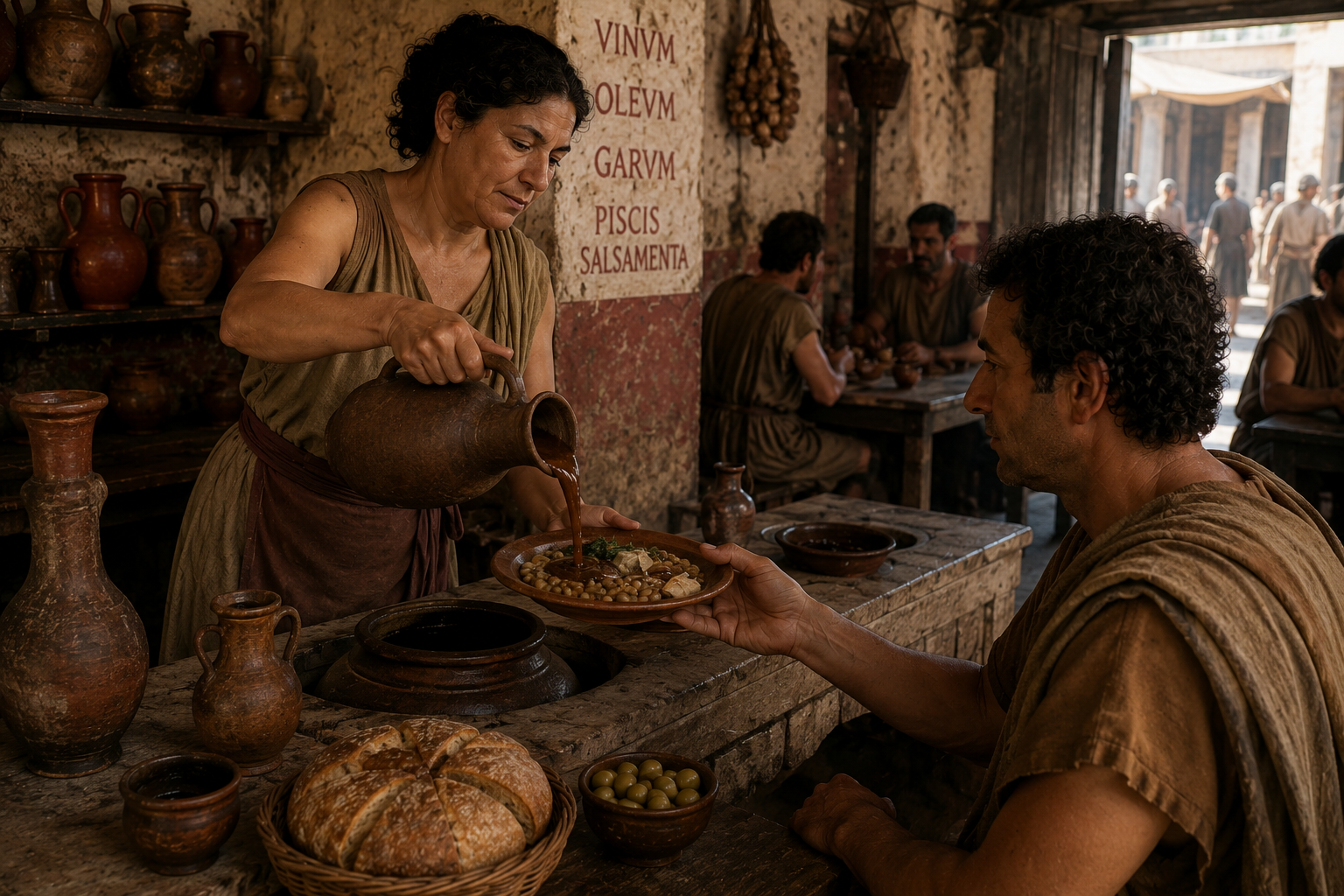
Considered an aphrodisiac food, garum was consumed mainly by the upper classes of society. It replaced salt in many preparations, adding a salty and complex flavor. It was also mixed with wine, vinegar, pepper, oil, blood, or water to season meats, fish, and other delicacies.
Beyond cooking, garum had medicinal and cosmetic uses, and was the subject of intense trade throughout the Empire. Major production centers have been documented in:
- Baelo Claudia (Spain),
- Carthago Nova (Cartagena),
- Pompeii (Italy), and
- Lixus (Morocco),
all of them close to the sea and strategically located for the product’s distribution.
📜 Classical sources
- Apicius, author of the culinary treatise De re coquinaria, mentions garum 42 times, both alone and mixed with other ingredients.
- Marcial, in his Epigrams, makes ironic remarks about the smell of garum and alludes to its supposed aphrodisiac effects.
- Pliny the Elder, in his Naturalis Historia, mentions it as a condiment, a remedy, and a commercial product.
Garum: origin, production, and legacy
📜 Origin
Garum has its origin in 4th century BC Greece, although it is suspected that it was already used earlier in Mesopotamia. The name comes from the Greek garon (mackerel) and refers to the fish whose viscera were used to make this fermented sauce.
Production
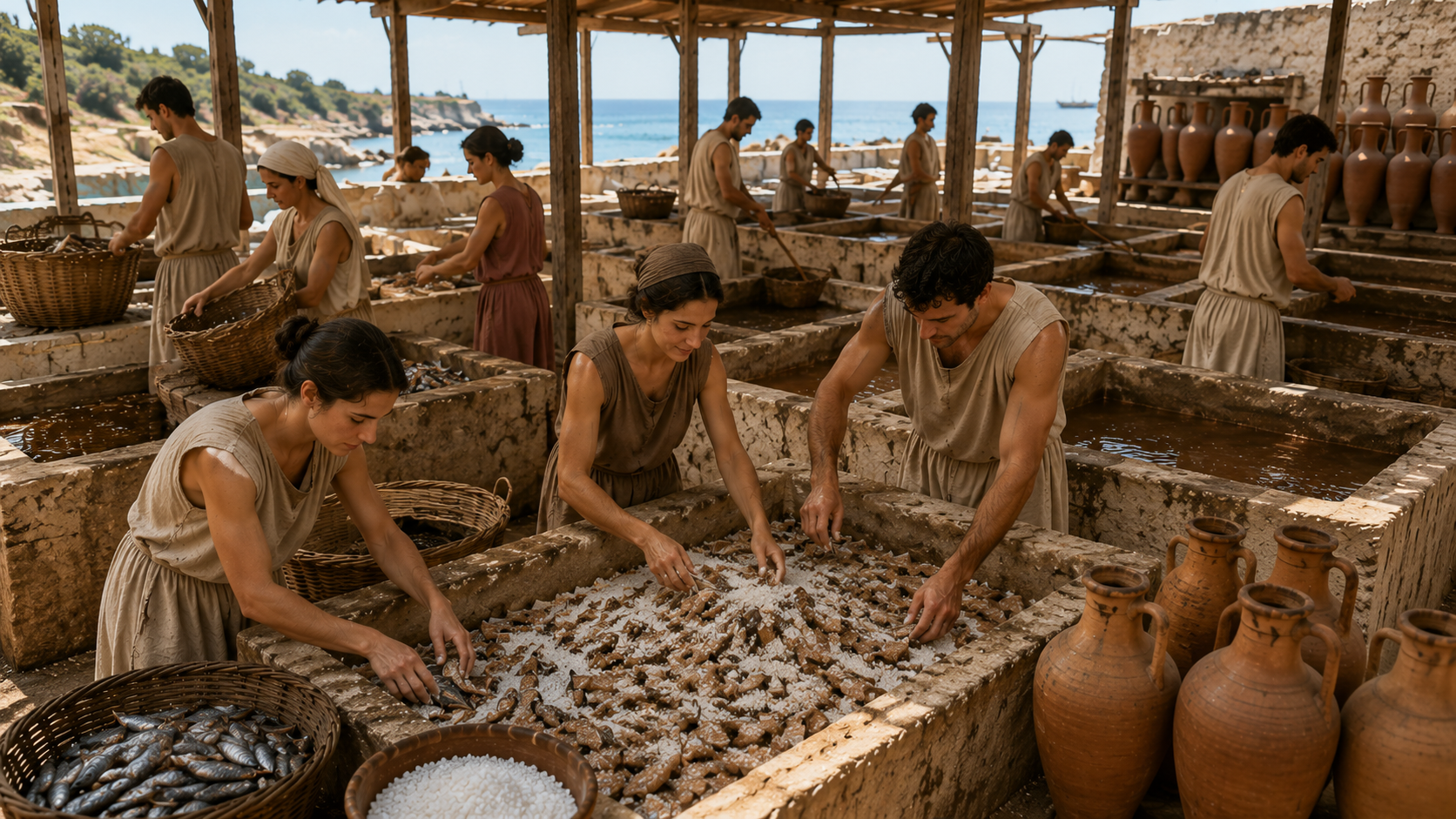
It was made with the viscera of fatty fish macerated in brine and exposed to the sun. The mixture, often enriched with herbs such as mint or coriander, was stirred several times a day until it acquired a liquid consistency.
Once ready, it was filtered: the resulting liquid—the liquamen—was the most valued and expensive part, although the rest was also marketed.
Production in Hispania
Hispania was one of the main production and export centers of garum in the Empire. Among the most notable factories were those of:
- Baelo Claudia (Bolonia, Cádiz)
- Sexi (Almuñécar)
- Carteia (San Roque)
- Málaga (Alcazabilla Street, Carmen Thyssen Museum, Rectorate, Metro)
- Ceuta (Palmeras Promenade)
- Mazarrón (Region of Murcia)
- El Majuelo (Almuñécar)
- Gigia (Gijón)
- Menorca and Mallorca, specialized in export
- Carthago Nova (Cartagena), one of the main export ports
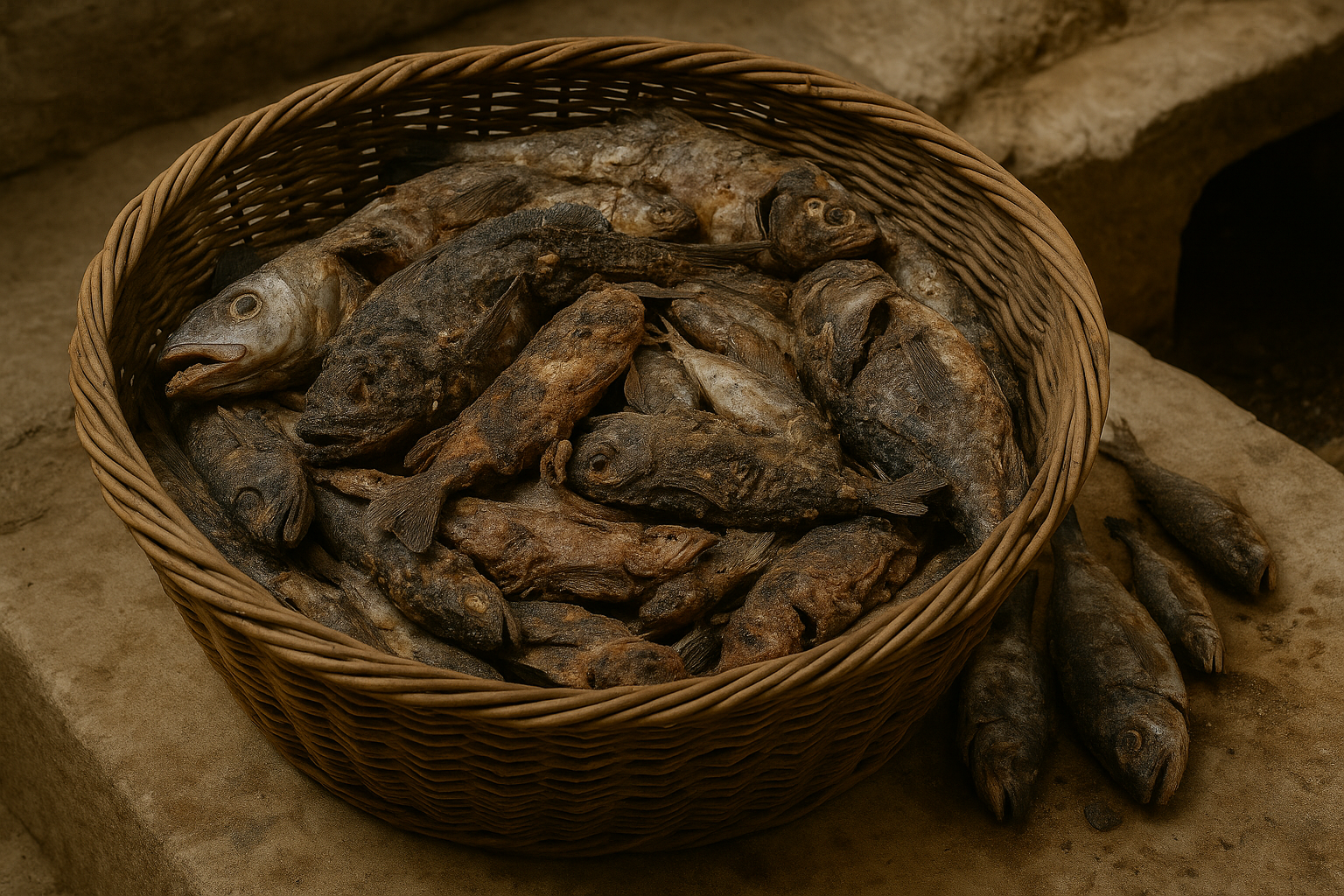
Archaeological studies indicate that anchovy was the most commonly used fish, followed by sardine, horse mackerel, mullet, rock brotula, mackerel, turbot, and bluefin tuna.
Silva Urbem
Chapter 18
…Do you know what garum is? They put it on almost everything.
—I do, but I don’t mind. In fact, I’m curious —Enériz assured…
Did you know…?
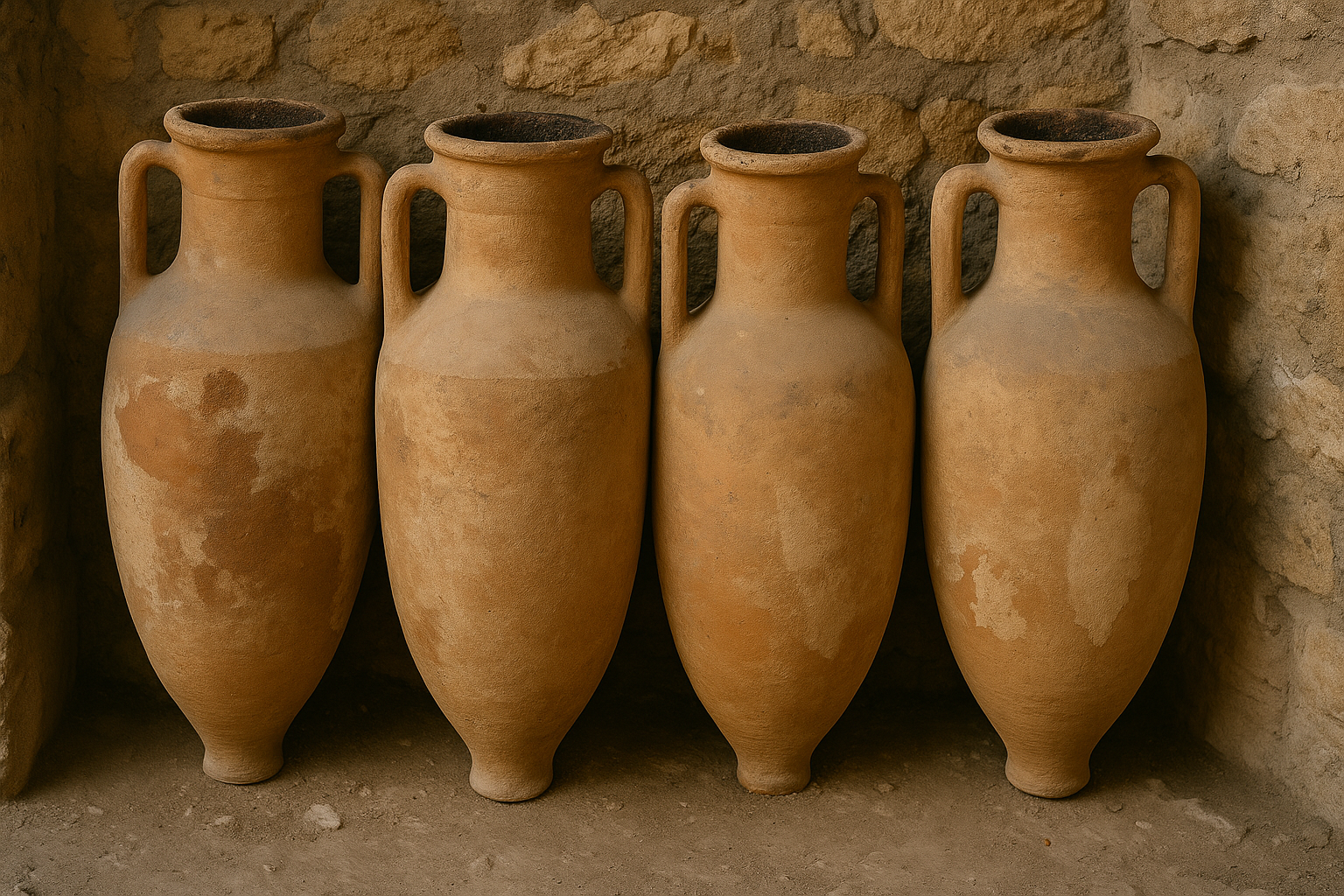
🔹In Pompeii, sealed amphorae with perfectly preserved garum have been found, with inscriptions indicating the species of fish used, the quality of the product, and its origin. Some producers even signed their amphorae as an early form of personal brand or guarantee of origin.
🔹Some varieties of garum were made exclusively with tuna blood or only roe, and were considered even more exquisite and expensive than conventional garum. These special versions were reserved for Rome’s wealthiest elites and were often destined for luxury banquets or diplomatic gifts.
🧱 Garum in archaeology and its modern legacy
Excavations in places like Baelo Claudia have revealed the facilities where garum was produced: processing rooms, fermentation vats, and storage and transport containers, many of them marked with inscriptions specifying the species of fish used, the quality of the product, and its place of origin. These facilities show the industrial scale its production reached, especially aimed at supplying Rome.
Experimental archaeology has made it possible to reproduce ancient garum from classical sources and material remains.
In 2014, the analysis of perfectly preserved garum in a Pompeii shop made it possible to obtain a precise historical recipe.
New findings in Baelo Claudia in 2015 complemented this research.
Currently, the Department of Food Technology at the University of Cádiz has promoted the creation of a company dedicated to reproducing and marketing this sauce, with a scientific and archaeological basis.
Beyond Hispania, garum was also produced in Byzantium and in Pompeii, where the famous garum Scaurus stood out, created by Umbricius Scaurus.
However, the most prestigious sauce in the Roman world was garum sociorum, originating from the south of the Iberian Peninsula and the Balearic Islands.

 EN
EN  ES
ES  FR
FR