Moretum

Aderezo rústico de la Antigua Roma
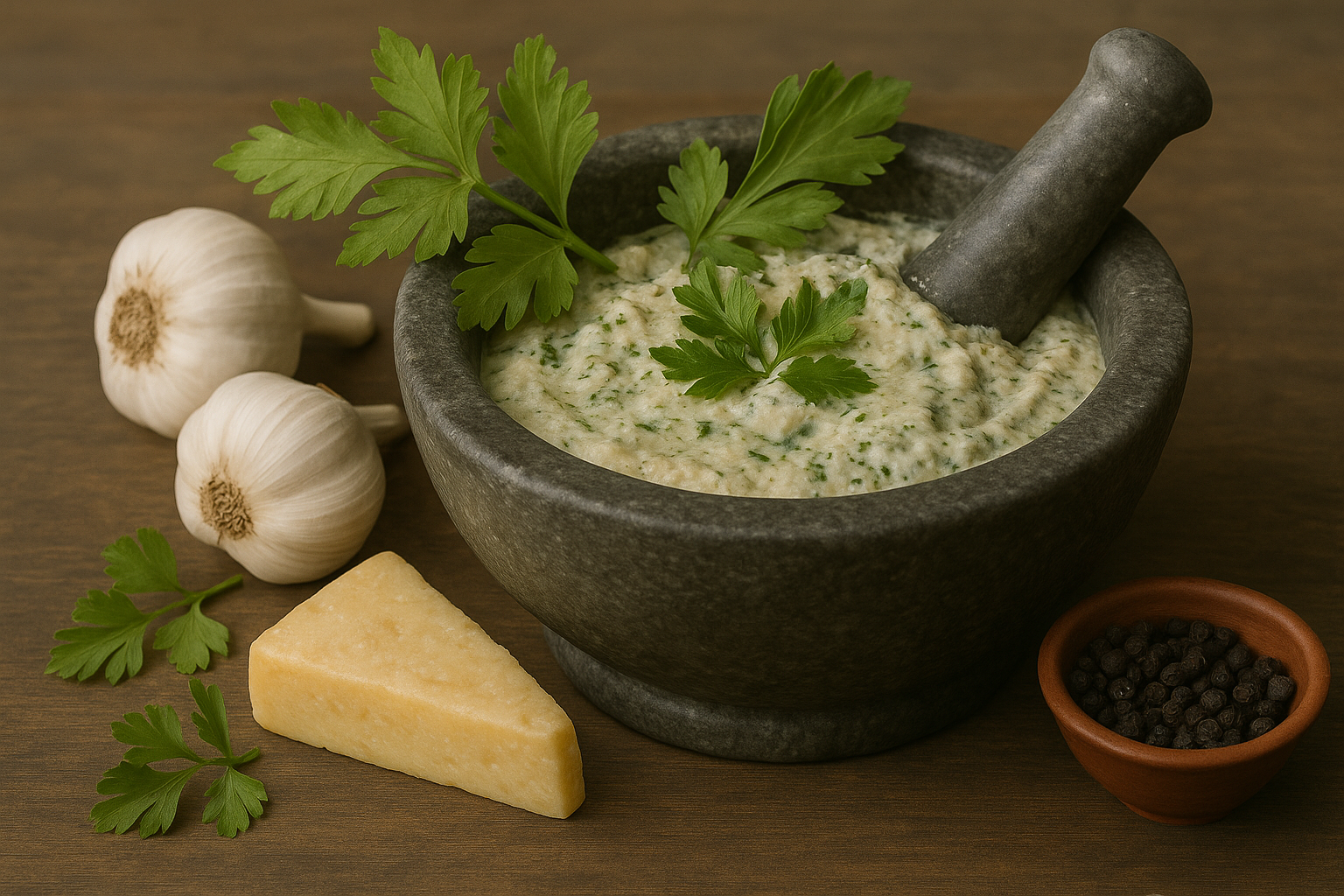
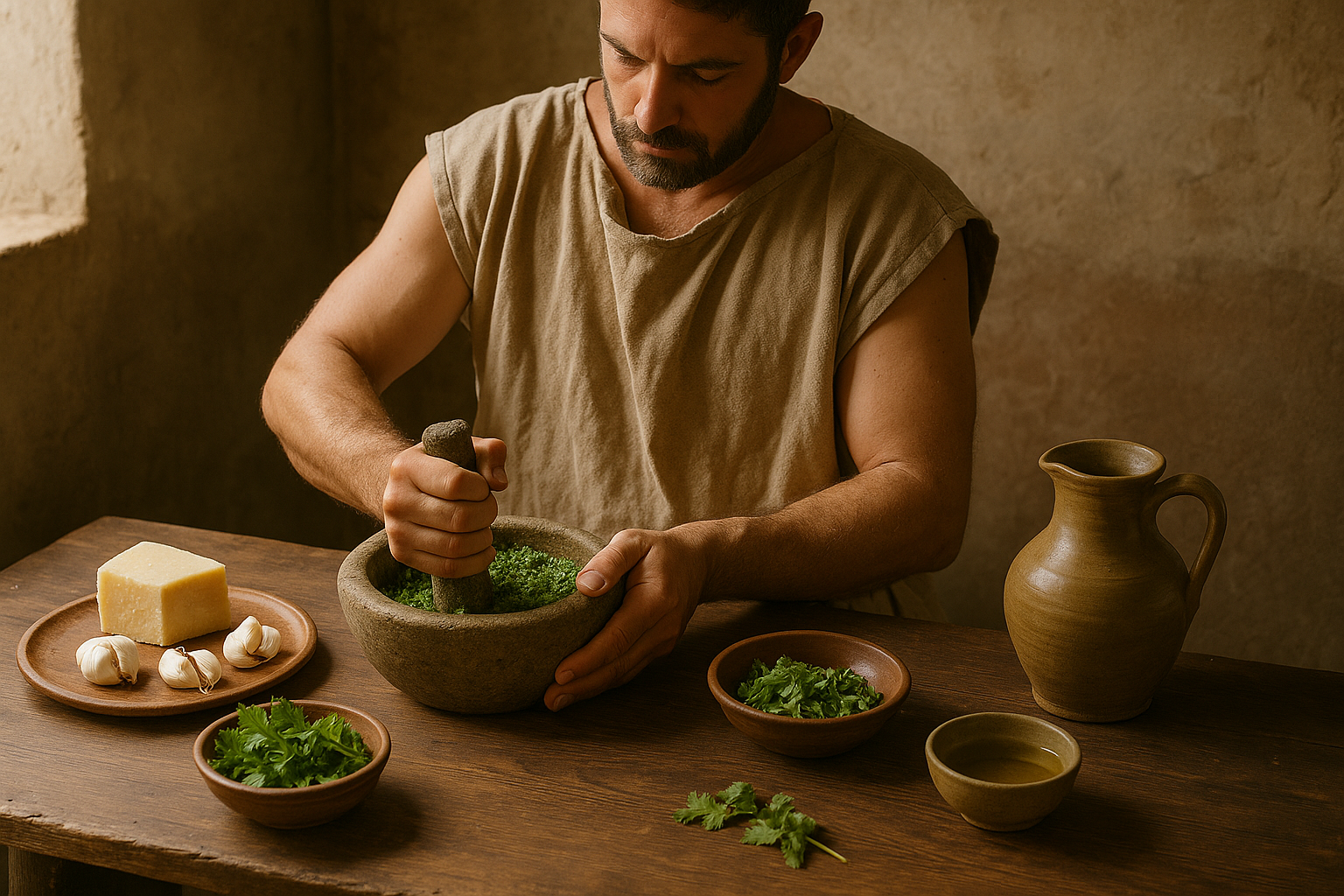
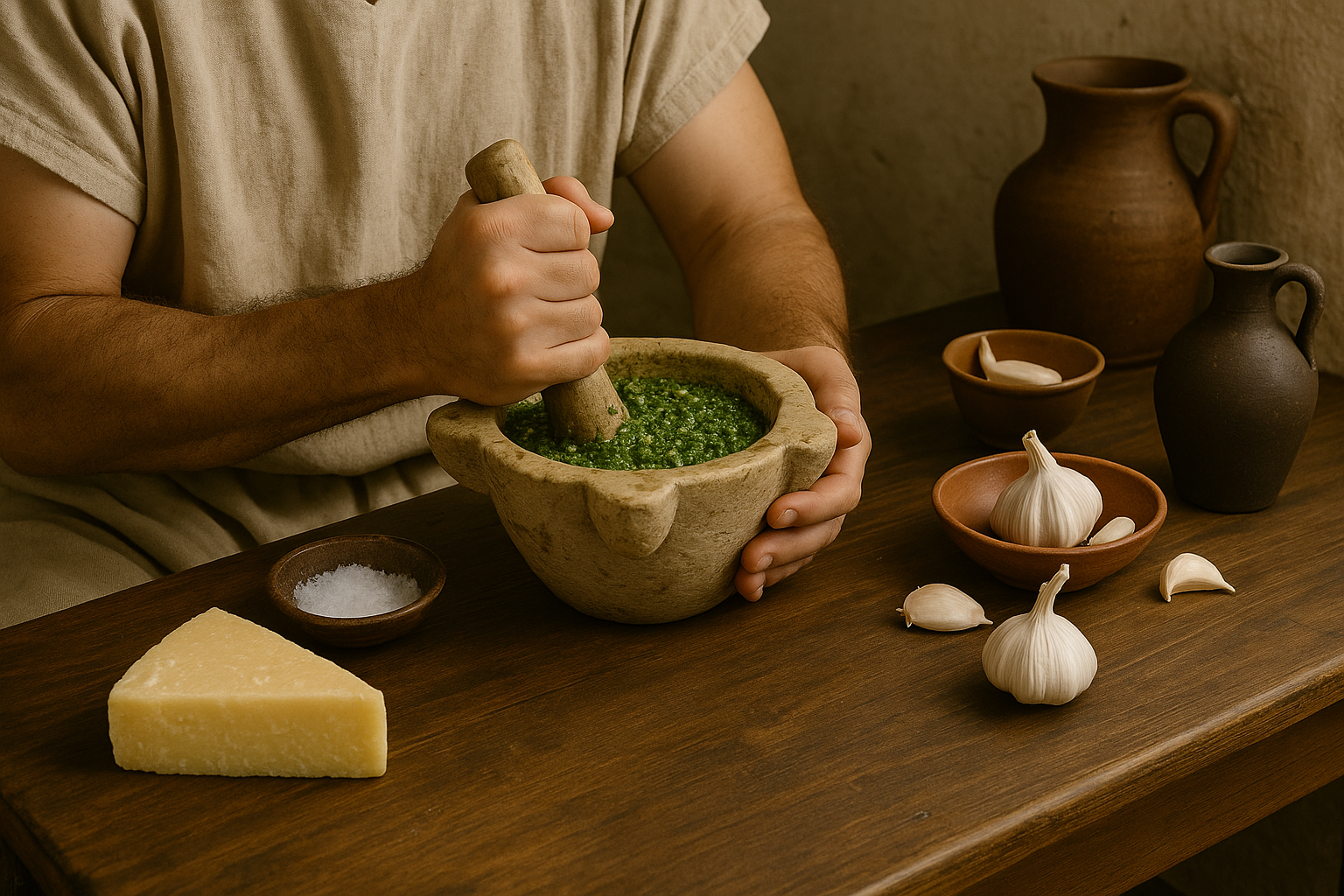
Moretum was a traditional seasoning of Ancient Rome, prepared as an accompaniment to various dishes. Its name derives from the Latin mortarium—the mortar—where all the ingredients were crushed.
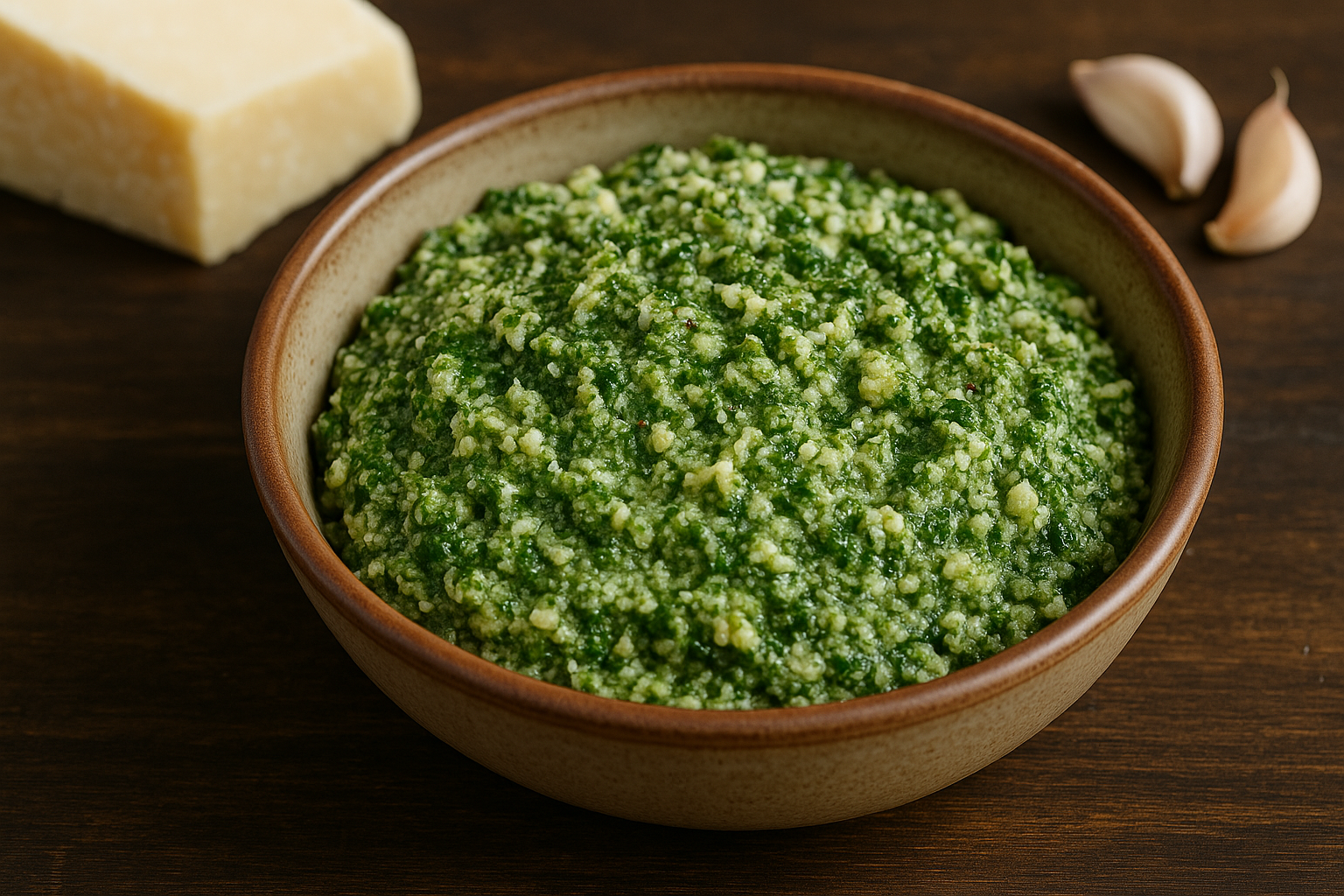
In the Appendix Vergiliana, a work attributed to Virgil, moretum is described as part of the peasant’s breakfast, made with aromatic herbs, garlic, cheese, vinegar, olive oil, and salt. The mixture resulted in a creamy paste, whose appearance the poet highlights in line 103:
color est e pluribus unus
(one single color composed of many)
During the 1st century, Lucius Junius Moderatus Columella, agronomist and gastronome, preserved in his treatise De re rustica a recipe for moretum similar to Virgil’s.
Silva Urbem
Chapter 18
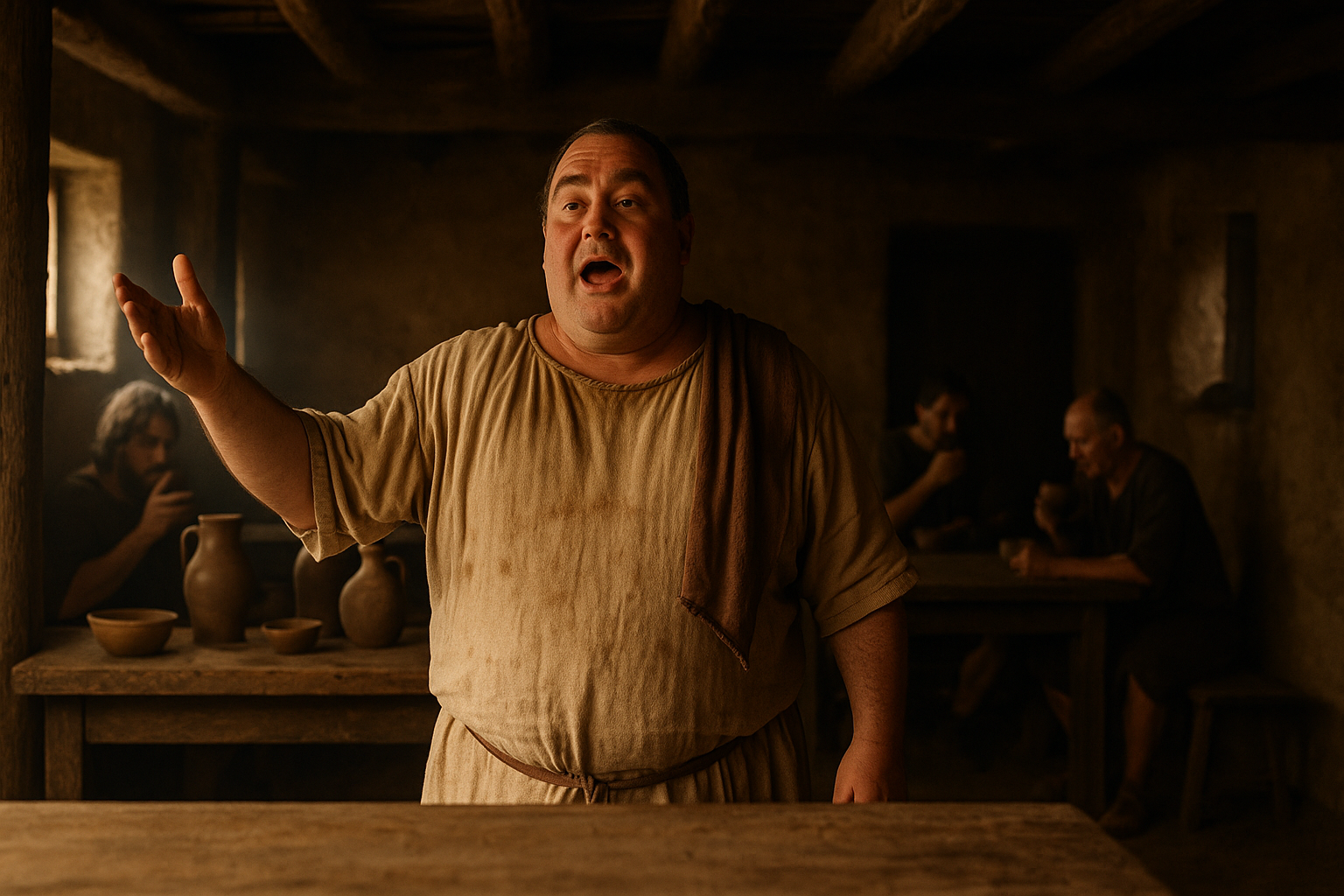
…—Today we have lentils with chestnuts, cabbage with olives, an excellent moretum, roast suckling pig… —the innkeeper was announcing.
—A lot of everything for me! A lot of everything! Today I’ve got a hell of an appetite —interrupted Dietrich, shouting in German, while slapping the wooden table impatiently…
Did you know…?
🔹Apicius’s book De re coquinaria includes a recipe entitled Moretaria that introduces aromatic herbs, but omits the cheese and garlic characteristic of Virgil’s moretum.
🔹Both moretum and moretaria derive from the mortarium, the vessel used to crush herbs and spices.
Recipe from the Appendix Vergiliana
Ingredients:
- Celery
- Rue
- Coriander
- Garlic
- Hard salty cheese
- Salt.
Preparation:
Grind the celery, rue, and coriander in a mortar.
Add salt, garlic, and hard cheese.
Soften the final mixture with olive oil and vinegar.

Recipe from book De re coquinaria
Ingredients:
- 57 g celery seed
- 42 g laser root (or cumin or fennel)
- 57 g cheese
- 85 g pepper
- Honey
- Garum.
- Vinegar.
Preparation:
Grind the celery, pepper, laser root, and cheese in a mortar.
Mix with honey and dilute with garum and vinegar to taste.

 EN
EN  ES
ES  FR
FR