Mulsum

Vino especiado de la Antigua Roma
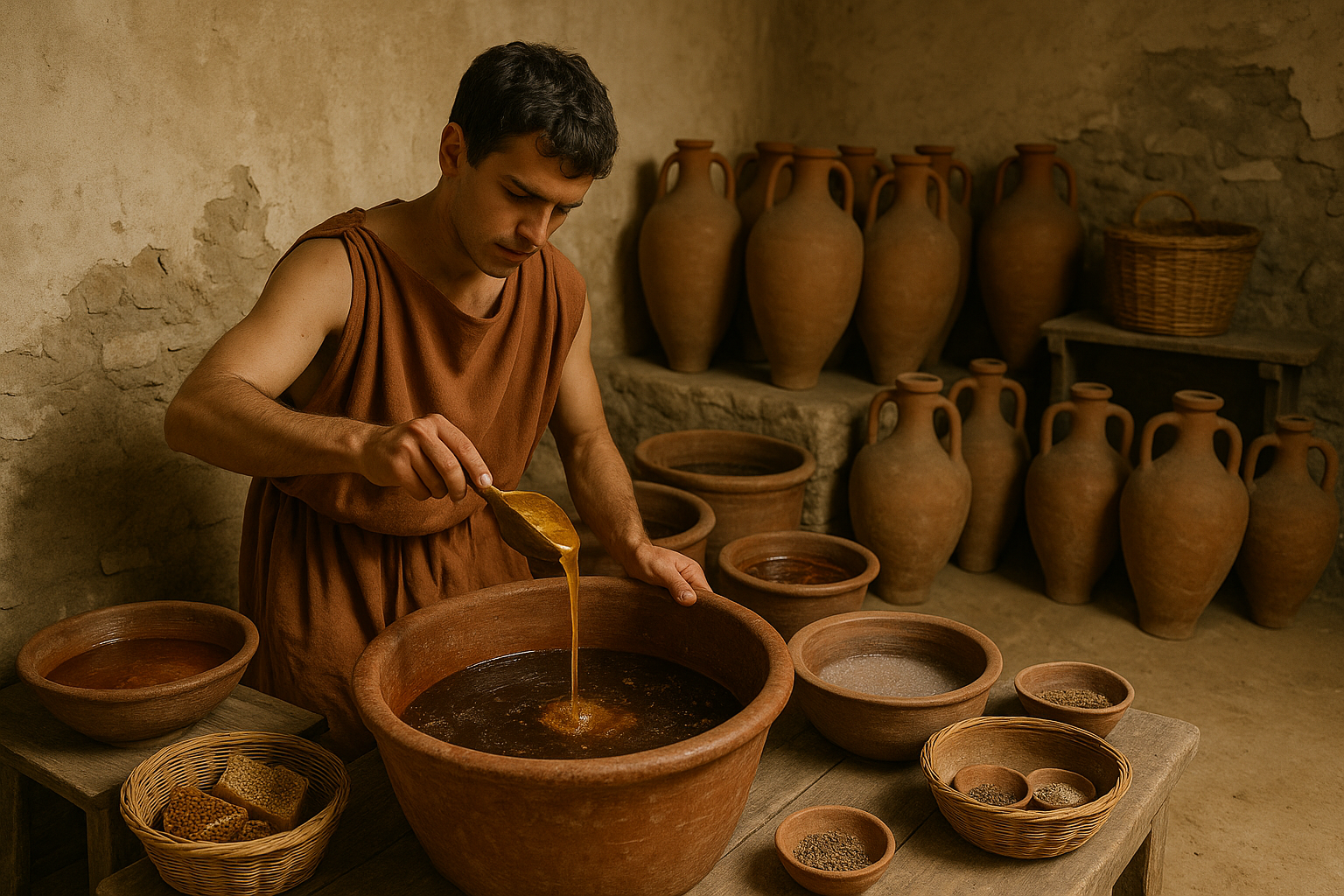
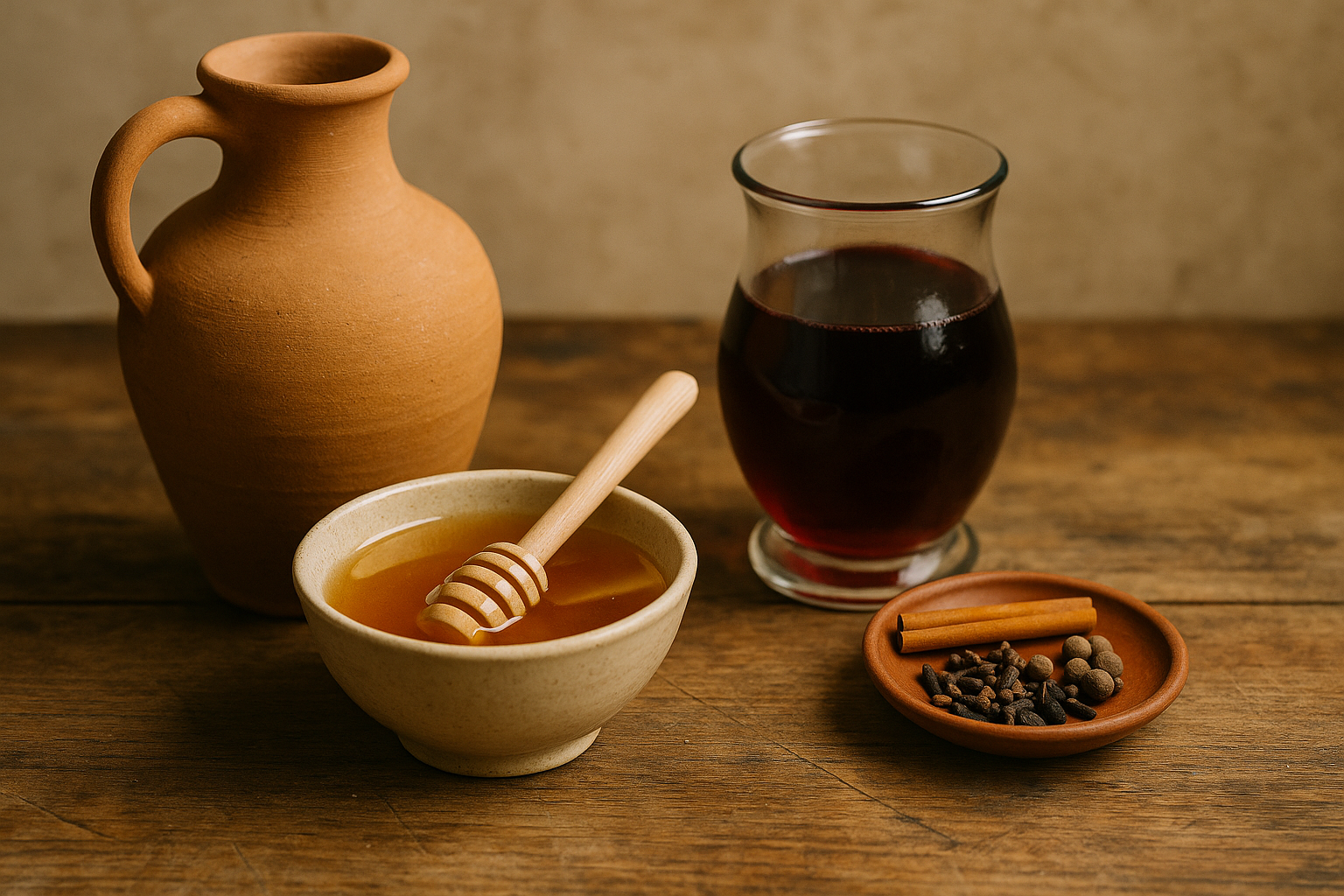
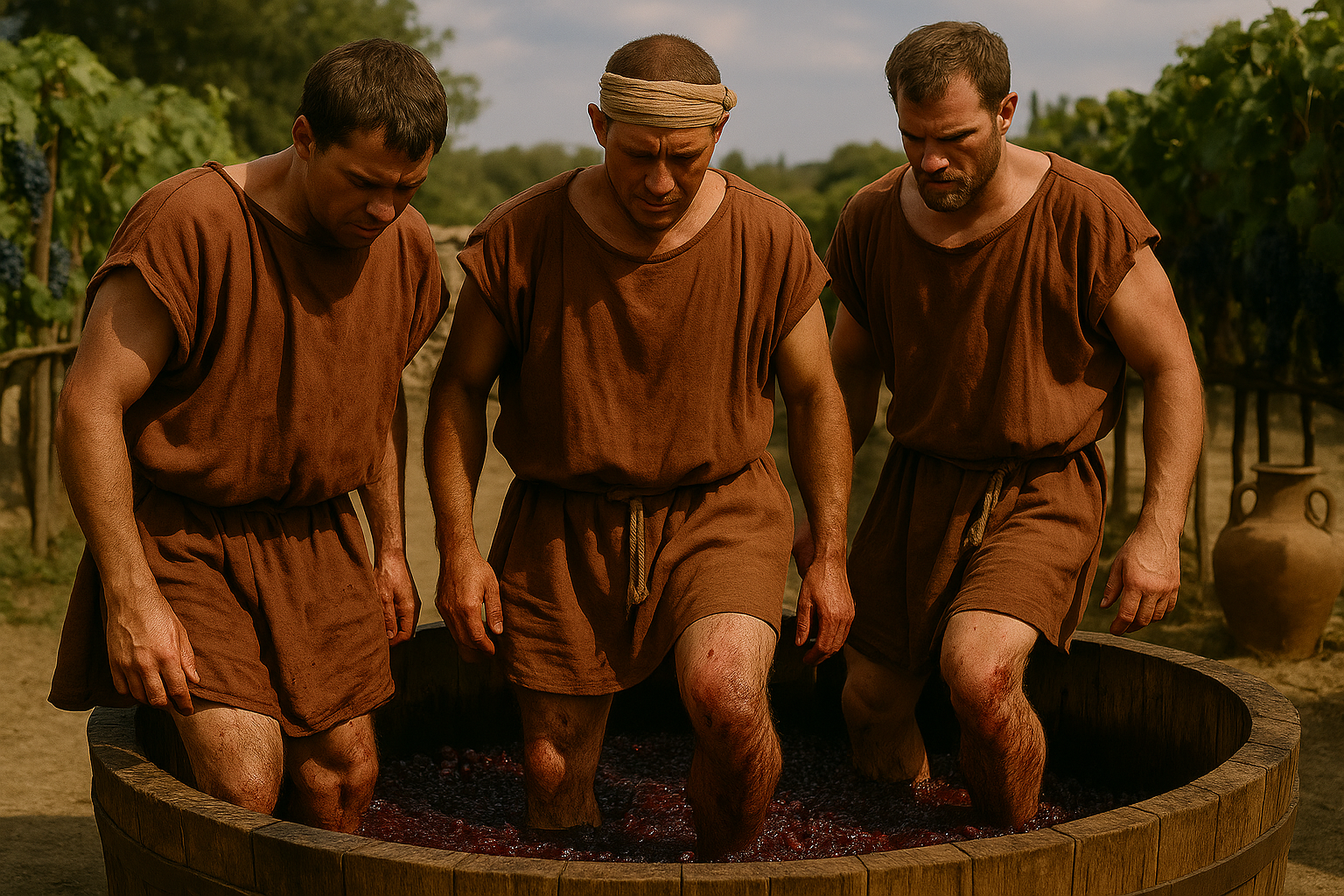
Mulsum was a mixture of wine and honey, very popular in Ancient Rome.
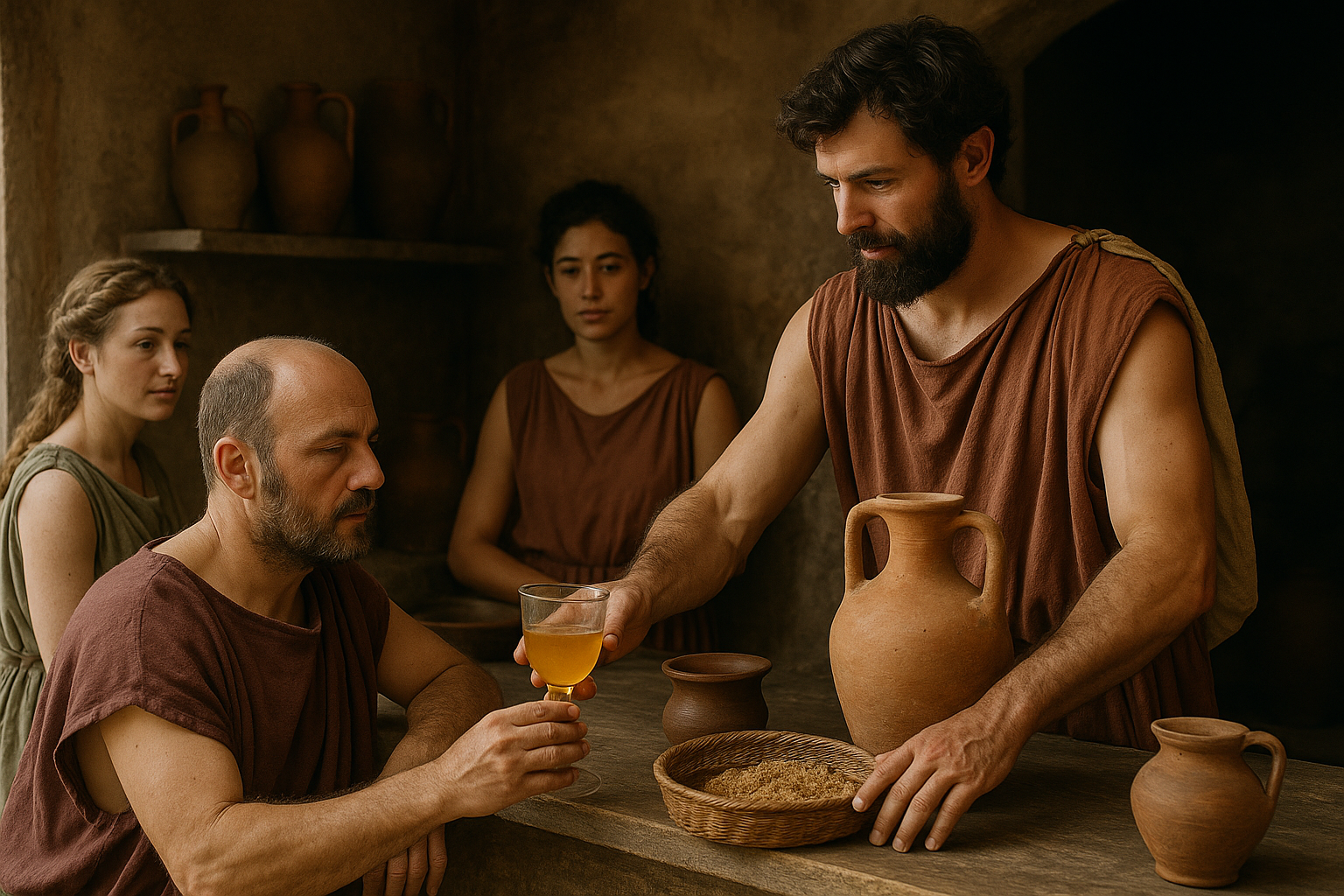
It was usually offered at the beginning of banquets and dinners as a welcome drink, especially among the upper classes, where it commonly accompanied the starters.
Its consumption was so deeply rooted that the gustatio (appetizer) often came to be known as promulsum —“before the mulsum.”—
Roman cuisine, fond of combining sweet, salty, sour, and spicy flavors, allowed this drink to be enjoyed from appetizers to desserts.
📜 Historical testimonies
- Lucius Junius Moderatus, better known as Columella, was a Roman agronomic writer of the 1st century. He described the recipe for mulsum in his treatise De re rustica, written around the year 42.
- Apicius, in De re coquinaria, offers a preparation that includes honey, wine, and pepper.
- According to Pliny the Elder, the long-lived Romilius Pollio attributed his good health to mulsum:
«Intus mulsum, foris oleum.» (Inside, mulsum; outside, oil.)
Recipe from the Roman cookbook De re coquinaria
Ingredients:
- Honey
- 4 or 5 peppercorns
- 1 bottle of wine.
Preparation:
- Grind the peppercorns finely.
- Heat the honey in a saucepan; before it boils, add the wine.
- Add pepper to taste.
- Serve at room temperature or refrigerate before serving.
Silva Urbem
Chapter 18
…Marcus Tullius smiled with satisfaction.
—That’s what I like. Would you like some mulsum while you wait for the meal?
Enériz had no idea what it was, but if it could be consumed, it would be welcome.
—Of course —he replied without hesitation…
Did you know…?
🔹Roman physicians recommended mulsum as a digestive remedy and appetite stimulant. It was commonly served on an empty stomach to convalescent patients, as the combination of wine, honey, and spices was believed to “open the stomach” and purify the blood.
🔹Pliny the Elder and Galen mention its use not only as a gastronomic pleasure but also as part of Roman medical dietetics.

Travel wine: Conditum melizomum viatorium
📜 Original text (Classical Latin): I CONDĪTVM MELIZOMVM VIATORIVM
Conditum melizomum viatorium was a fortified version of mulsum, designed to be better preserved during travel. It was made with wine, skimmed honey, and pepper, and stored in sealed jars for consumption on the road. It appears in De re coquinaria, a treatise attributed to Apicius (1st century).
It was prepared in small quantities, only as much as needed to drink, and its flavor could be adjusted by adding more honey or spices to taste.

 EN
EN  ES
ES  FR
FR