Darioritum (Vannes)

La capital olvidada de los vénetos
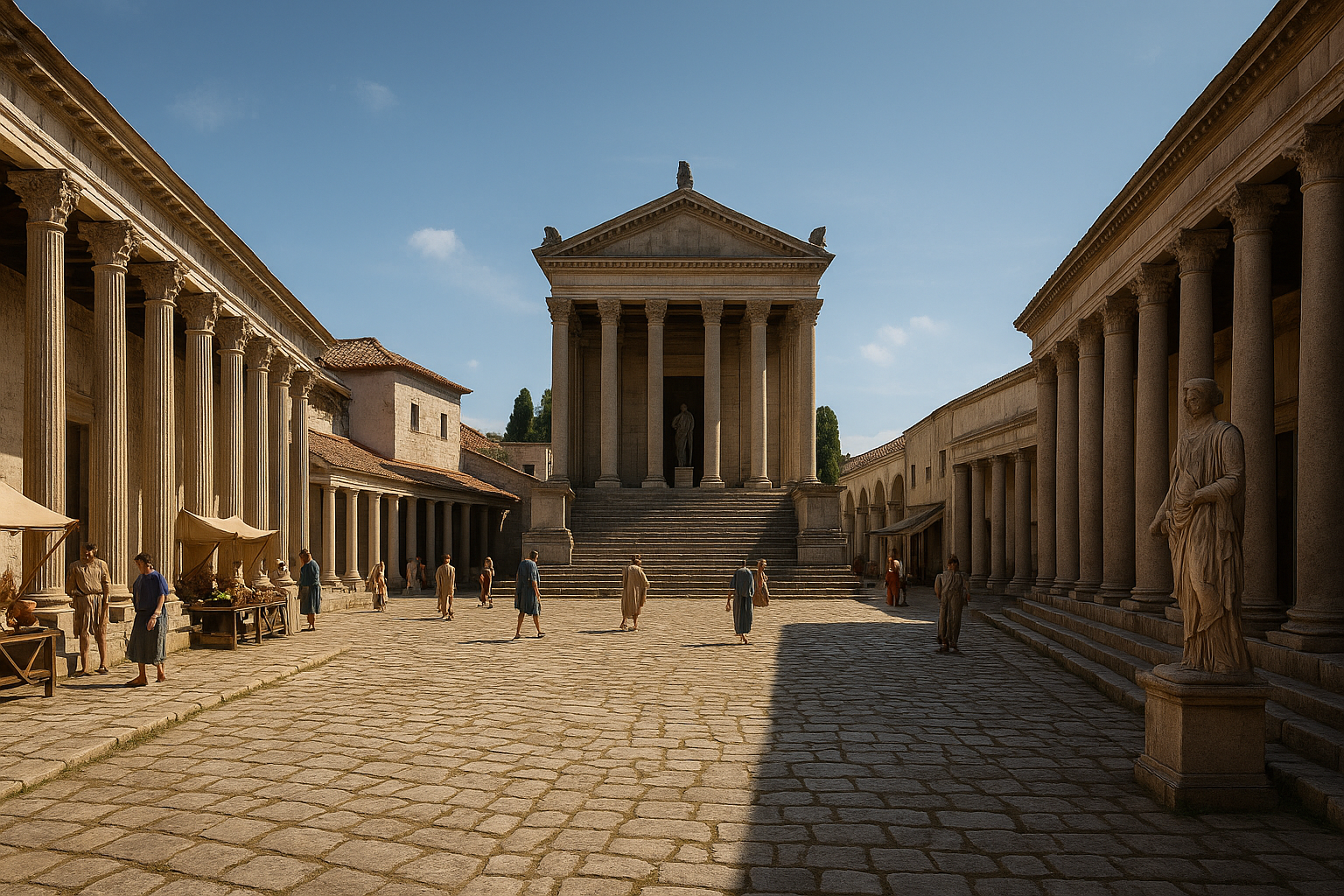
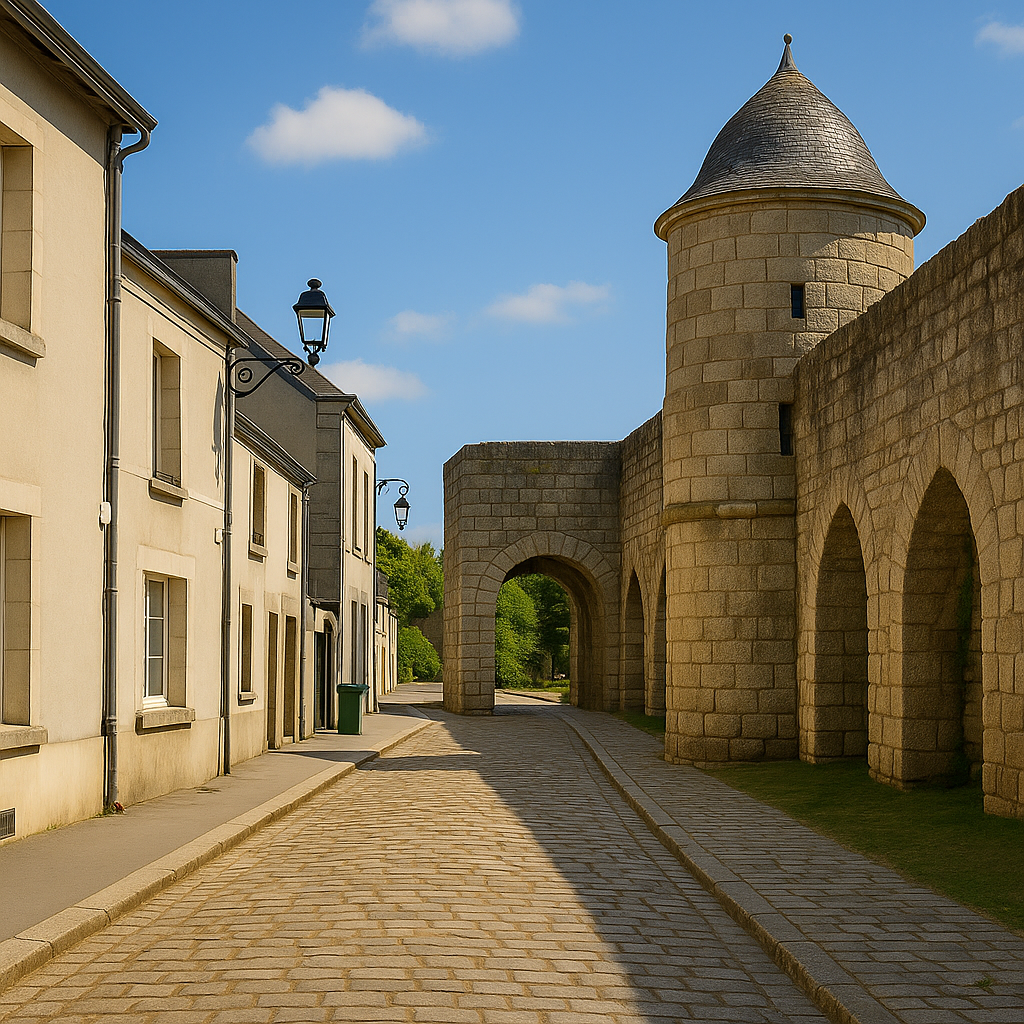
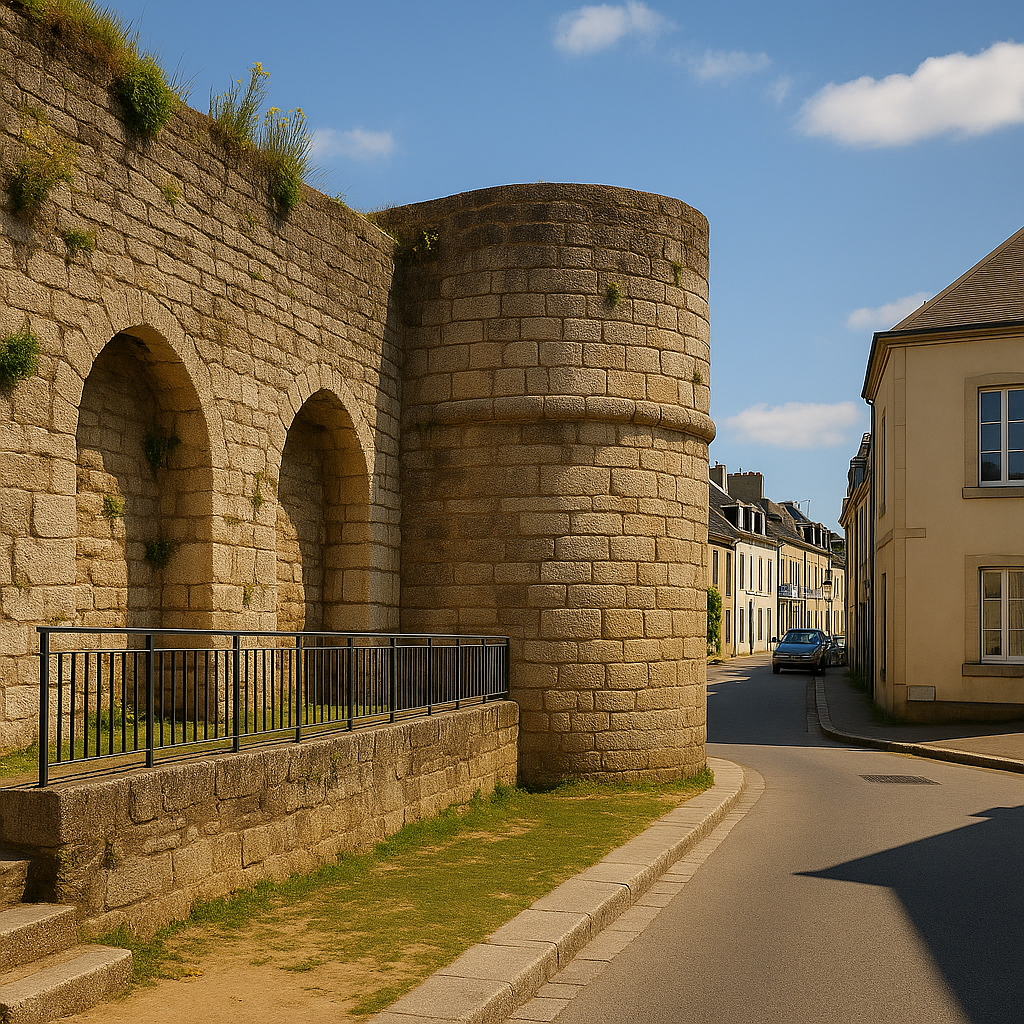
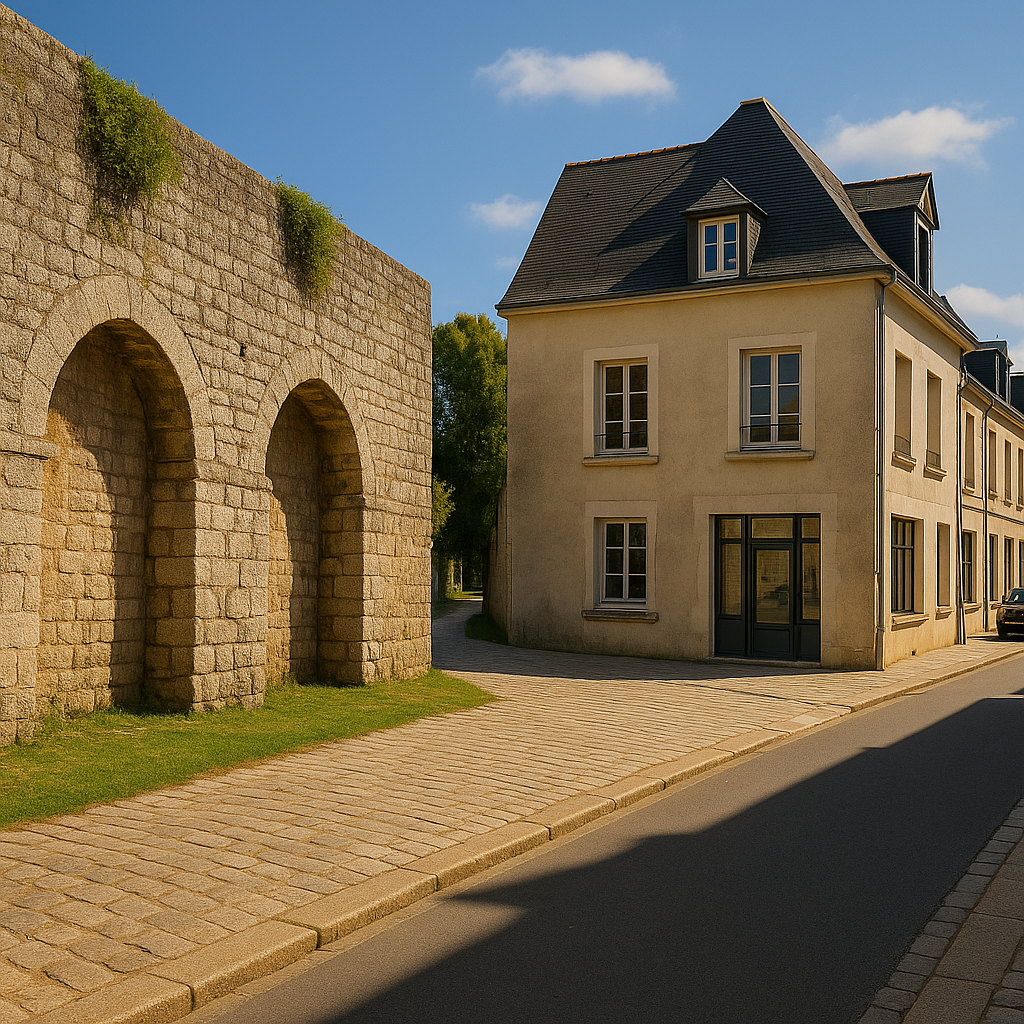
Darioritum was located north of the Gulf of Aquitaine, near the Loire (Liger) and Rennes (Condate). Founded at the end of the 1st century BC, this Gallo-Roman city rose on the hill of Boismoreau, overlooking the estuary. It was structured around a large forum, the center of administrative and political power of the Veneti, a maritime people associated with the Gauls, defeated by Julius Caesar in 56 BC.
After that war, the Roman administration turned Darioritum into the official civitas of the Veneti during the reign of Augustus.
In his Commentaries on the Gallic War, Caesar was the first author to mention the Veneti, but he did not assign them a capital. For centuries, classical writers cited them without naming their urban center. It was not until the 2nd century and Ptolemy’s Geography that their name finally appeared: Δαριοριτον (Darrioton).
Why is it called the forgotten capital?
Because ancient authors never identified it as such
Neither Caesar nor other Roman chroniclers highlighted Darioritum as a capital. Although they recognized the commercial importance of the Veneti, they never linked their main city to a specific place, which contributed to its later oblivion.
Because its name disappeared from official sources
From the 3rd century onward, the toponym “Darioritum” vanishes from imperial documents. In maps such as the Tabula Peutingeriana, it is replaced by the simple ethnonym “Veneti,” diluting its urban identity.
Because it does not preserve major visible remains
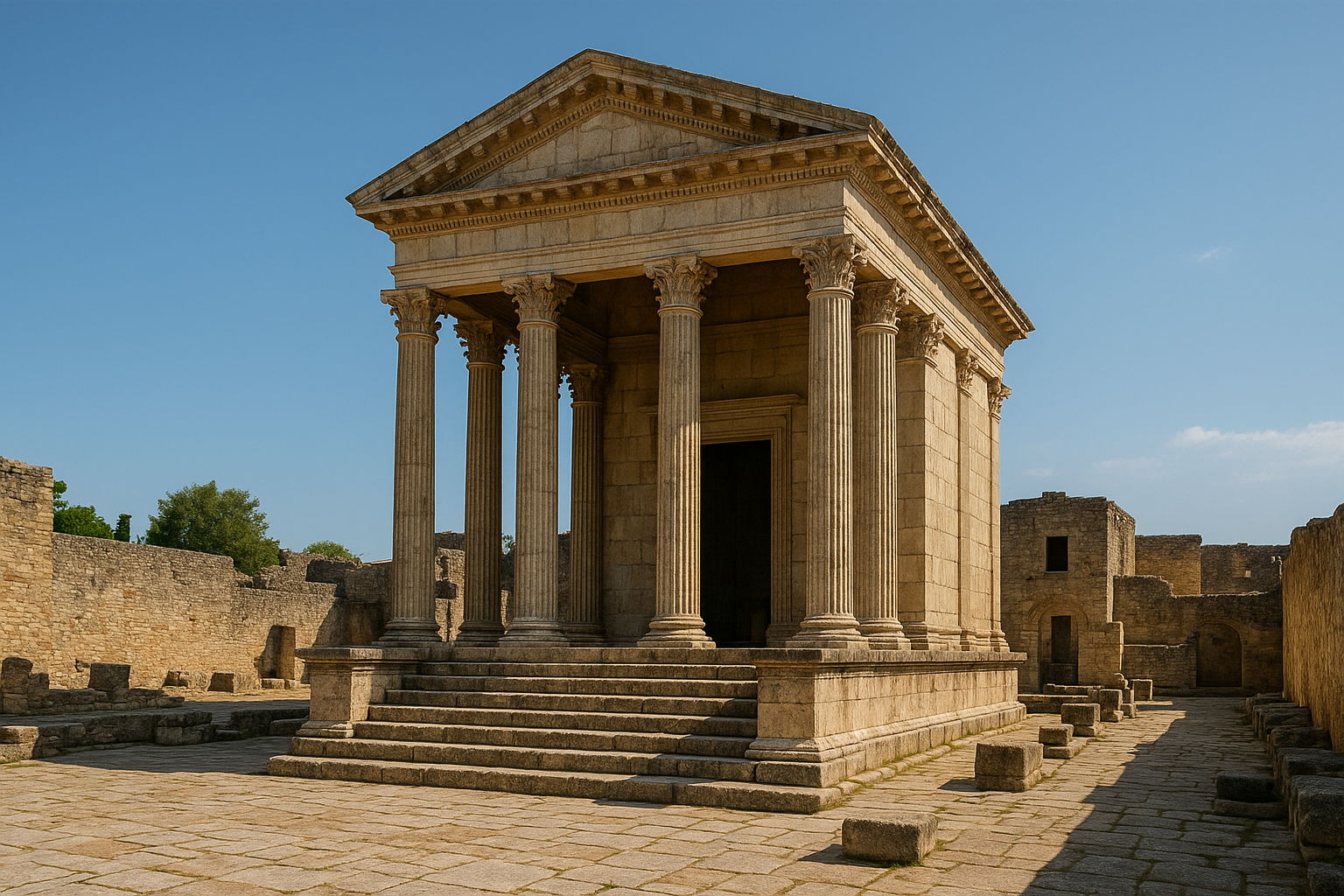
Although it had a forum and a solid civic structure, the city left behind no monumental ruins comparable to other Gallo-Roman capitals such as Lugdunum. Much was destroyed, buried, or simply ignored by historiography.
Because its recognition came very late
Only in the 2nd century, with Ptolemy, is its Greek name mentioned, and even then its role as a capital is not emphasized. Although its status as a civitas under Augustus is attested, its identity was relegated to the background in the major historical narratives.
The crossing
Chapter 21
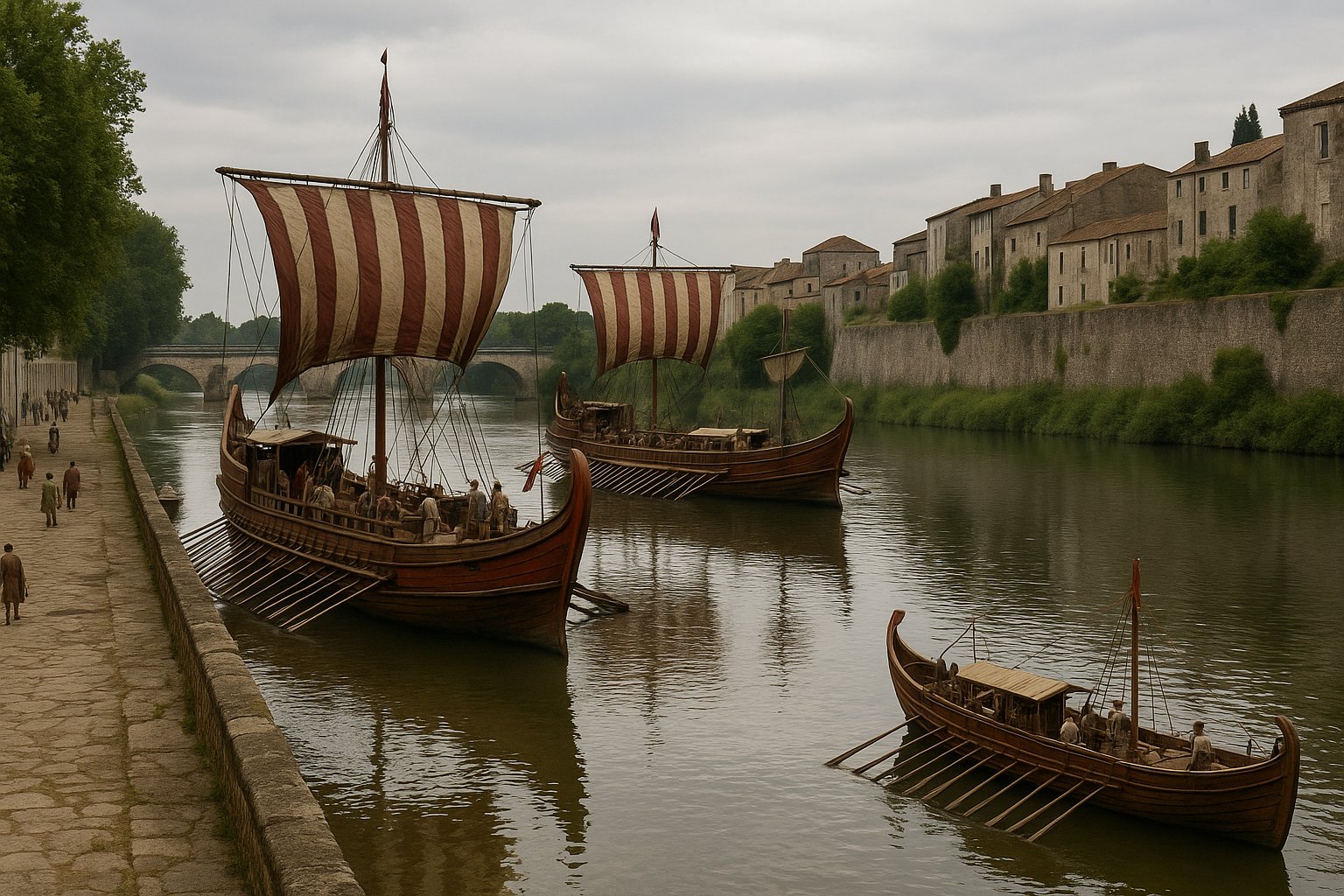
…After a week of coastal sailing, they entered the estuary of Darioritum. It turned out to be a modest port dedicated to maritime trade. From there, atop a small hill, a small open town could be seen…
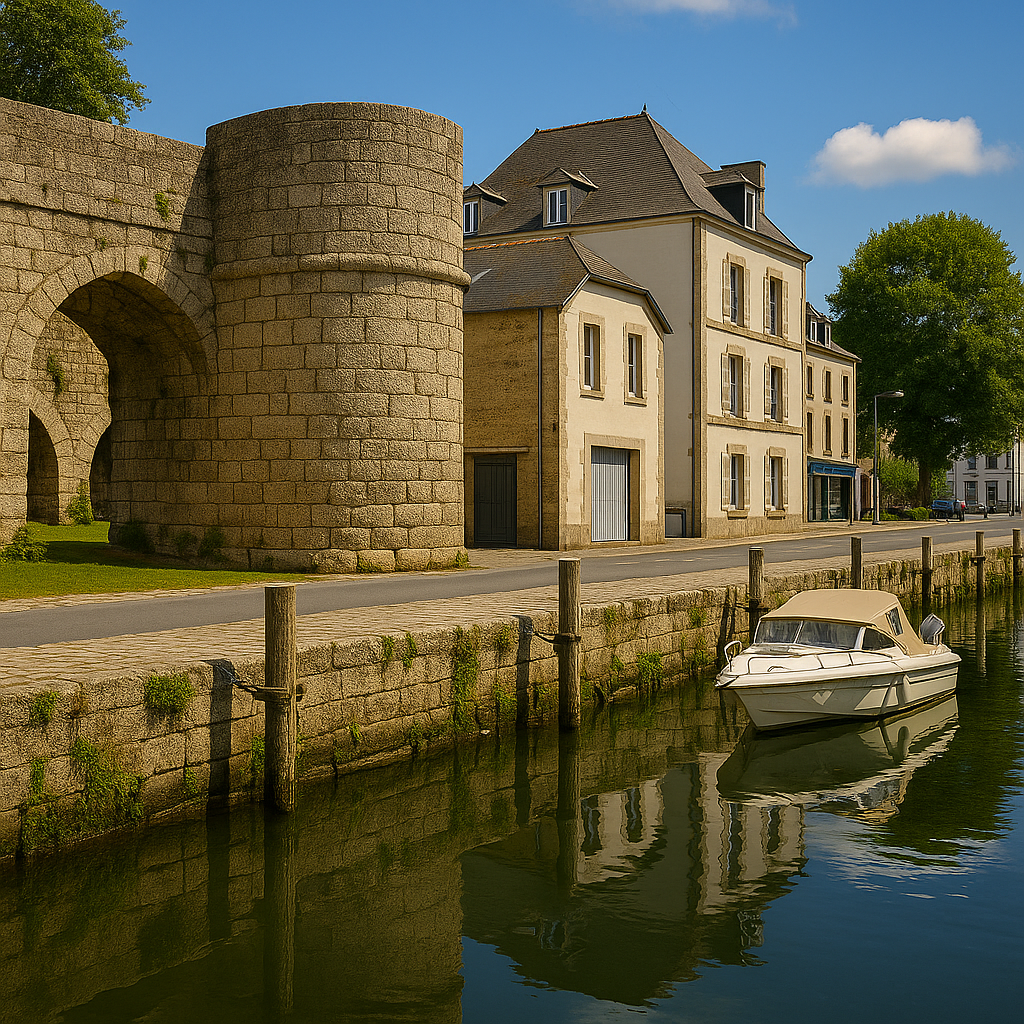
Did you know…?
🔹In Darioritum, remains of a Roman aqueduct have been found running partially beneath the current old town of Vannes, still visible in some private cellars.
🔹During the Gallo-Roman period, this name appears adapted and Latinized in different forms: Darioritum (the most common), Dariorigum, Dartorigum, among others.
🔹Darioritum also appears in the Tabula Peutingeriana, a 13th-century copy of a Roman map showing the main cities and roads of the Empire.
🔹Darioritum was a key maritime trading center, especially due to its proximity to the Atlantic coast. Although Roman sources did not give it great prominence, the city served as an essential port for the Veneti, facilitating trade with Britain, which granted it an important economic role in the Celtic world. The Atlantic Maritime Route likely passed through here.

 EN
EN  ES
ES  FR
FR