Dieppe

Un enclave normando con memoria profunda
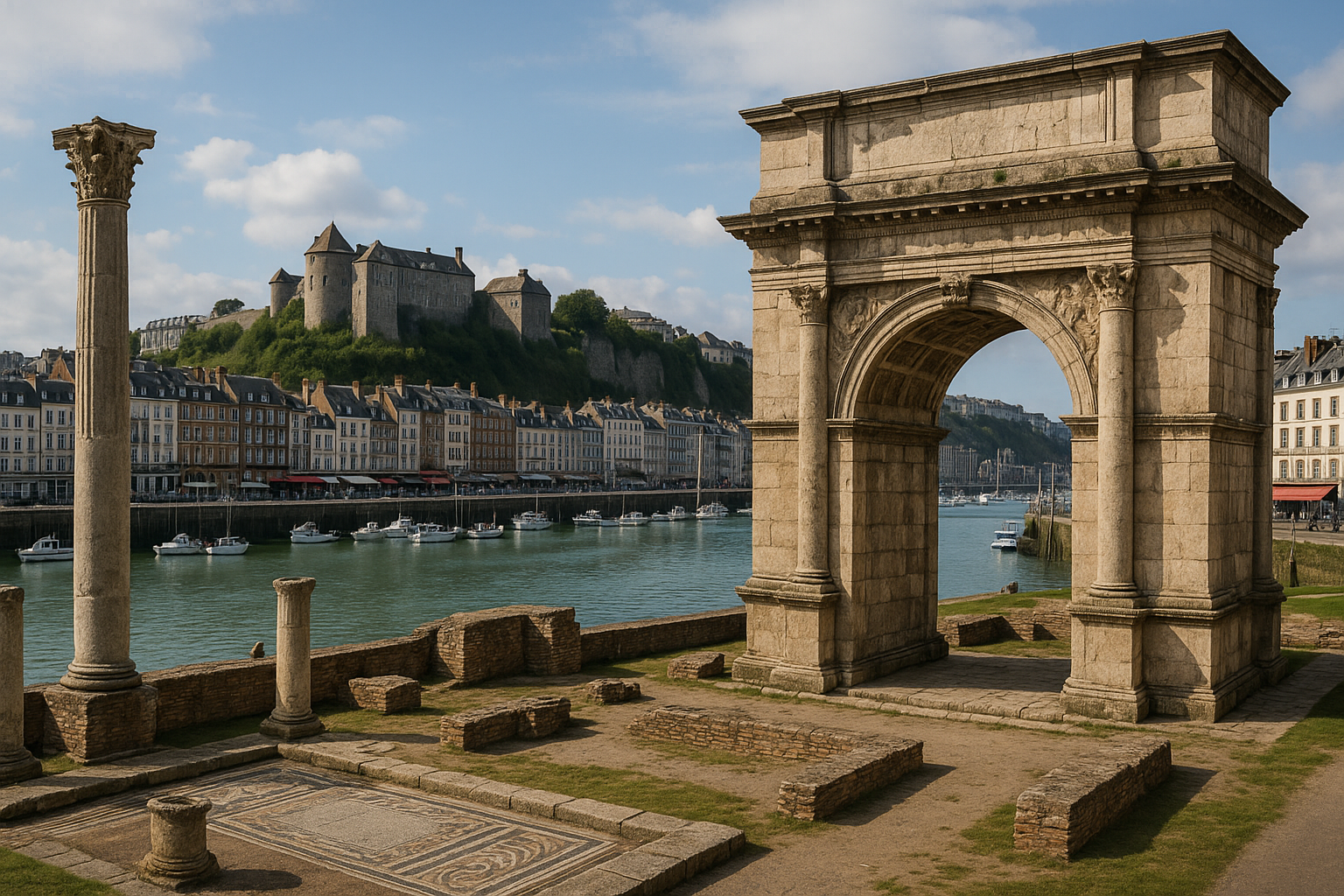
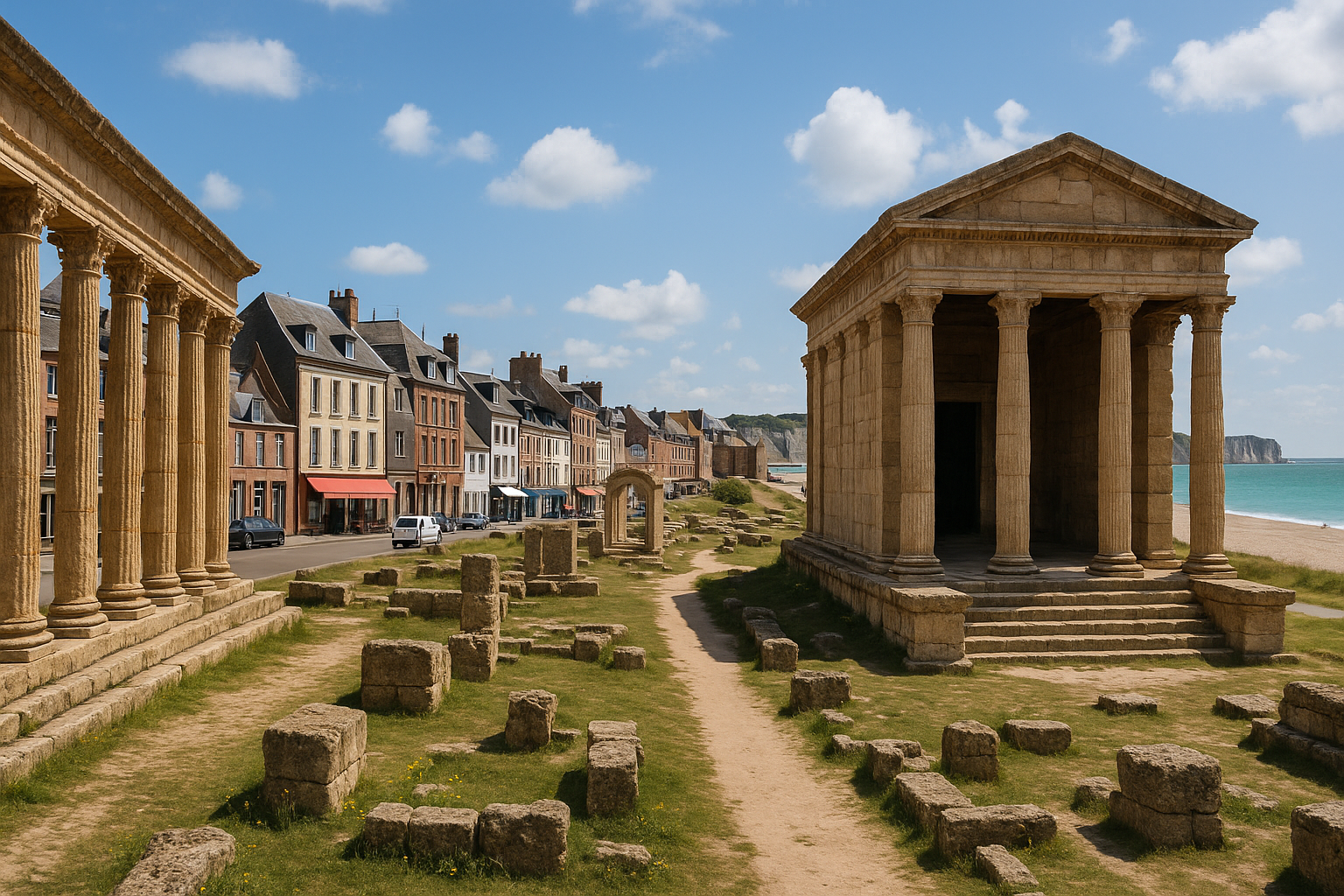
Located on the coast of the English Channel, Dieppe is known today for its role during World War II, especially for the failed Allied landing of 1942. But its history runs much deeper, into the less visible strata of the Norman region. Although it was not a Roman colony in the classical sense, the area where Dieppe stands was an active part of the Roman coastal defense system during the 1st to 3rd centuries AD, in what the Romans called the litus saxonicum.
At that time, the northern coast of Gaul was dotted with small naval stations, watchtowers, and minor trading points. The surroundings of Dieppe likely functioned as a secondary stopover, connecting by sea with the Seine and Somme routes. Some ceramic finds and fragmentary inscriptions attest to intermittent Roman presence, although without a formally established city. However, the coastal layout and proximity to Titus Portus suggest functional integration into the imperial logistical network.
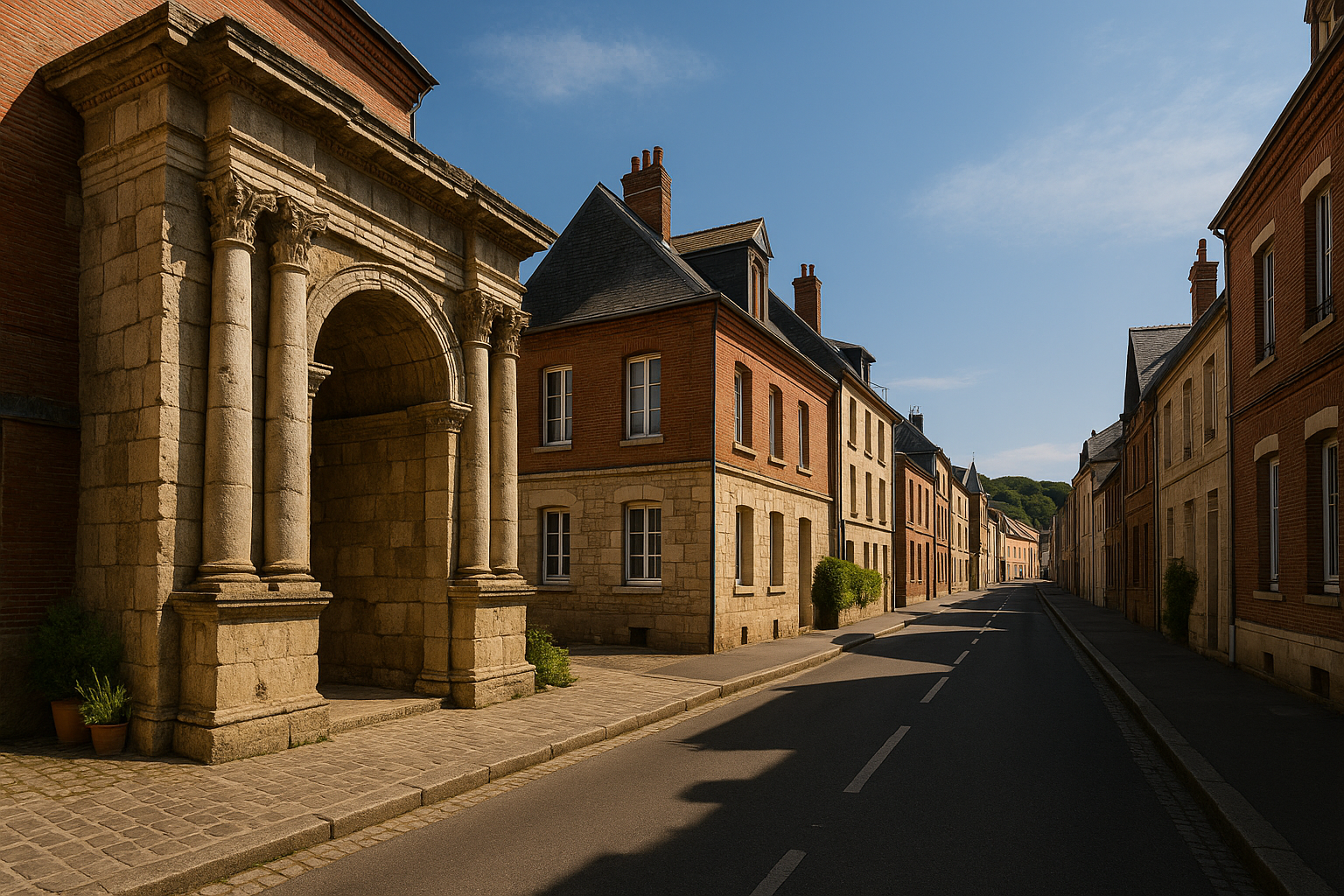
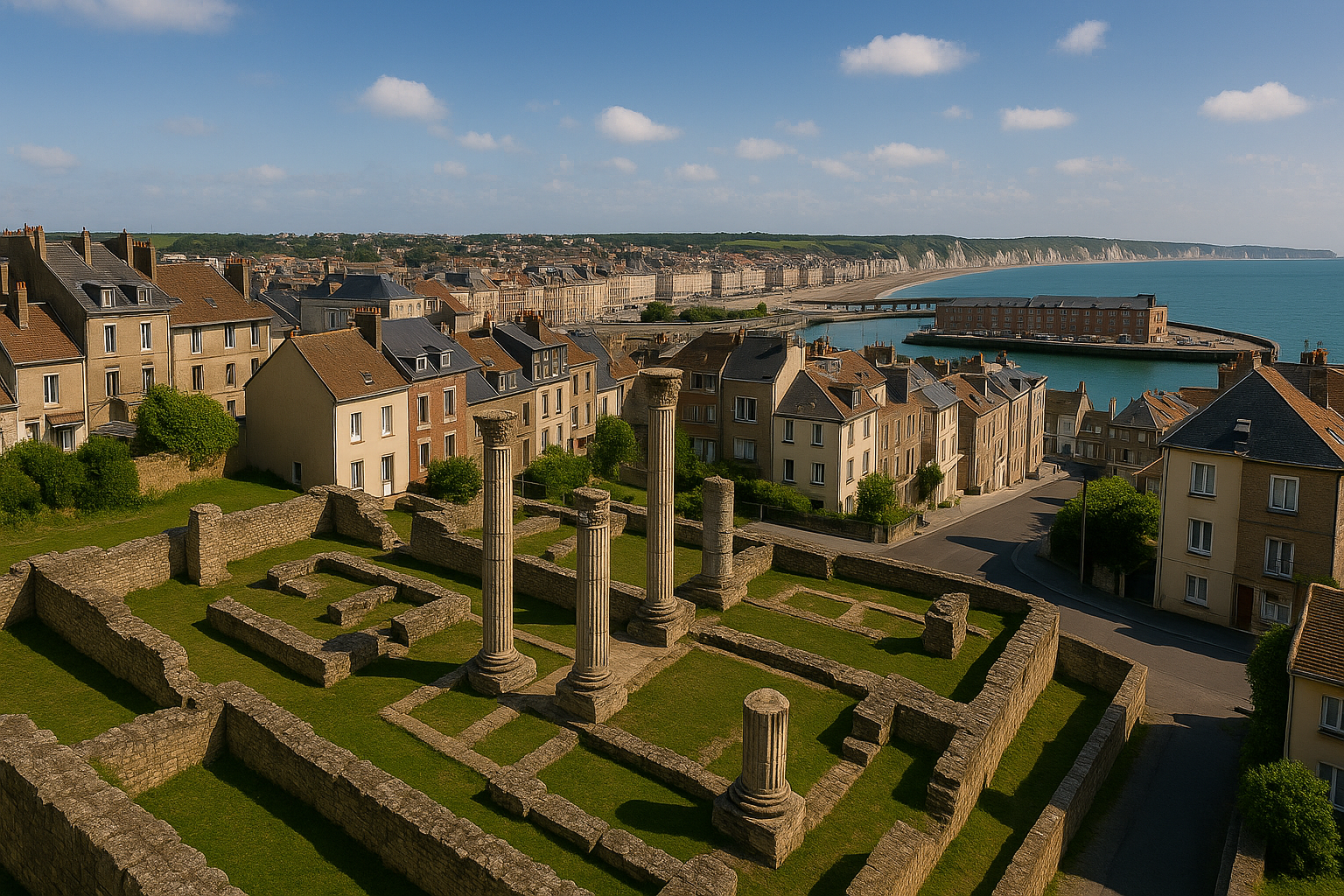
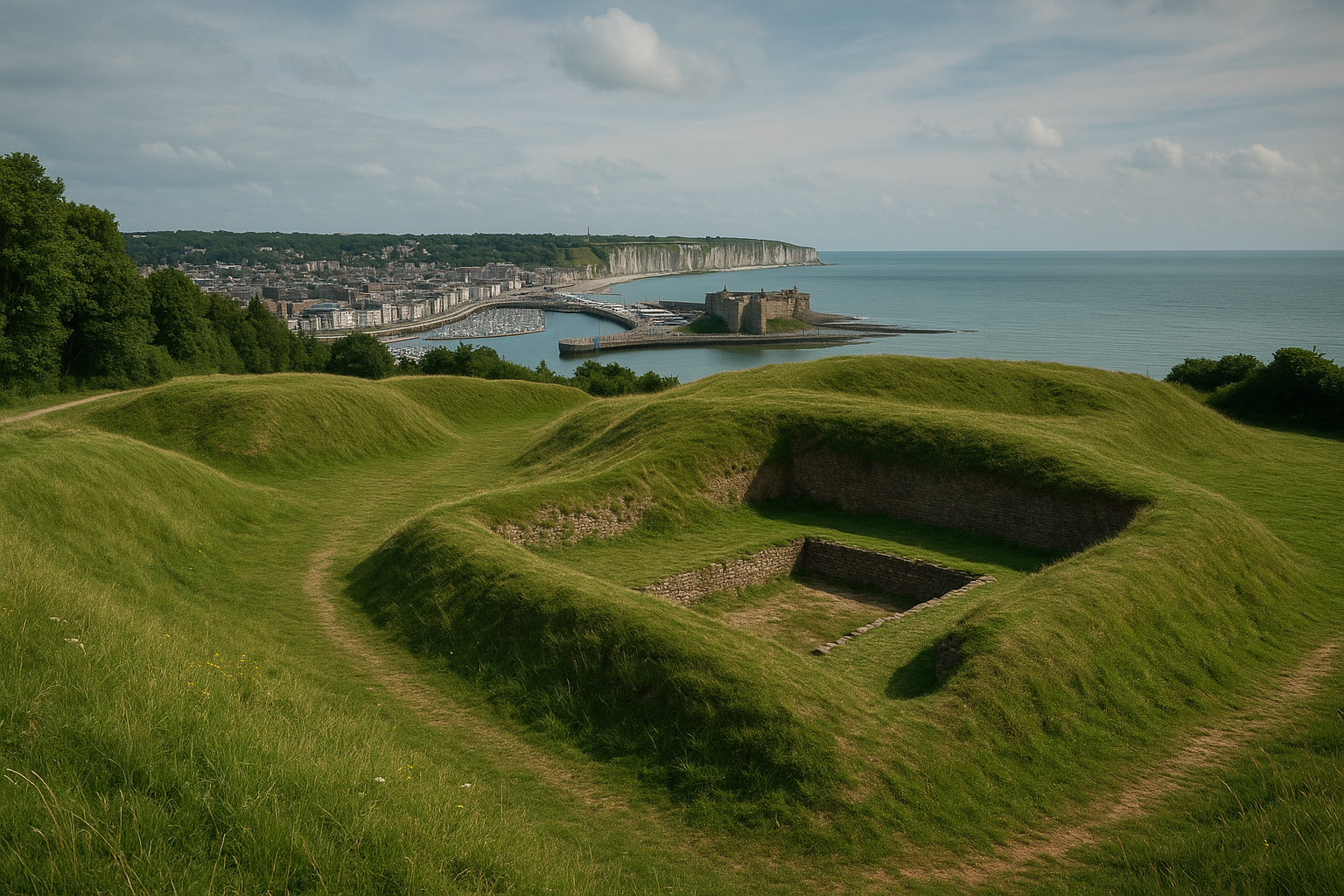
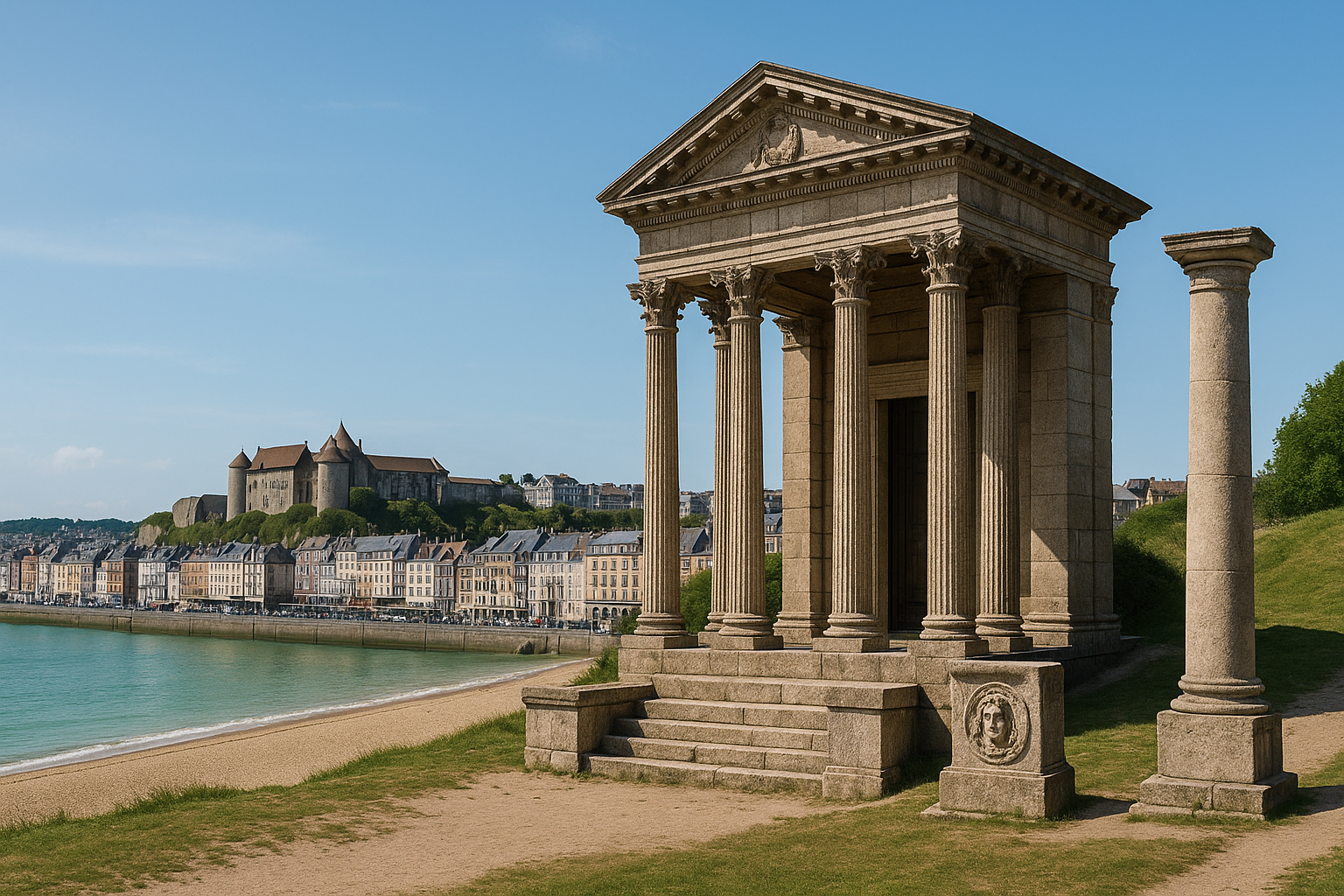
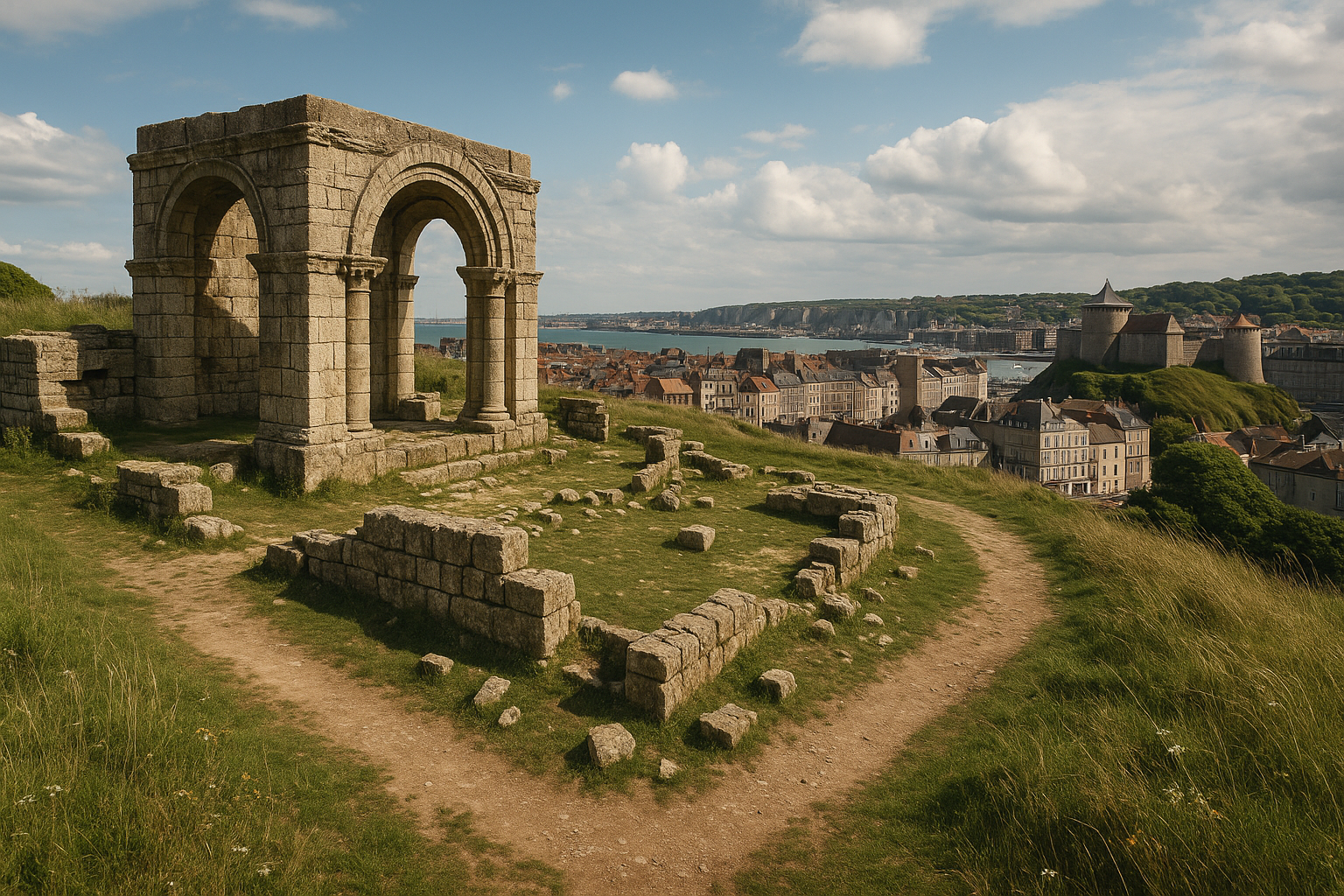
Today, modern Dieppe preserves few visible vestiges of its Roman phase, but the subsoil still occasionally yields fragments: amphorae, coins, rusted nails. The place known as le Pollet, where fifteenth-century fishermen’s houses still stand, is believed to have already served as natural shelter for small boats centuries before the Middle Ages.
The crossing
Chapter 21
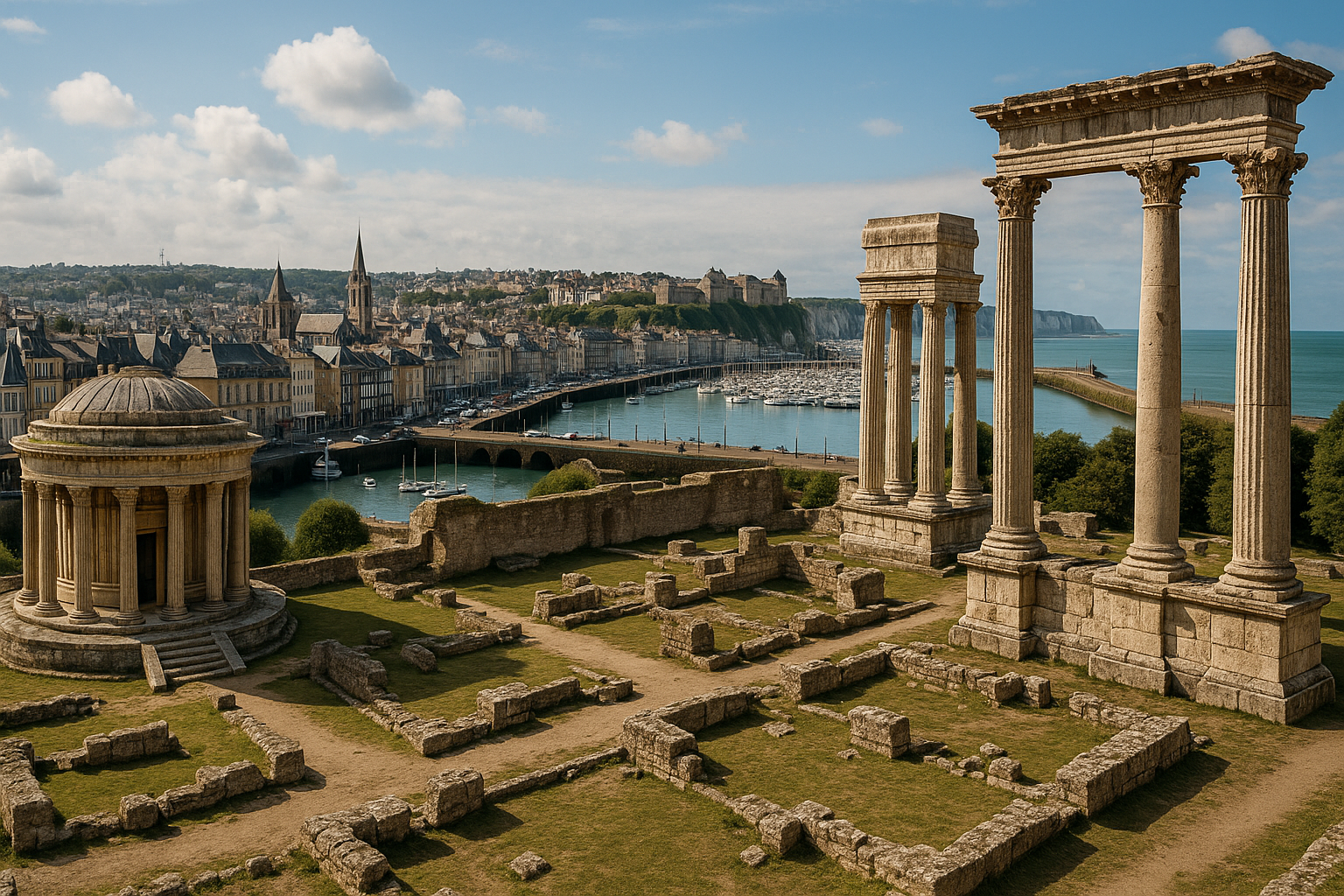
…After a week of coastal sailing, they entered the estuary of Darioritum. It turned out to be a modest port dedicated to maritime trade. From there, atop a small hill, a small open town could be seen…
Did you know…?
🔹Excavations carried out in the 1980s near Dieppe Castle uncovered remains of Roman structures associated with storage and surveillance, although they were not catalogued as part of a vicus.
🔹The toponym Dieppe comes from the Scandinavian “Djúp,” which means deep, but its origin as a natural port goes back much earlier.
🔹In early medieval maps, such as the Liber Floridus of the 12th century, the area of Dieppe is mentioned as a transit port to Britain, suggesting that its maritime function was already recognized before it adopted its current name.

 EN
EN  ES
ES  FR
FR