Vesuvius

La montaña que cambió la historia
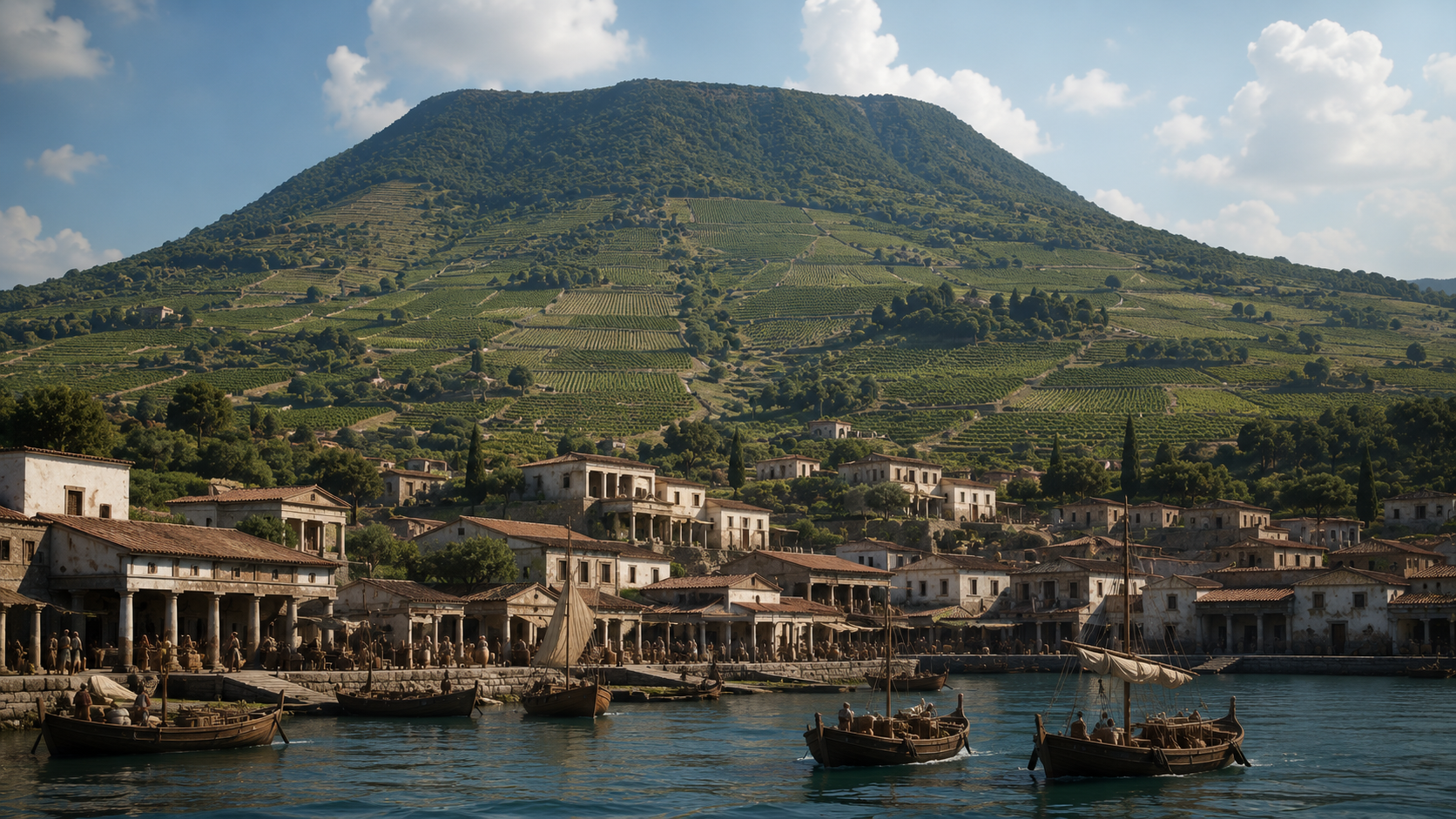
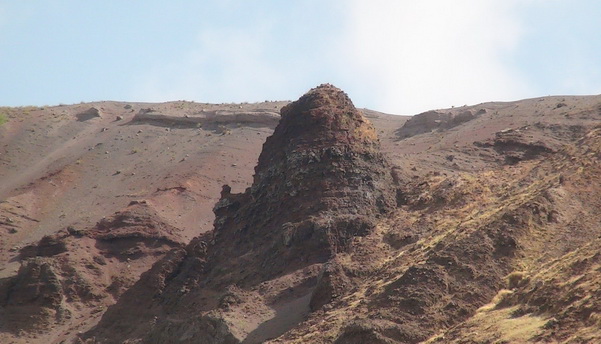
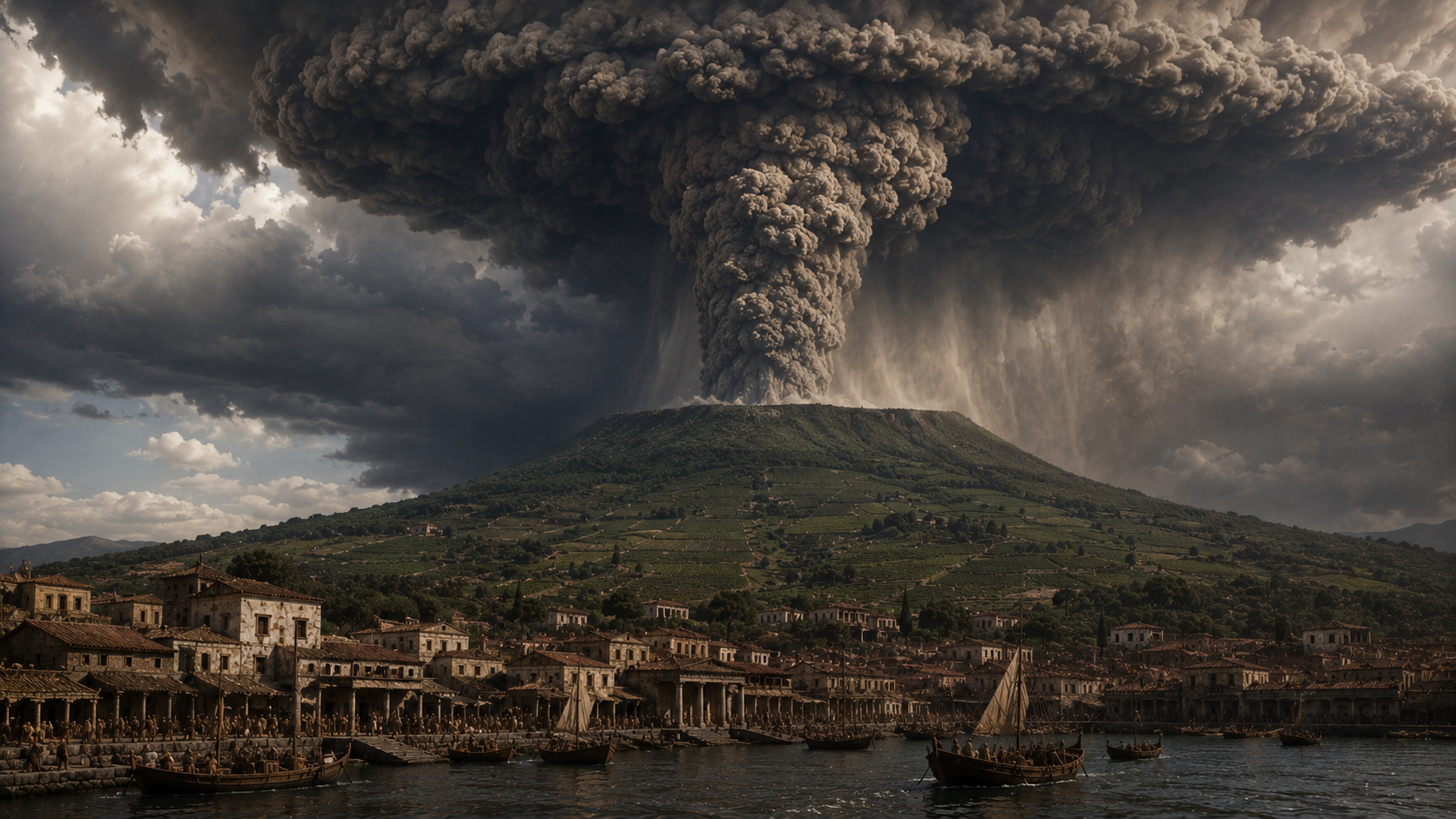
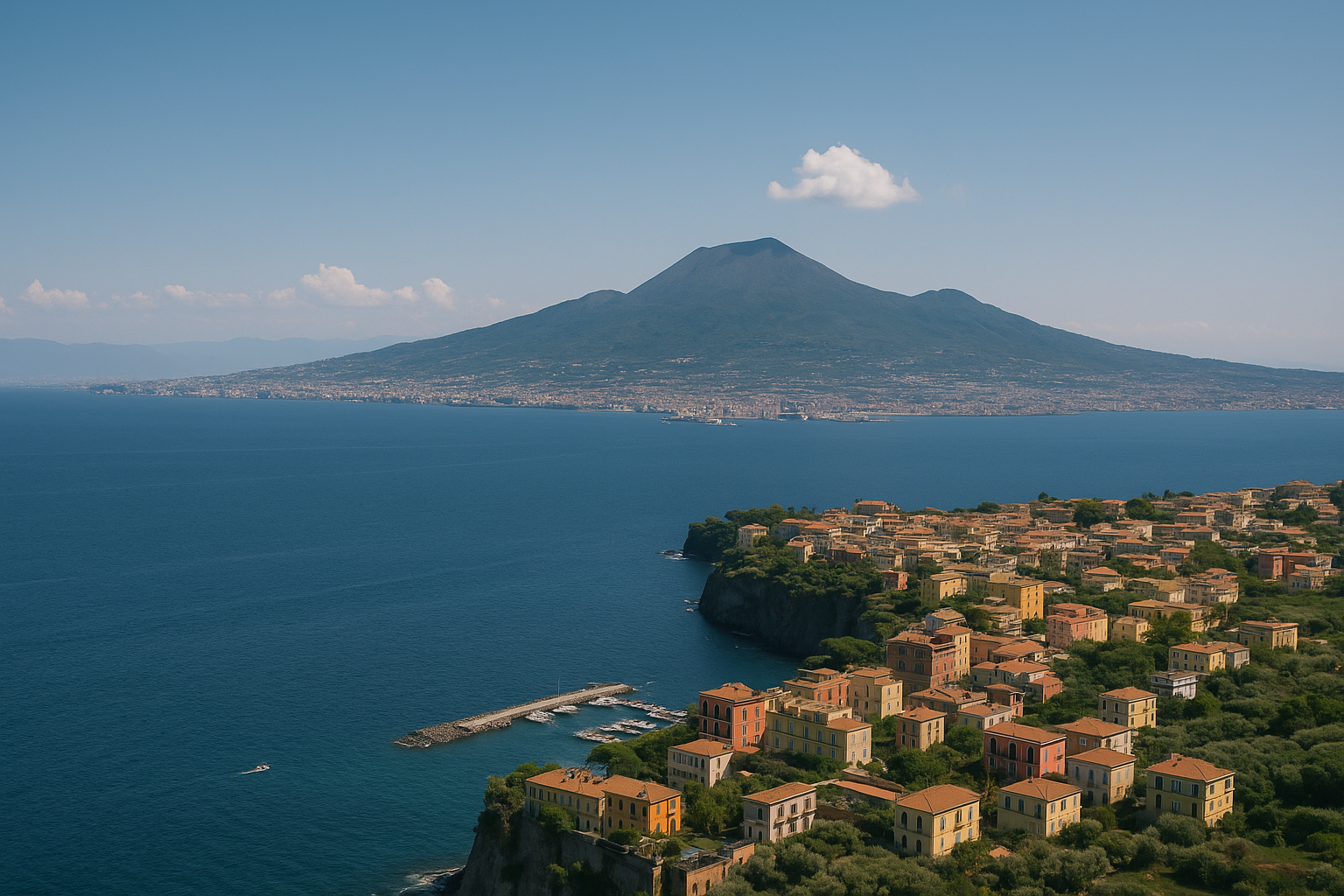
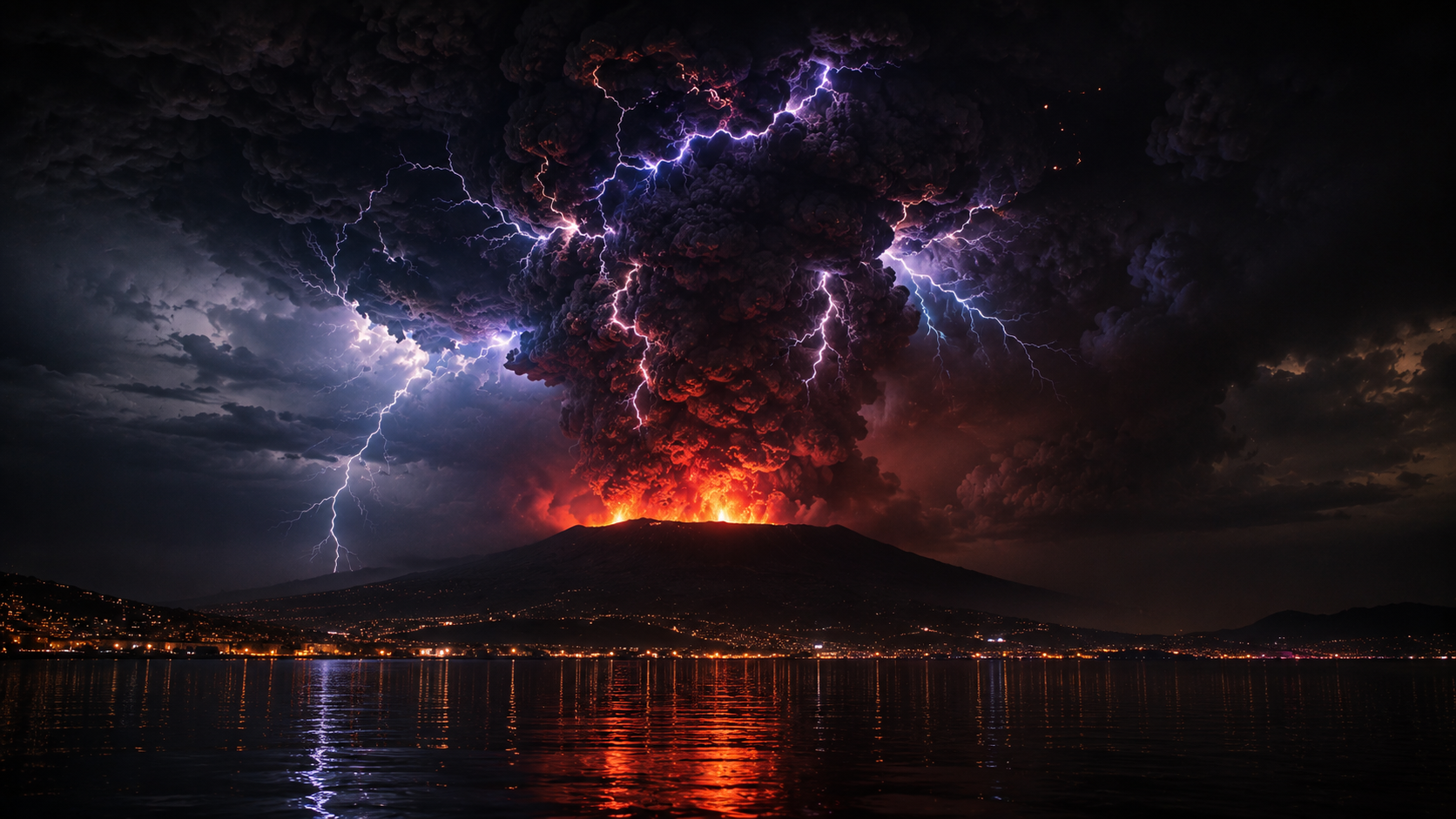
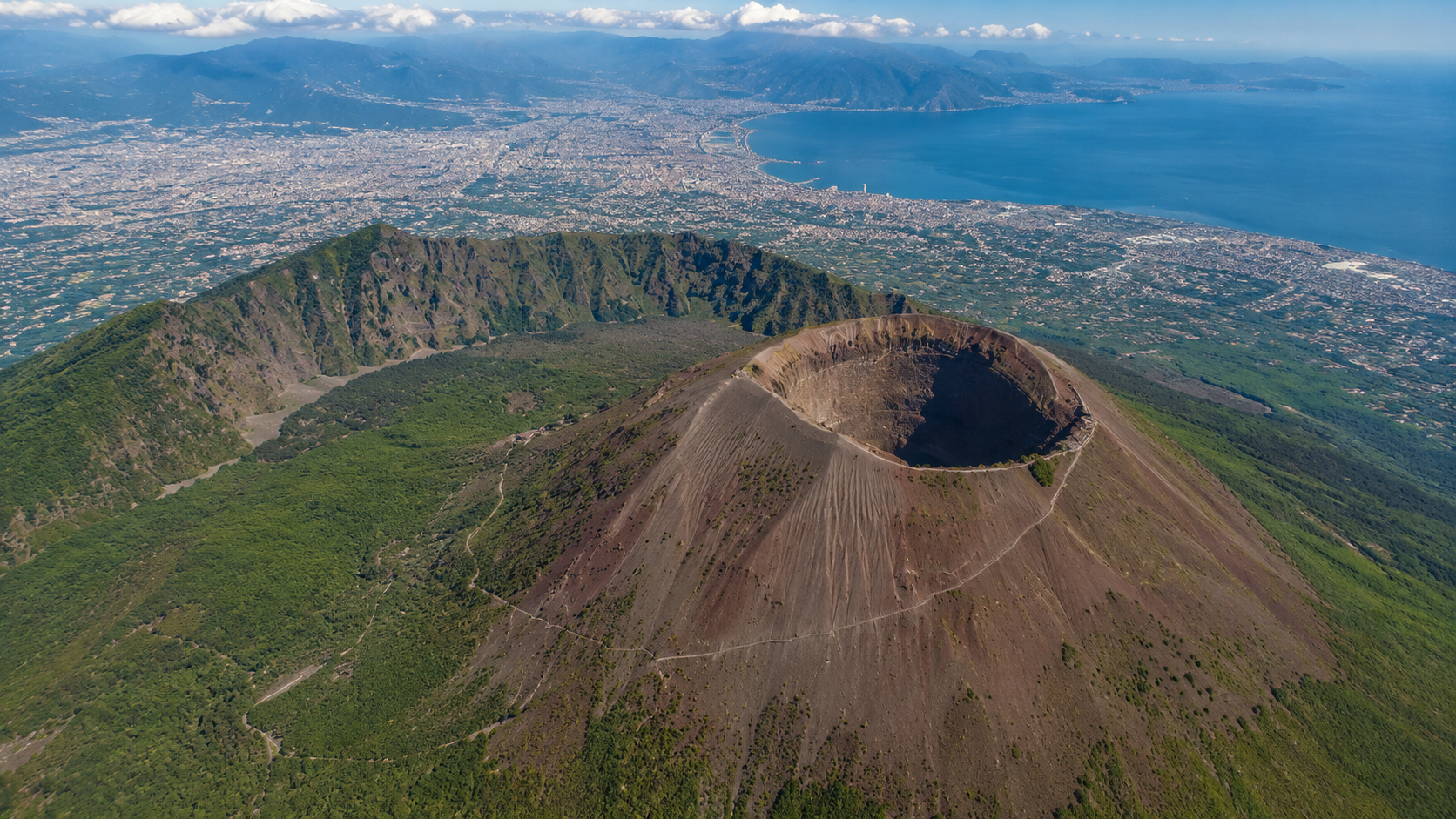
Vesuvius is one of the best-known and most studied volcanoes in the world, and with good reason. Located in the Campania region of southern Italy, its imposing silhouette dominates the Bay of Naples, constantly reminding us of the latent threat it represents. Although its most famous eruption—the one in AD 79—devastated Pompeii, Herculaneum and other towns, it was neither the first nor the last. It is an active volcano, with an eruptive history that has shaped not only the geography but also the history of Europe.
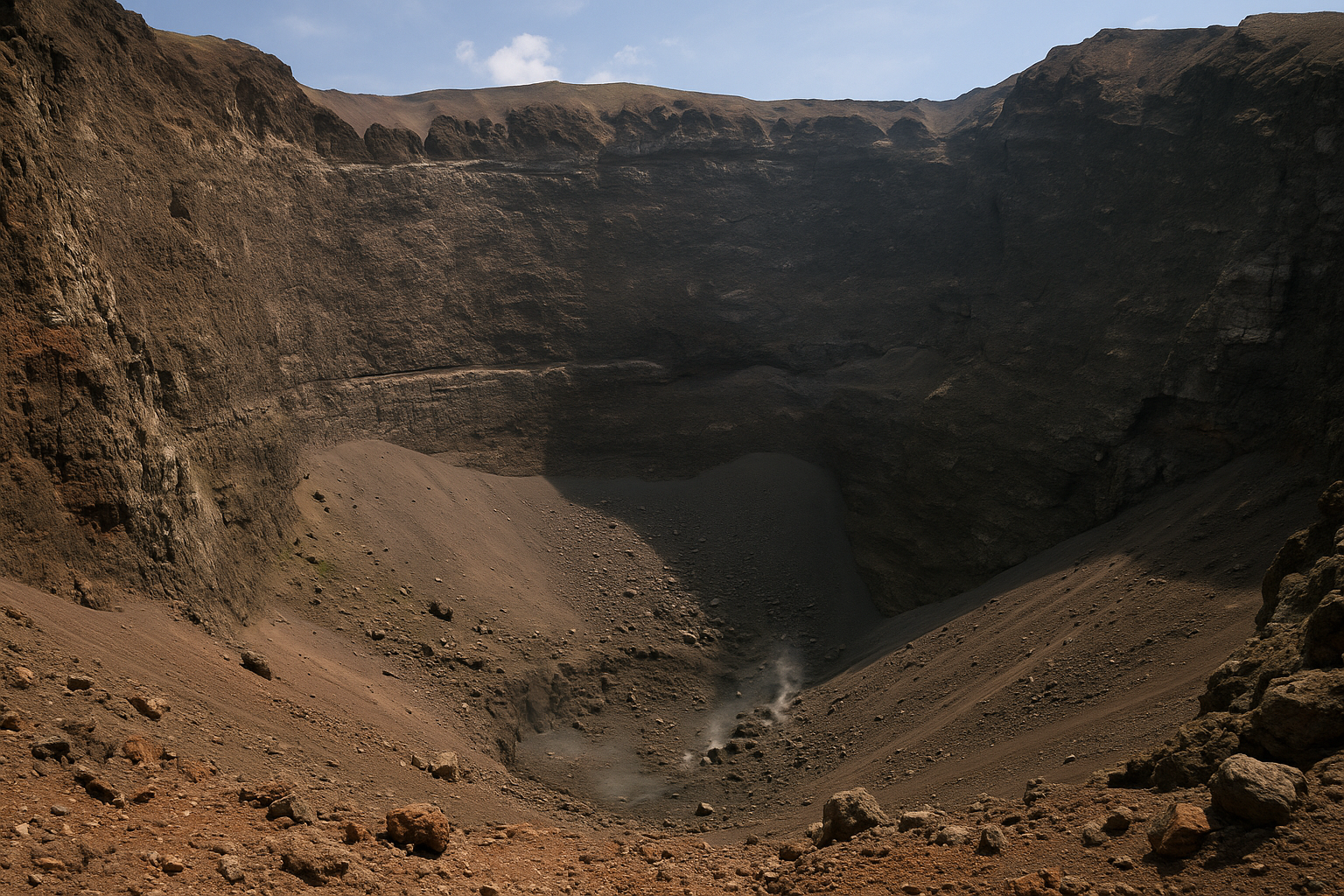
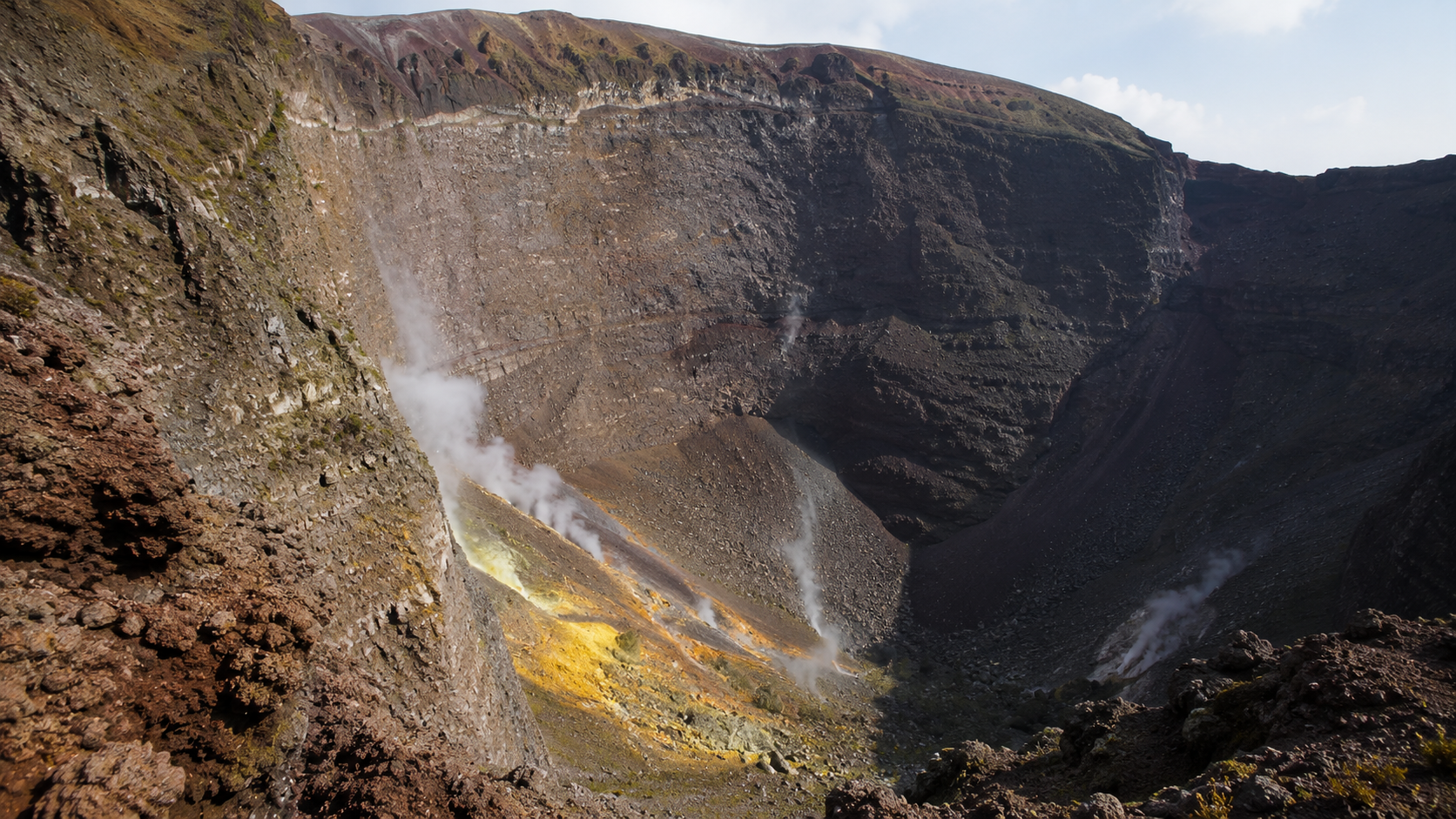
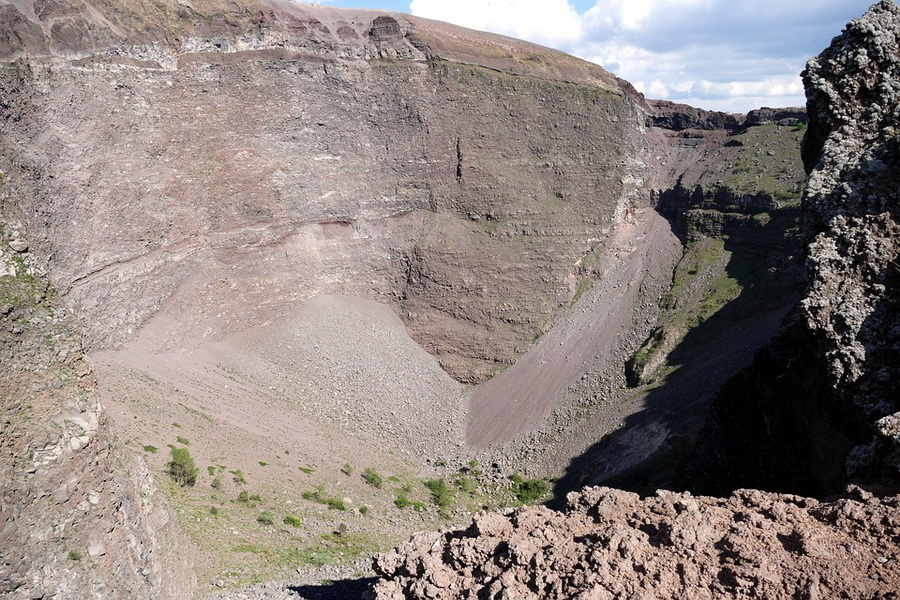
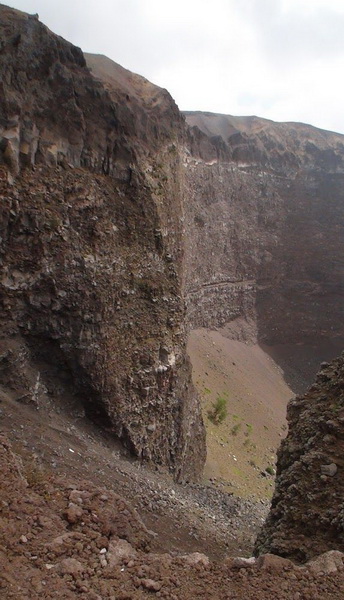
A pesar de su aparente calma, el Vesuvius sigue emitiendo gases tóxicos desde el interior de su cráter. Estas emanaciones, analizadas periódicamente por expertos, son un recordatorio de que la actividad volcánica está lejos de haber cesado. El volcán es monitoreado continuamente, y su vigilancia es una prioridad nacional en Italia.
Visiting Vesuvius is an overwhelming experience. Its summit offers spectacular views, but also the unmistakable feeling of being in a place where nature still commands respect. It was precisely this contrast between beauty and instability that inspired the birth of The Panzergeist Experiment, whose opening chapter is set against the backdrop of this unsettling mountain.
Since the catastrophic eruption of AD 79, Vesuvius has erupted more than thirty times. Among the most destructive were those of 1631, 1794, and 1944, the last during World War II, when it forced the evacuation of Allied positions near Naples. Although it has not erupted again since then, it remains active: emitting gases, fumaroles, and small tremors. Its name, of uncertain origin, may allude to the serpentine fire that characterizes it.
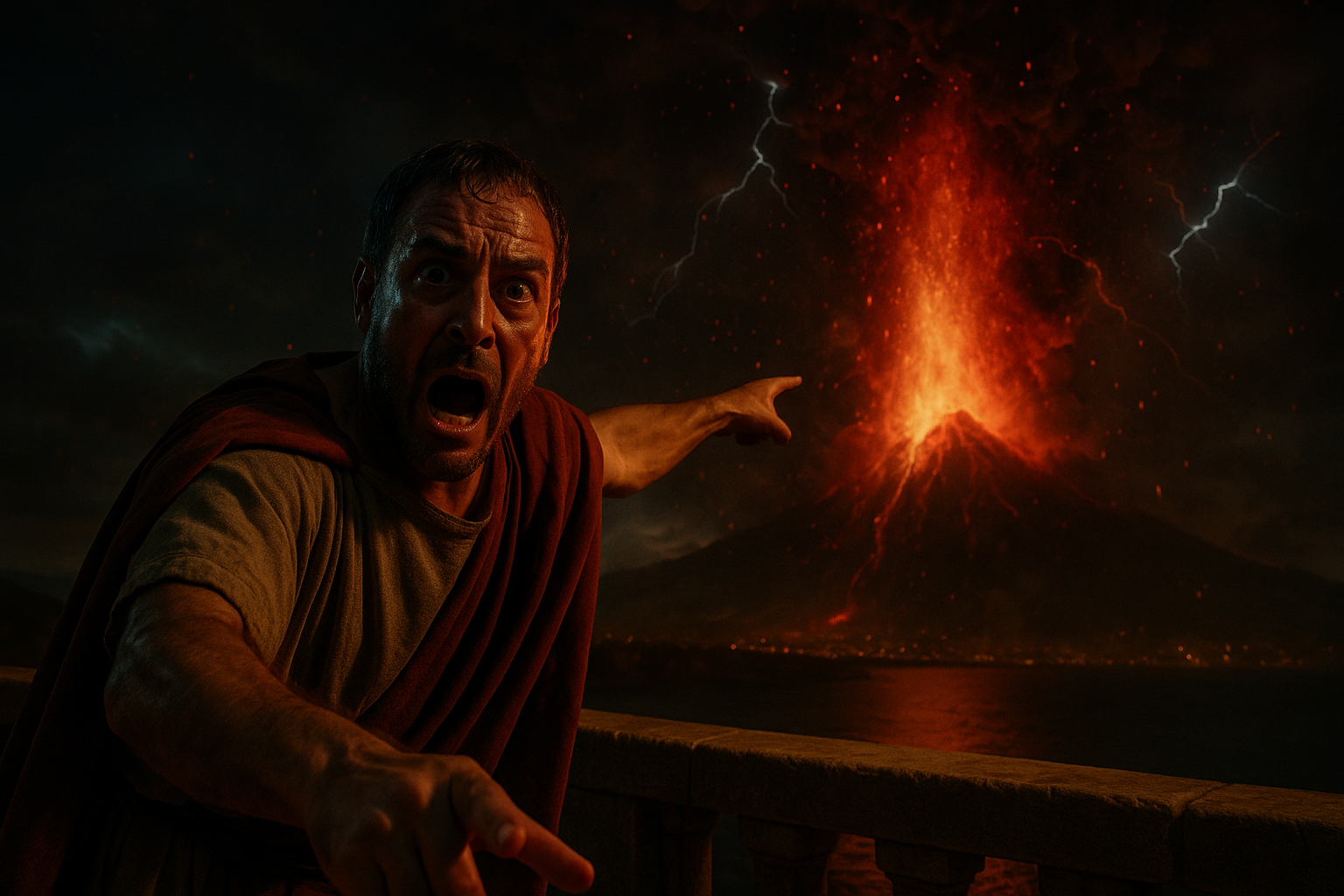
Summer of 79
Chapter 26
…—Vesuvius! —screamed Rufio, utterly terrified, pointing at the gigantic vertical cloud, which, along with immense boulders and fire, burst forth from the summit of the enormous mountain that had begun to eviscerate itself…
Did you know…?
🔹Vesuvius is a volcano within another: it grew in the caldera of the ancient Mount Somma, which is why the complex is referred to as “Somma-Vesuvius.” Its magma, thick and gas-laden, makes it explosive, as demonstrated in the eruption of AD 79 and the even more lethal one of 1631.
🔹More than 3 million people live nearby, making it one of the most densely populated volcanic areas in the world. The emergency plan foresees evacuating more than 600,000 people if it shows clear signs of activity.



 EN
EN  ES
ES  FR
FR