Hillersleben

La base donde se forjaban secretos de guerra
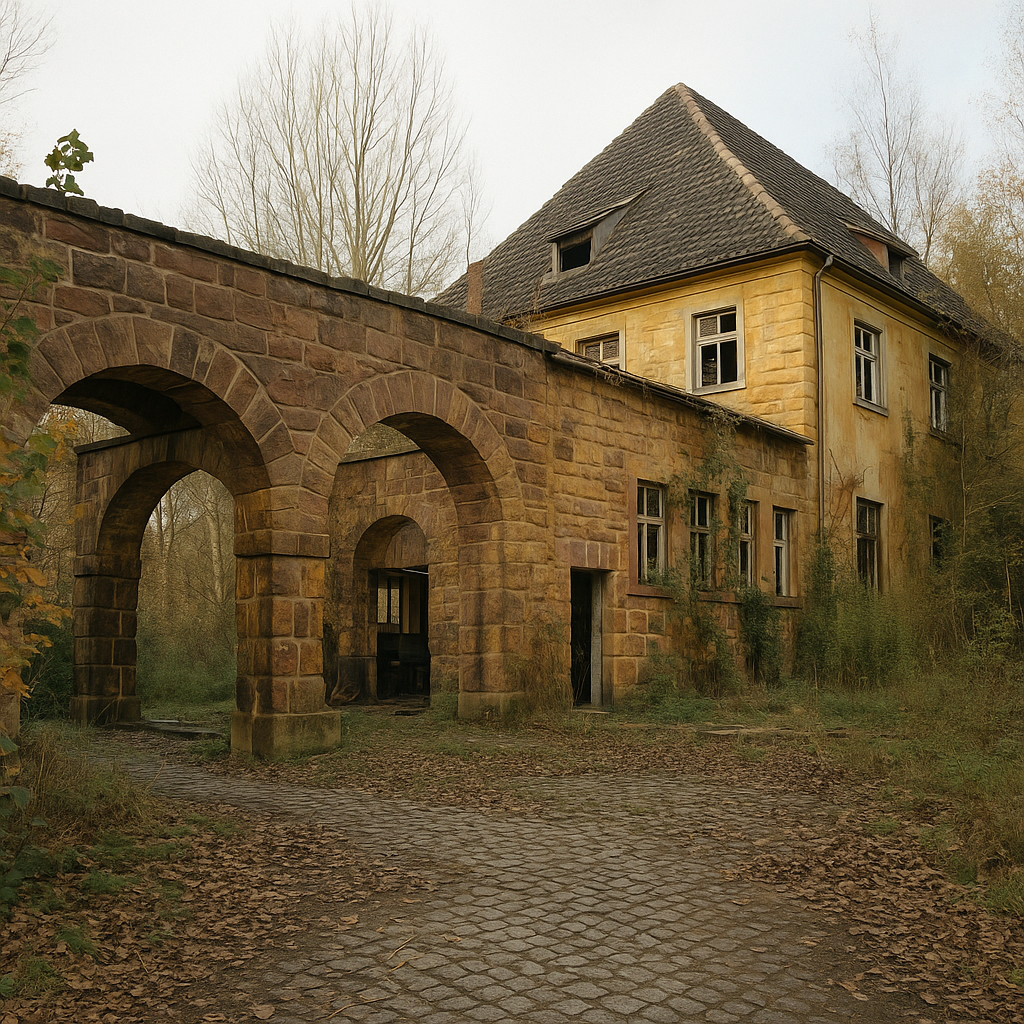
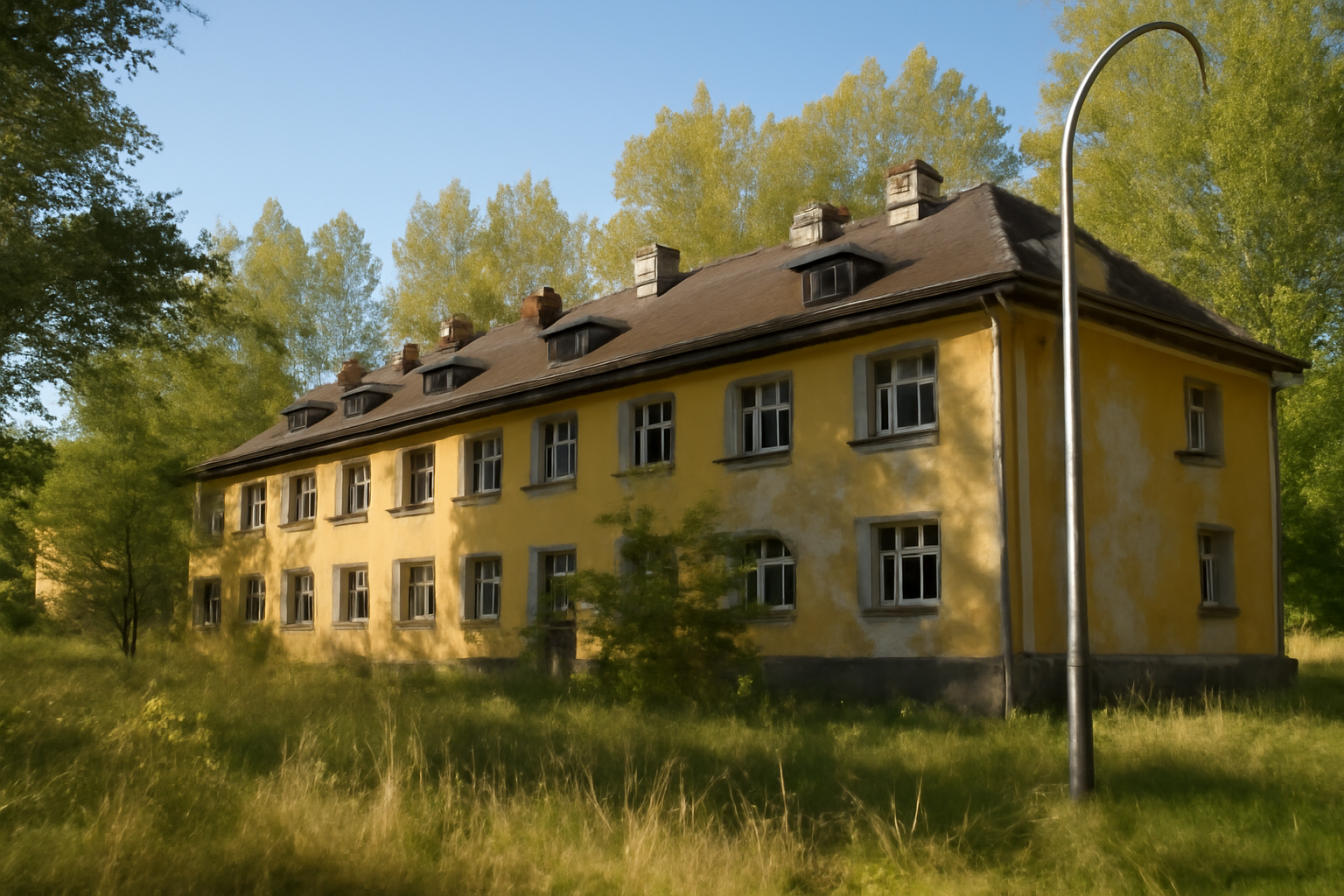
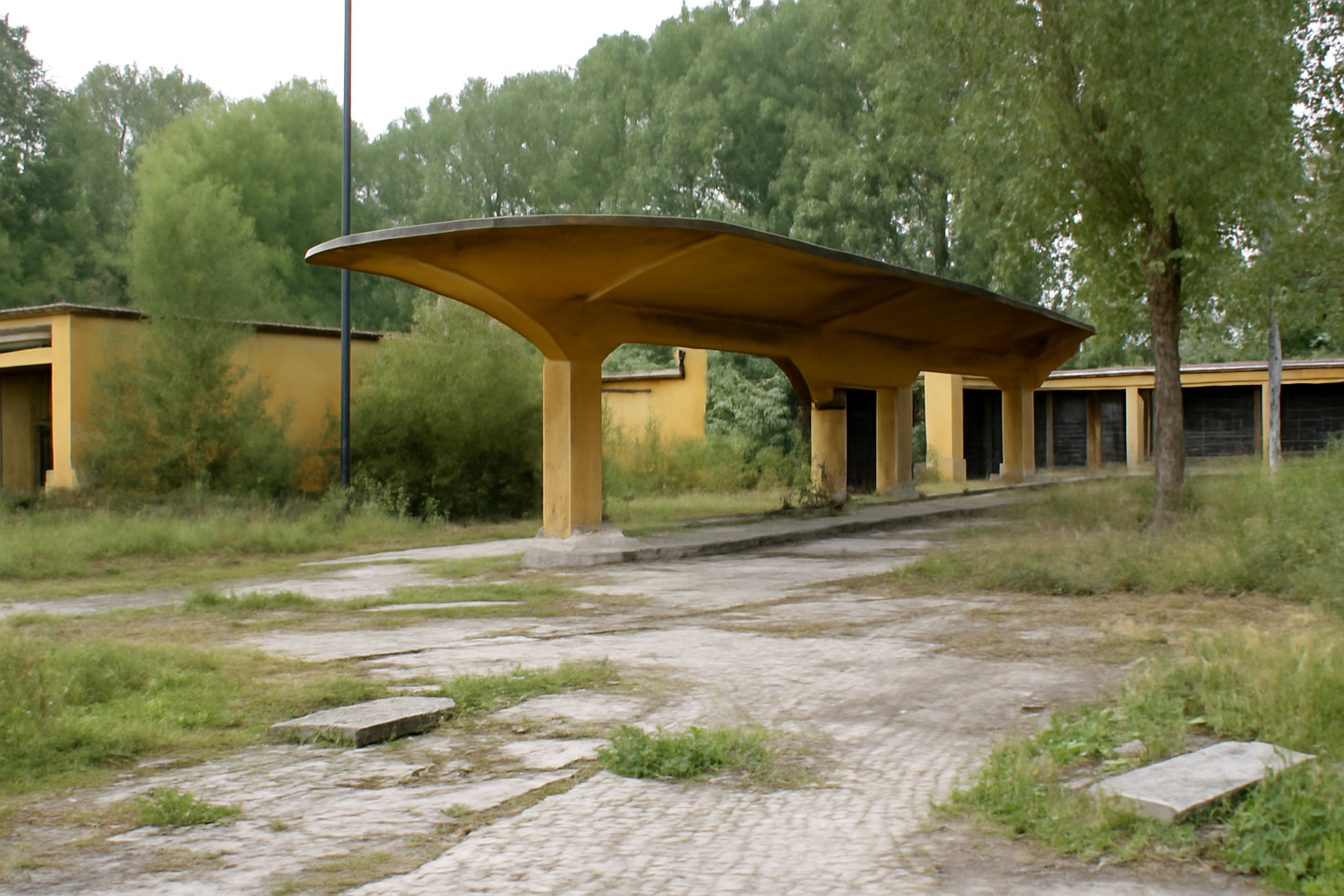
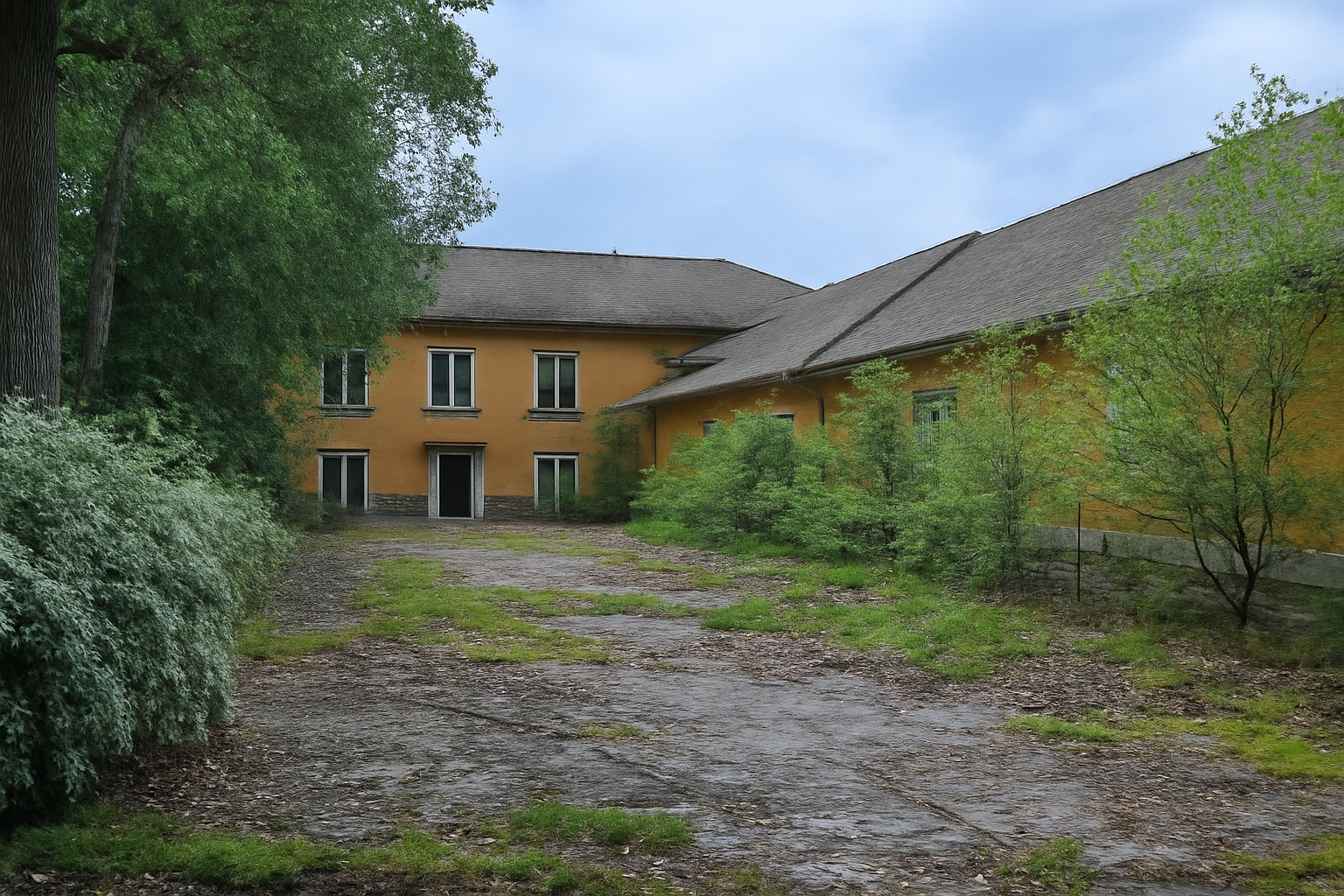
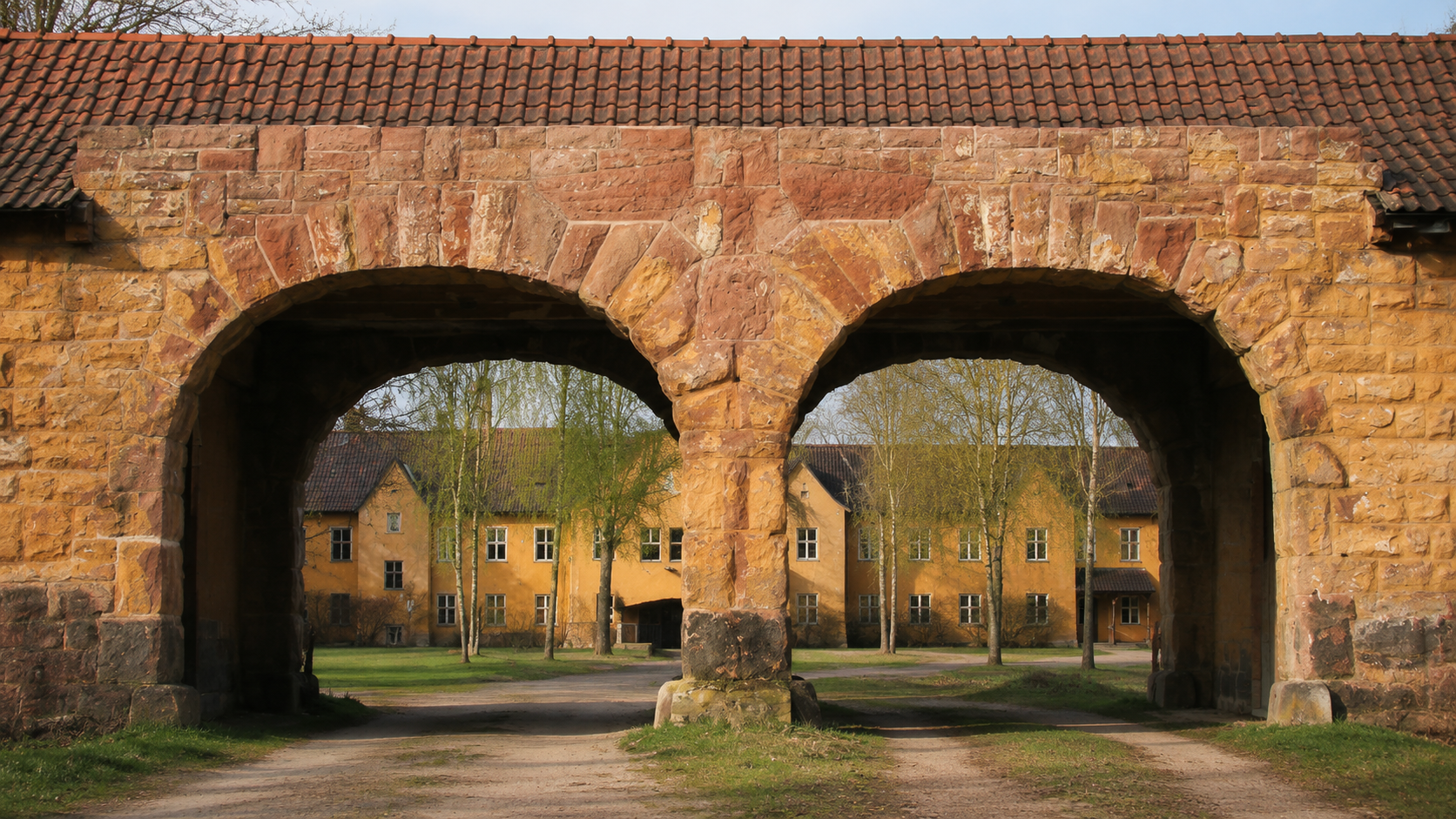
The Altmark military training area (also known as the Altmark Combat Training Center, abbreviated as GÜZ) was one of the largest military zones of Nazi Germany. It was located in the Colbitz-Letzlinger Heide, a vast forest in northern Saxony-Anhalt, about 40 kilometers north of Magdeburg, between the towns of Haldensleben, Gardelegen, and Stendal. Its most important center was Hillersleben, officially known as Heeresversuchsanstalt Hillersleben, which translates as Army Proving Ground at Hillersleben.
The project had an allocated budget of 74,769,785 Reichsmarks, of which 70 million had already been invested by October 1943, when the main construction was suspended. Nevertheless, the development of objectives and military functions continued actively until the end of the war.
Covering an area of 232 square kilometers, it was the third-largest military training zone in Germany and was considered by many the strategic jewel of the Reich in Europe.
🧱 Infrastructure and Personnel
The base employed around 3,000 people, although that figure varied throughout the war. In its early phases, the personnel consisted of:
- Between 30 and 40 officers
- Between 20 and 30 enlisted soldiers
- Between 60 and 70 technical engineers
- About 2,900 workers, approximately one-third of them women
In August 1944, the workforce reached its peak: 4,370 people, of whom 764 were women.
The central activity at Hillersleben was the research, development, and testing of heavy artillery and ammunition. Around 200,000 rounds were fired each year as part of the experimental program.
Hangar 13
Chapter 7
…—In Saxony, eighteen kilometers from Magdeburg, lies the town of Hillersleben. In that place there exists a military complex where we know new types of superweapons are being developed and built, which we greatly fear may tip the balance…
Did you know…?
🔹 Beginning in 1936, the Wehrmacht started testing conventional artillery here and later moved on to next-generation heavy weaponry, such as the gigantic Dora cannon, considered the largest artillery piece ever built.
🔹 In April 1945, an evacuation train from the Bergen-Belsen concentration camp arrived at a wooded area near the base. The guards abandoned the convoy, and in the following weeks, civilian women and members of the Red Cross cared for the survivors. Those who died daily were buried in the firing range.

An operational base… with hidden functions
Hillersleben was a recognizable base: its facilities were visible, its activities financed with official funds, and its existence known to the local population, who were aware that military tests were carried out there. However, the true dimension of what happened inside remained secret.
The technical details, the prototypes under development, and the strategic objectives were strictly classified. Only the high command and a small group of technicians had full access to the knowledge of what was being developed behind its walls.
For this reason, Hillersleben became the ideal place for projects such as the Panzergeist, which had to remain in the shadows—even within the Reich itself.
The Panzergeist Project at Hillersleben
Beyond the officially documented artillery tests, Hillersleben was also the center of classified experimental projects. Among them stood out the Panzergeist, a prototype armored vehicle equipped with an electromagnetic concealment system.
The epicenter of these trials was Hangar 13, an isolated and permanently guarded facility. There, a small group of engineers and researchers worked on the development of resonances and oscillatory fields applied to the armor, with the objective of rendering the vehicle invisible during field tests.
The results obtained placed Hillersleben as the main stage for one of the Reich’s most ambitious technological advances. Although the Panzergeist never reached deployment in combat, its development became an essential part of the war’s best-kept secrets.
After the War
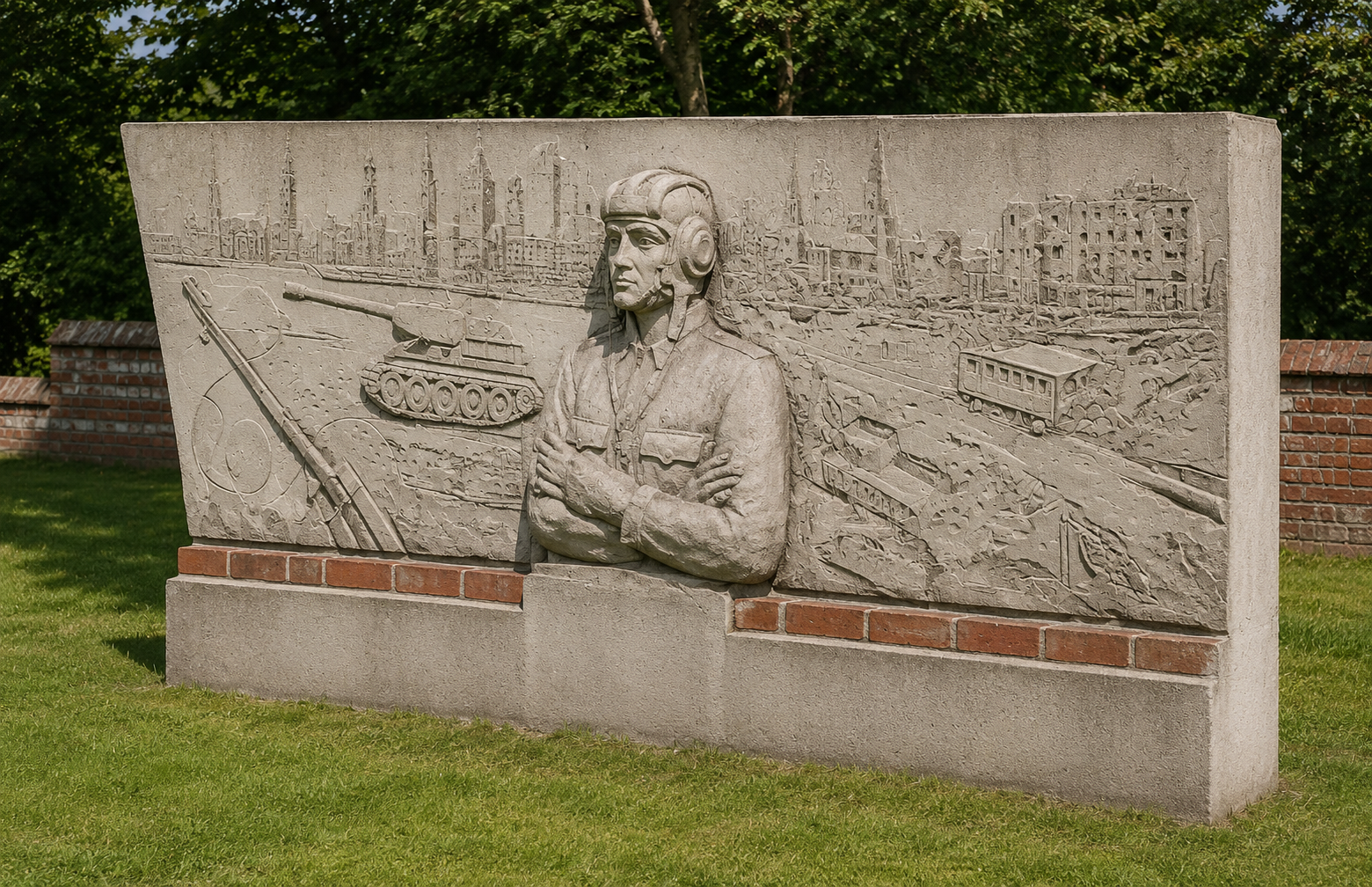
After the German surrender, the facilities were occupied by the Soviet Army, which used them until 1994.
Throughout the Cold War, Hillersleben was the headquarters of the 47th Panzer Division of the Group of Soviet Armed Forces in Germany, maintaining its strategic role as an intensive military training zone.






 EN
EN  ES
ES  FR
FR