Hofbräuhaus Brewery

Hofbräuhaus: the brewery that shaped Munich’s history
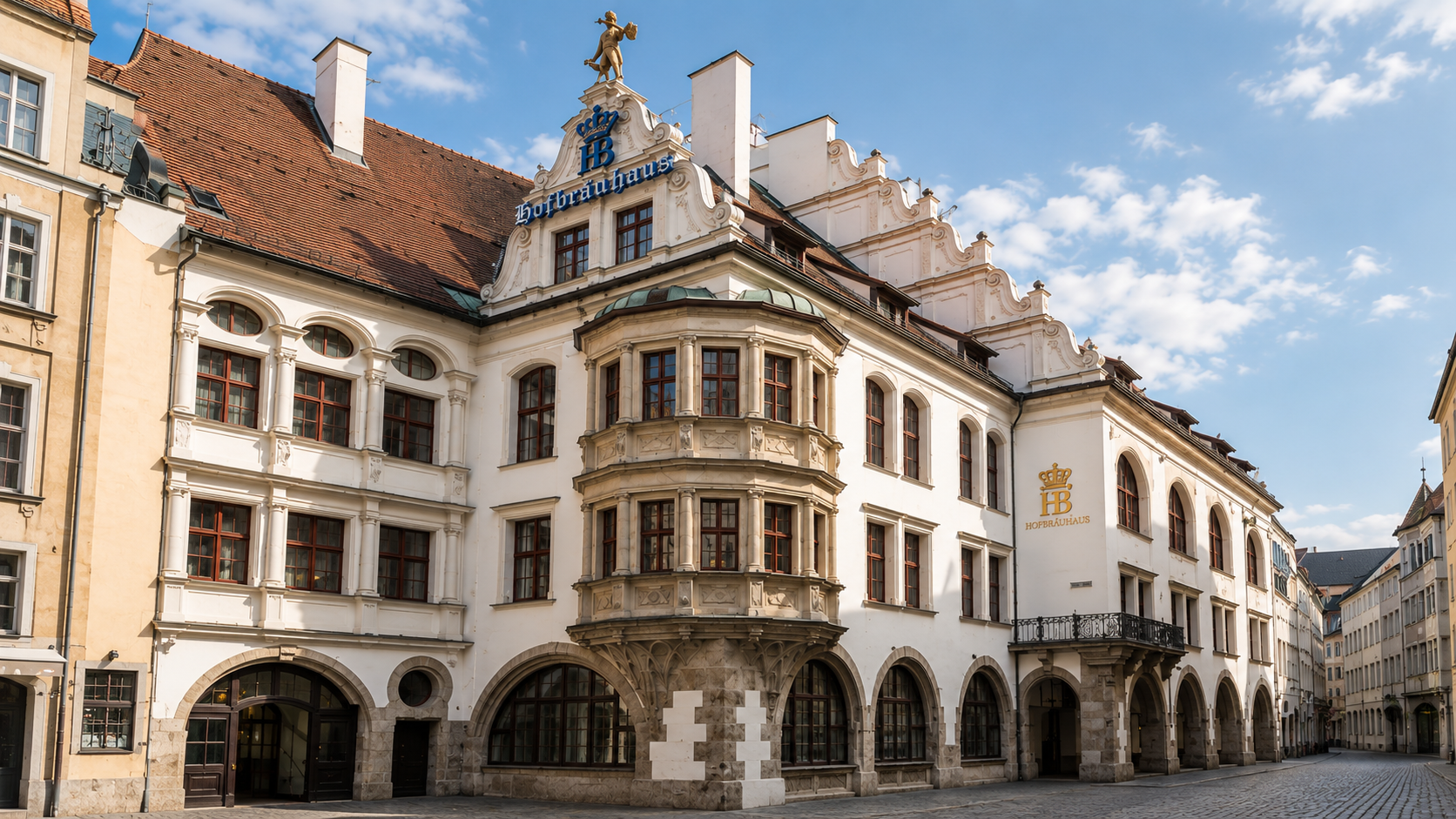
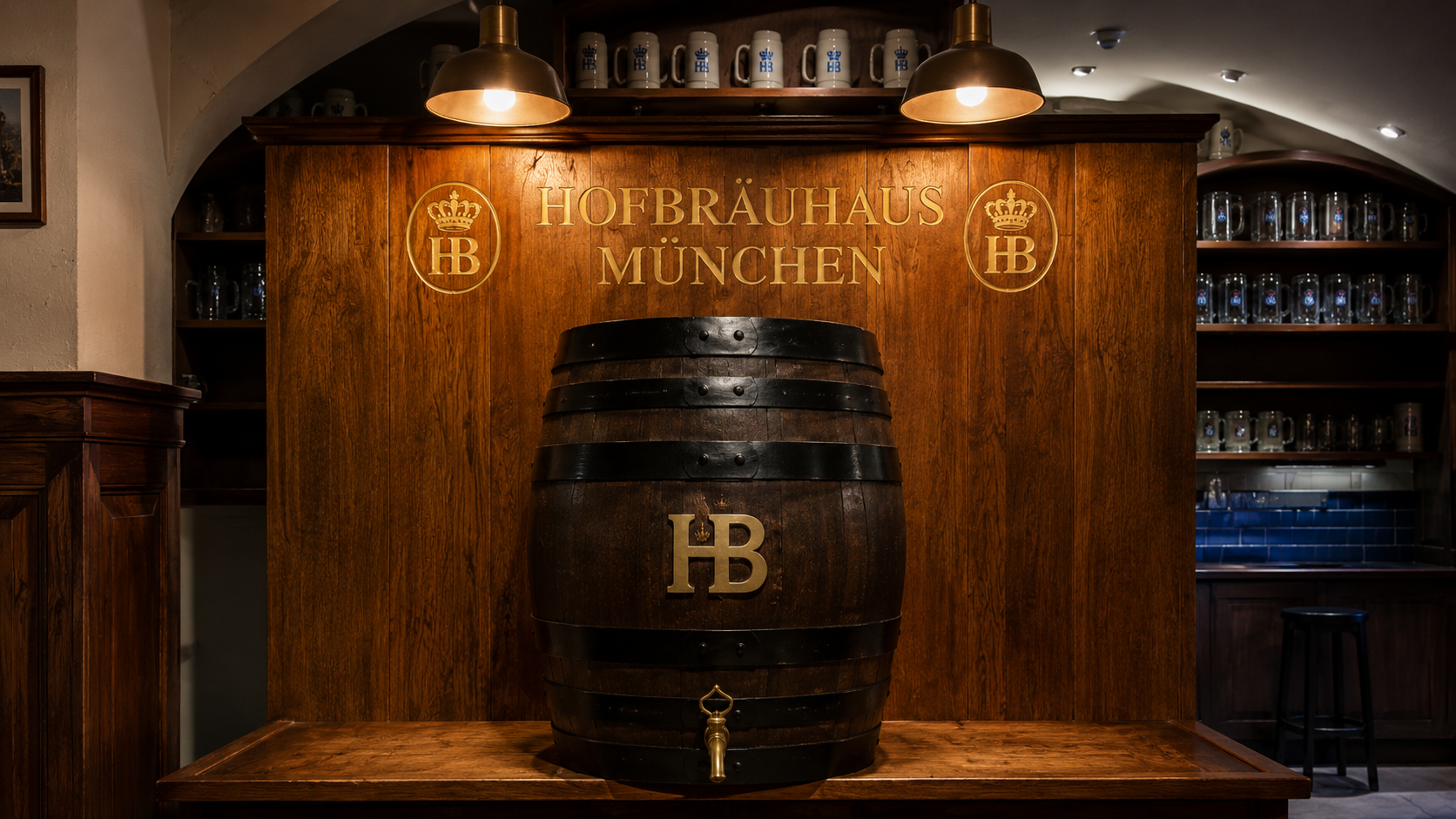
The Hofbräuhaus Brewery is one of Munich’s most emblematic landmarks. Founded in 1589 by Duke Wilhelm V of Bavaria, it was initially the official Weissbier supplier for the Wittelsbach family. It was not until 1828, by decree of King Ludwig I, that the general public was allowed entry. In 1896, the factory was moved to Haidhausen and, a year later, the new building designed by architect Max Littmann was inaugurated.
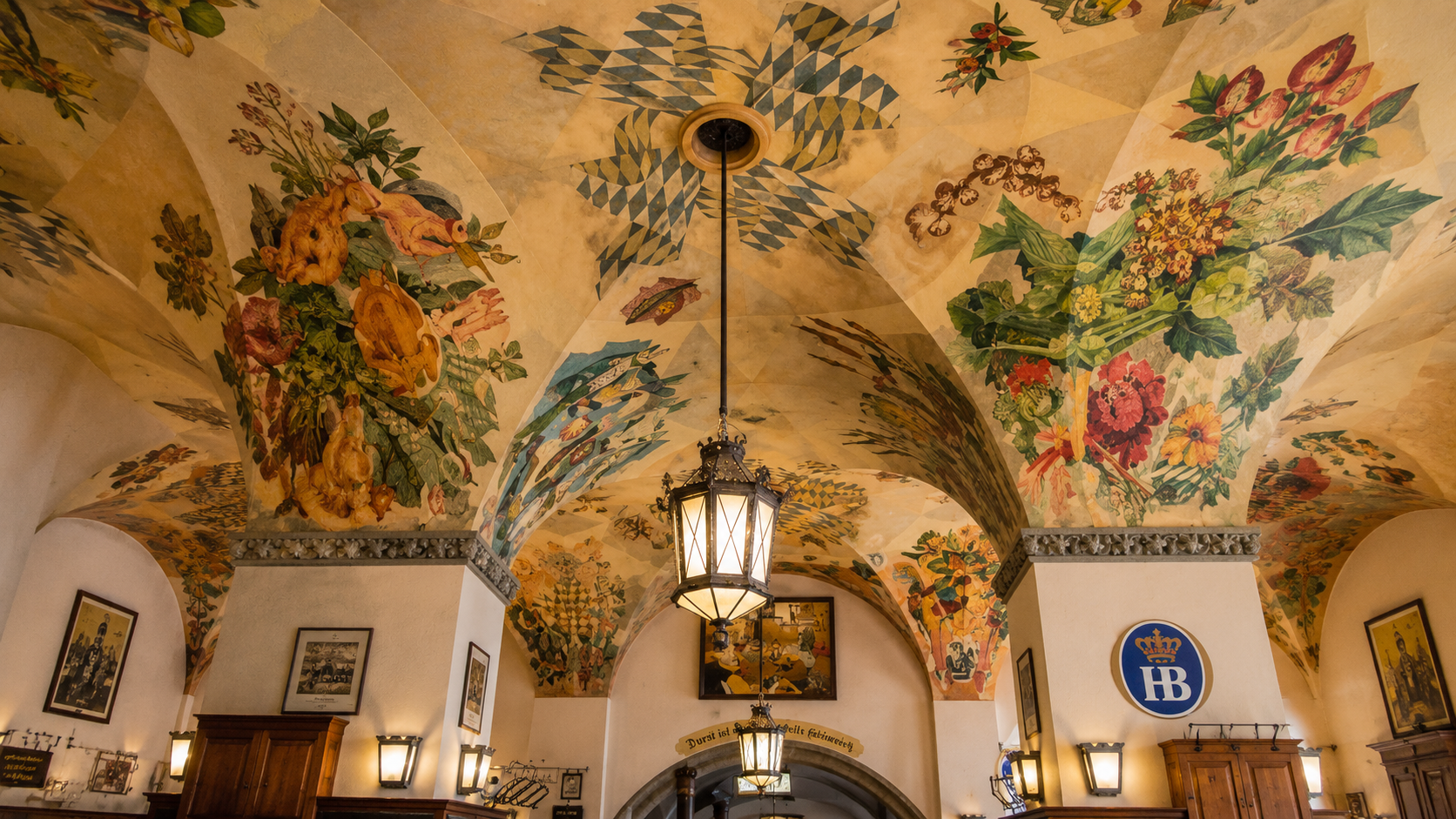
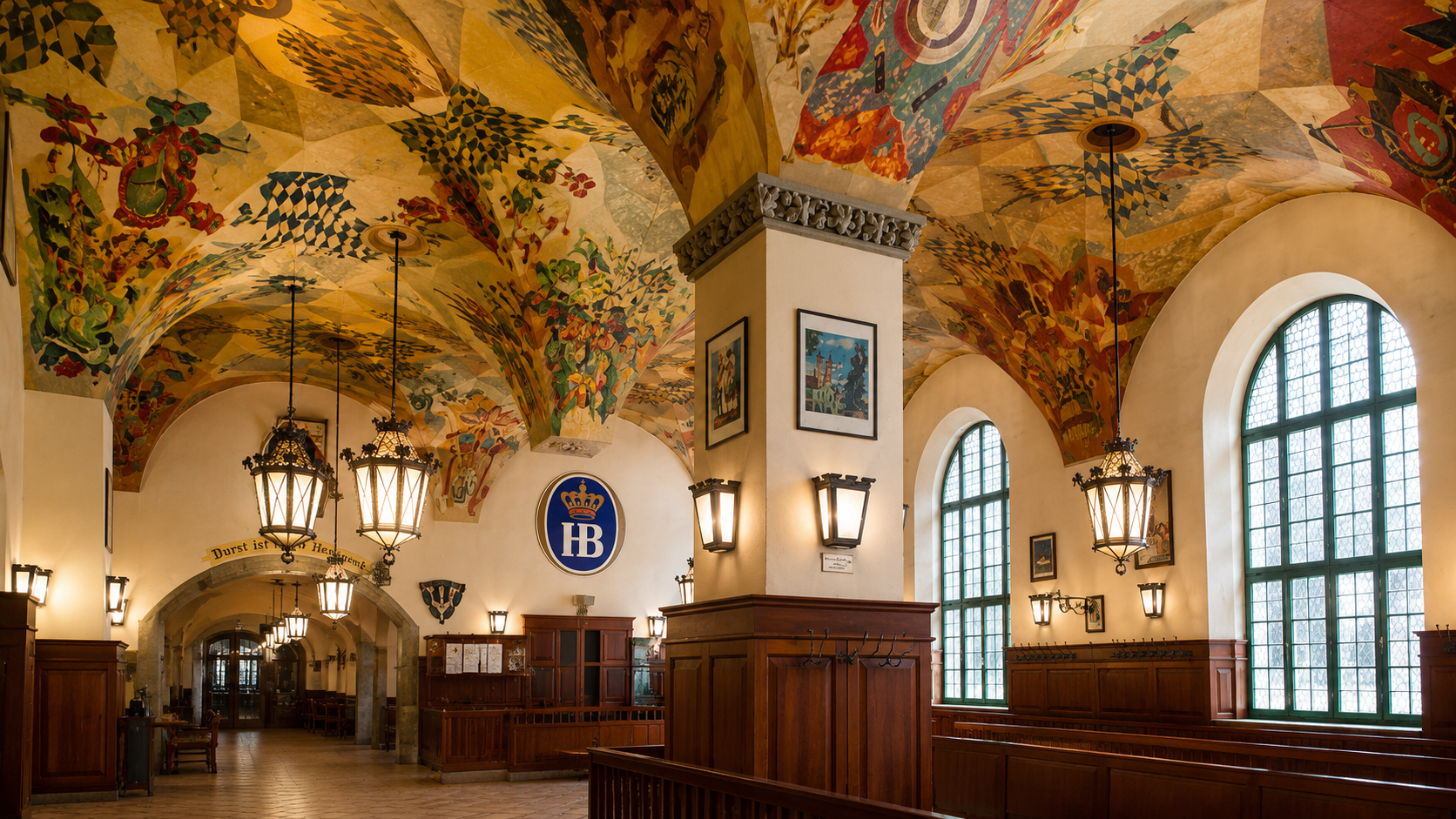
The main hall of the Hofbräuhaus can accommodate 1,500 people, and in the basement there is another hall for 1,000 diners. It also features a traditional Biergarten.
The Hofbräuhaus is not only synonymous with beer and tradition: in 1919 it was the site of the proclamation of the Bavarian Soviet Republic. Lenin was a frequent visitor. In February 1920, the German Workers’ Party (DAP), which would later become the Nazi Party, presented its 25-point program there. Hitler, in fact, gave his first speech in this place in 1918. During the bombings of 1945, the building was completely destroyed, but it was rebuilt in 1958 for Munich’s 800th anniversary.
In 1935, Berlin composer Wilhelm “Wiga” Gabriel created the song In München steht ein Hofbräuhaus, popularly known as the Hofbräuhaus-Lied. The melody quickly became an unofficial anthem of the establishment and one of the most representative songs of Bavarian beer culture. Its lyrics celebrate the festive atmosphere and camaraderie inside the brewery, exalting the local pride in this iconic Munich landmark.
Over time, the Hofbräuhaus-Lied transcended the walls of the brewery: today it is sung at festivals such as Oktoberfest and is recognized worldwide as a symbol of German beer tradition.

Hofbräuhaus Brewery
Chapter 3
…—For the Fourth Panzer Army! —shouted Erich enthusiastically, raising his beer mug high above his comrades’ heads and accidentally spilling a respectable amount of liquid onto them…
Did you know…?
When the Hofbräuhaus opened its doors to the public, many patrons began urinating under the tables so as not to interrupt their drinking. In response to this habit, gutters were installed on the floor to channel the urine out to the street.
However, the problem of splashing forced an improvement: the brewery provided wooden buckets that customers could use as personal urinals. Some even brought their own, so as not to share with others.

 EN
EN  ES
ES  FR
FR